
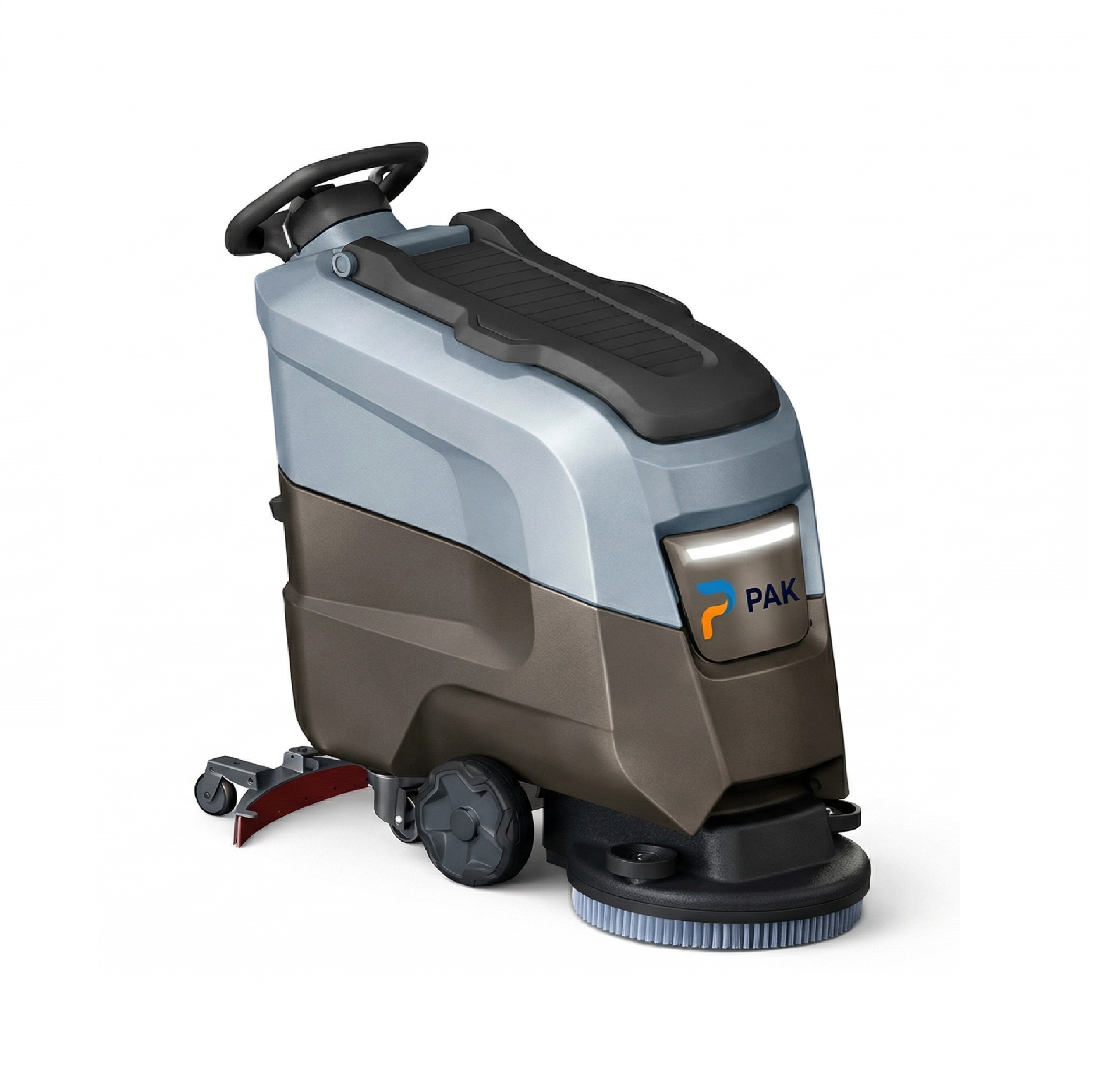
Factory floors encounter different dirt according to the production process, from fine dust and oil to swarf and tire marks. Concrete texture, epoxy coatings, drainage, equipment layout and shift traffic determine the right equipment. Selection should therefore not be based on total floor area alone.
Map the production area by dirt type
Raw-material receiving, production lines, maintenance areas, dispatch and employee routes carry different dirt loads. Record the main dirt, cleaning frequency and coating for each zone. An oily process area and a dry assembly area should not be cleaned with the same chemical and pad.
Collect loose waste before washing
Where swarf, metal offcuts, packaging scraps, sand or heavy dry dust are present, pre-sweeping or a suitable industrial vacuum is needed. This reduces large particles entering recovery hoses and the dirty-water system. Washing with controlled water and detergent application can then follow.
Choosing mains power, battery or ride-on
For long operation in a fixed section with a safe cable route, consider options such as the PAK 900 E mains-powered model. If a cable crosses production and forklift routes, battery floor cleaning machines may be more suitable. In wide, open, long halls, ride-on floor cleaning machines help increase practical cleaning capacity.
Choosing equipment for concrete and epoxy
Rough concrete may require stronger mechanical action, while abrasive equipment can damage coated or delicate surfaces. Check the surface manufacturer’s care instructions, detergent pH and pad/brush hardness together. Do not treat the whole area before testing a small, inconspicuous section.
Shift and safety plan
Schedule cleaning for the lowest forklift and pedestrian traffic. Operate cautiously near stacks that block the operator’s view, mark wet areas and keep emergency passages open. Discharge dirty water according to the facility’s waste-management procedure.
Capacity and total cost
The m²/h figure alone is insufficient. Turns around production lines, safety waits, water filling and a second pass over heavy dirt affect actual time. Assess pilot-area time together with labor, detergent, consumables, batteries and maintenance costs.
Make the cleaning standard measurable
Define an acceptable result before investing in equipment. Create an end-of-shift checklist for remaining loose dust, oily areas, tire marks, dirt along edges and surface moisture. Selection can then consider repeatability of the same quality standard as well as speed.
If one pass is insufficient in a trial, first check chemical dosage, contact time, brush or pad choice and travel speed instead of immediately selecting a larger machine. Increasing machine size may not solve a consumable or process problem. Comparing trial photographs and time records strengthens the purchasing decision.
Factory site checklist
- Net cleanable area and aisle dimensions
- Concrete, epoxy or other coating details
- Distribution of dust, oil, swarf and tire marks
- Forklift and staff shift schedules
- Sockets, charging, water and wastewater points
- Ramps, thresholds and drainage channels
Compare models on the floor cleaning machines page. For the full technical selection process, see how to choose the best floor cleaning machine.
Frequently asked questions
Which brush should be used on concrete?
It depends on the concrete’s texture, coating and dirt. Select a brush or pad by testing a small area.
Can an oily factory floor be cleaned in one pass?
A second pass may be needed depending on dirt load, chemical contact time and mechanical action. A fixed result should not be guaranteed.
Can cleaning take place while production continues?
Yes, if the risk assessment, pedestrian/forklift separation and facility procedures permit it. A safe route always takes priority.
Continue reading
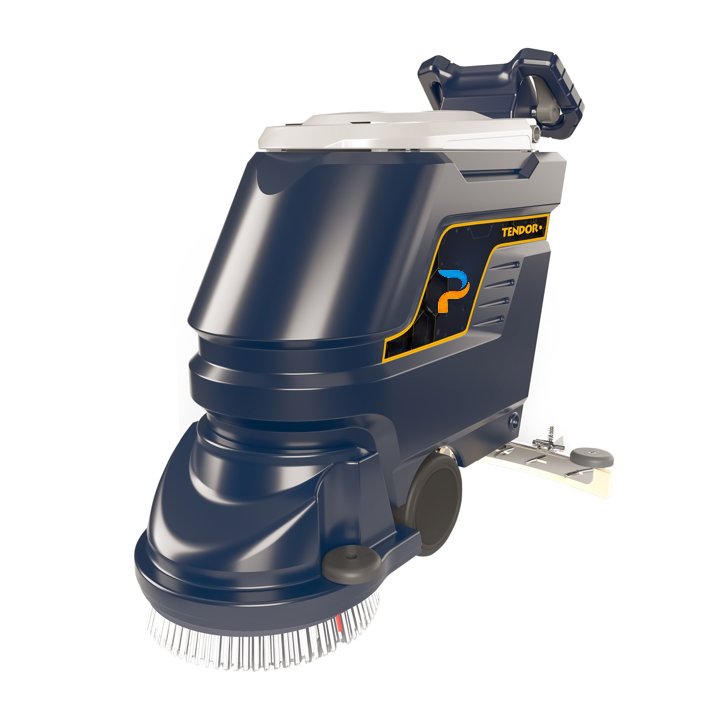
How to Choose a Floor Scrubber: Walk-Behind or Ride-On
Compare walk-behind and ride-on floor scrubbers by usable area, floor type, power supply, access width, tanks and real cleaning time.
Read article
Floor Scrubber Types: Corded, Battery and Ride-On
Compare mains-powered, battery-powered and ride-on floor scrubber dryers with floor scrubbing equipment. Review the model and tank details before purchase.
Read article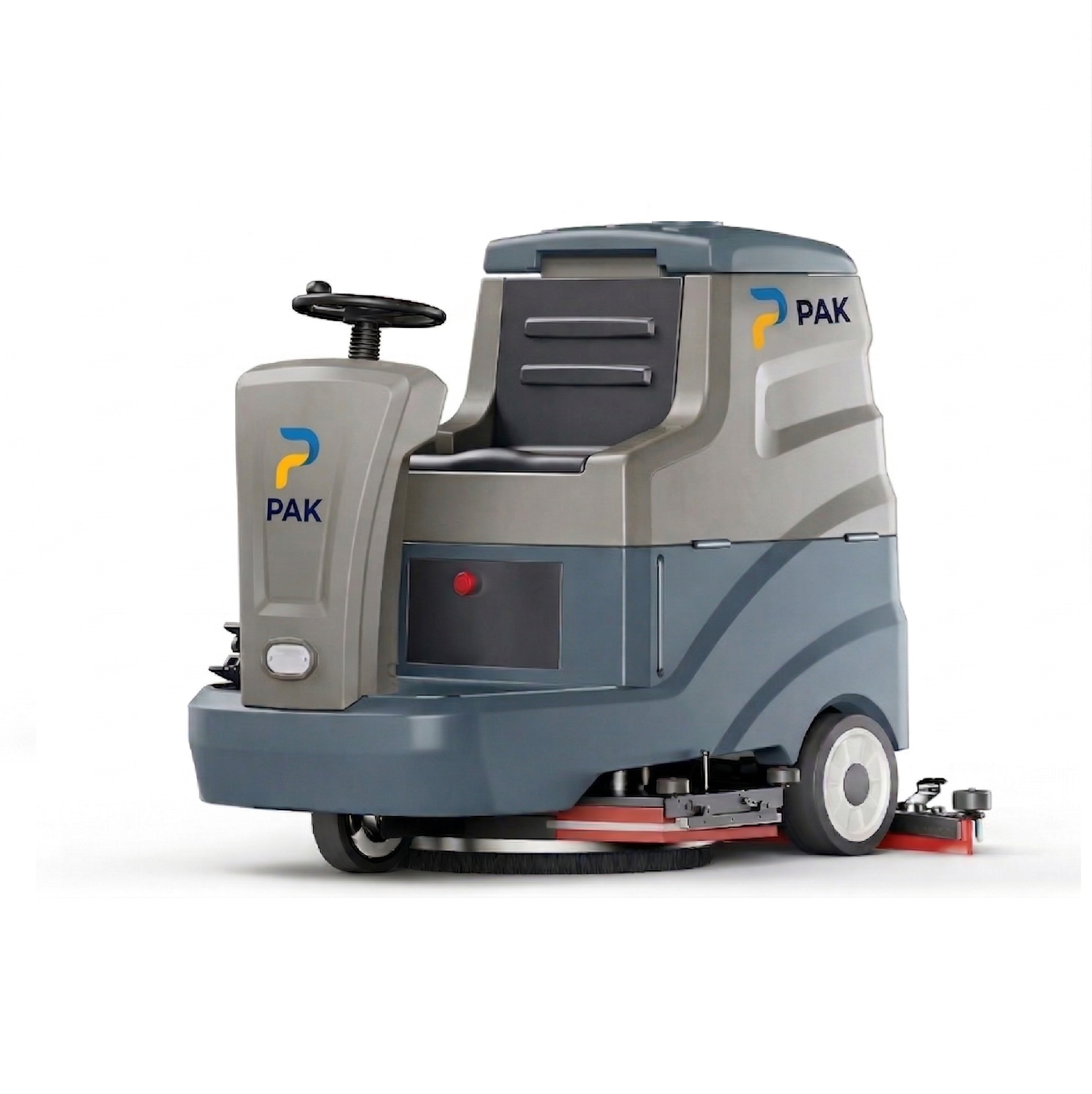
Choosing a Machine for Parking Garage Floor Cleaning
Assess parking aisles, ramps, vehicle traffic, oil, tire marks and practical capacity before choosing a floor cleaning machine.
Read article