
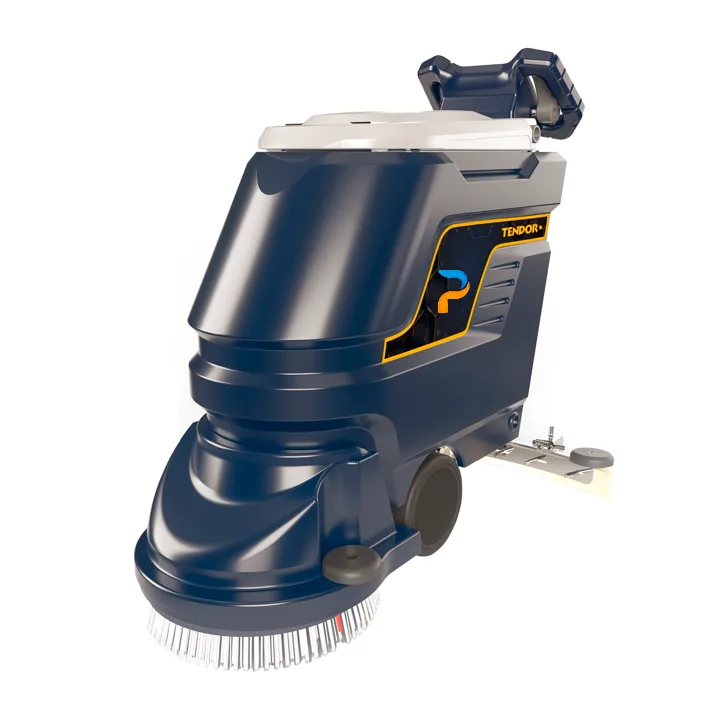
The best floor cleaning machine is the one that can cover your usable floor area and daily cleaning route without unnecessary delays. The largest or most expensive model in the catalogue is not necessarily the right choice. This guide helps you compare mains-powered, battery-powered and ride-on floor scrubber dryers using the same criteria. Browse the floor cleaning machines category for current products and prices.
Contents- Usable area and route planning
- Mains-powered, battery-powered or ride-on
- Floor material and dirt type
- Real cleaning productivity
- Price and total cost of ownership
- Before requesting a quote
1. Measure the usable cleaning area, not just the total floor area
The floor area stated in a property document or building plan is not necessarily the area the machine will clean. Exclude shelving, production lines, machinery, checkout areas, columns, fixed furniture and inaccessible rooms. Whether the remaining usable area is continuous or divided into many small sections also affects selection. Of two facilities with the same floor area, one with long, open aisles may suit a ride-on machine, while a heavily divided layout may be cleaned more efficiently with a compact walk-behind model.
Measure the narrowest doorways and aisles, turning points, ramps and thresholds. If the machine will travel in a lift, include the lift-car dimensions and load capacity. If it requires charging, plan a parking and charging area. These details help prevent decisions based solely on theoretical productivity.
2. Compare mains-powered, battery-powered and ride-on machines for the intended task
| Option | Where it works well | What to check |
|---|---|---|
| Mains-powered floor scrubber dryer | Easy access to sockets, scheduled cleaning and operation without waiting for battery charging | Cable route, pedestrian and vehicle traffic, socket positions |
| Battery-powered floor scrubber dryer | Cord-free movement, multiple sections and busy circulation areas | Operating and charging cycle, battery care, parking area |
| Ride-on floor scrubber dryer | Long, wide, regular routes where operator walking time becomes significant | Doorways, aisles, turns, ramps and transport dimensions |
Mains-powered models avoid battery charging delays but require cable management. Battery-powered models remove the cable but need an operating and charging plan. Ride-on models can improve operator comfort and productivity in large areas, but may be unnecessarily large for narrow or divided spaces.
3. Identify the floor material and the dirt separately
“Concrete floor” is not a complete specification: it may be smooth or rough, coated or uncoated. Epoxy floors may have oil or tyre marks, ceramic floors may have dirty grout, PVC may carry a maintenance coating, and natural stone may be chemically sensitive. Select brush or pad hardness and cleaning detergent from both the floor material and the type of dirt.
Loose packaging, wood shavings, sand or substantial dry dust may need sweeping or vacuuming before scrubbing. Large debris entering the recovery system can increase blockages and maintenance. Check detergent compatibility with the flooring manufacturer's instructions, and test any new combination on a small, inconspicuous area first.
4. Translate catalogue productivity into real cleaning time
Theoretical productivity is generally based on working width multiplied by travel speed. Actual results are lower because of turns, edge work, obstacles, filling clean water, emptying recovery water and the operator's route. Read an m²/h figure as a technical basis for comparing models, rather than a guaranteed area cleaned under every condition.
For a practical test, select a representative section of a known size and measure the total time, including preparation, scrubbing, turns, tank handling and cleaning the machine afterwards. Repeating the route with different settings provides a more reliable estimate of productivity during a real shift.
5. Consider tank capacity and working width together
A wider brush can cover more area, but loses that advantage if it cannot pass through doors or between racks. A larger tank can reduce refill stops while increasing size, weight and turning-space requirements. Assess the clean-water tank, recovery tank, scrubbing width and squeegee width as one set of selection criteria.
Compare the models relevant to this guide. Prices come from the current product catalogue; open a product page for technical specifications. Current models and prices
6. Floor cleaning machine prices and total ownership cost
The purchase price varies with the power system, tank volume, working width, motors and controls, battery and charger, body construction, accessories and service package. Do not base the decision only on the initial price. Brushes or pads, squeegee blades, detergent, battery replacement, maintenance downtime and spare-parts access are all part of the total cost of ownership.
Labour calculations should use a real site trial. A fixed claim that a machine replaces a particular number of workers cannot apply to every facility: routes, dirt levels and cleaning standards differ. Compare the total time of the current method with the new machine's trial time to make a more reliable return-on-investment estimate.
7. Prepare these details before requesting a quote
- Total floor area and usable cleaning area
- Floor covering and predominant dirt type
- Narrowest doorway or aisle, and ramp dimensions where relevant
- Daily or weekly cleaning frequency and shift duration
- Electrical sockets, charging, water-filling and wastewater-disposal points
- Times of heavy pedestrian, forklift or vehicle traffic
- Current cleaning method and its main limitations
These details help the PAK Makina team shortlist mains-powered, battery-powered or ride-on options more accurately. Visit the floor cleaning machines category to compare models and current prices.
Quick selection matrix: which machine type suits your site?
Choosing only by total floor area is often misleading. Two equally sized sites may differ completely in aisle length, doorway width and the number of obstacles. Use this matrix to form an initial shortlist, then verify the final choice with site measurements and a cleaning trial.
| Site conditions | First option to consider | Verify before deciding |
|---|---|---|
| Easy socket access, controlled cleaning hours and a fixed route | Mains-powered, corded | Cable route, socket loading, pedestrian and vehicle crossings |
| Ongoing pedestrian traffic, multiple sections or a cable creating risk | Battery-powered | Shift duration, charging area, battery requirements and narrow passages |
| Long, wide, regular aisles where walking accounts for a substantial part of the task | Ride-on | Doors, turns, ramps, lifts and parking space |
| A large area frequently interrupted by racks, columns, tables or machinery | Compact walk-behind | Narrowest point, number of turns and edge-cleaning requirements |
Verify the recommendation with a 20–30 minute trial
Select a representative section and measure the total time, including preparation, filling, scrubbing, turns, recovery-tank emptying and final machine cleaning. Record residual moisture, edge access, squeegee marks, difficulty turning and whether the tank capacity suits the route. A site trial makes it easier to translate catalogue productivity into real shift time.
When requesting a quote, provide the usable area, floor photographs, narrowest passage and daily operating time. Compare current models and commercial terms on the floor cleaning machines and prices page.
Frequently asked questions about floor cleaning machine selection
Which floor cleaning machine is best?
No single model is best for every business. The most suitable model matches usable area, access dimensions, floor and dirt type, daily operating time and power infrastructure.
Is battery-powered or mains-powered better?
A mains-powered machine may suit scheduled areas where cable use is safe and straightforward. A battery-powered option may be preferable where the cable interferes with the route or safe access.
How large should an area be before buying a ride-on machine?
There is no universally correct area threshold. Assess the proportion of open aisles, number of turns, shift duration and access dimensions together.
Can the same pad be used on every hard floor?
No. Choose the pad or brush according to the surface material and dirt type. Incorrect hardness may dull the surface or fail to clean adequately.
Which consumables should I include when comparing prices?
Include brushes or pads, squeegee blades, detergent, batteries, chargers, routine maintenance and access to service in the total-cost calculation.
MODELS AND PRICES
Current models and prices
Compare features and current prices to choose the right machine for your work.
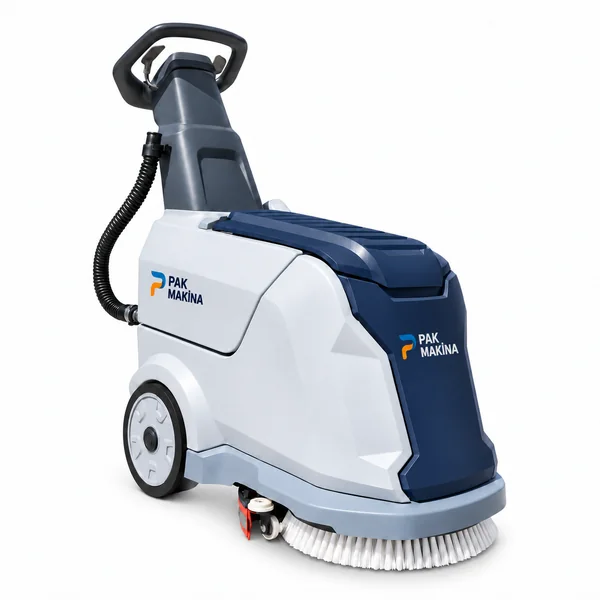
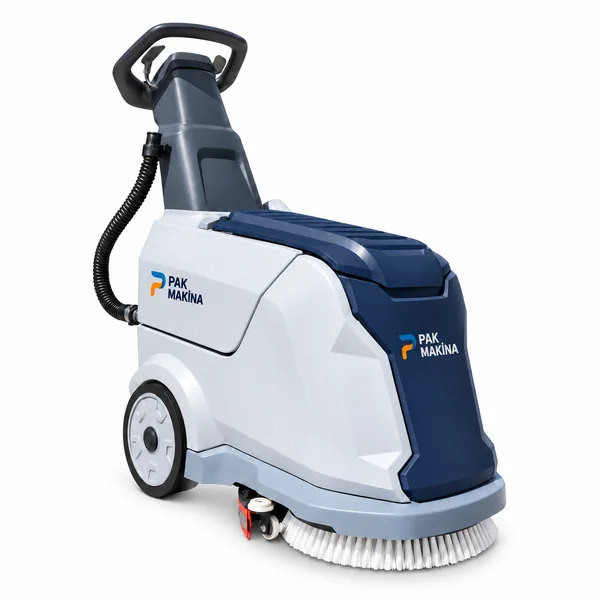
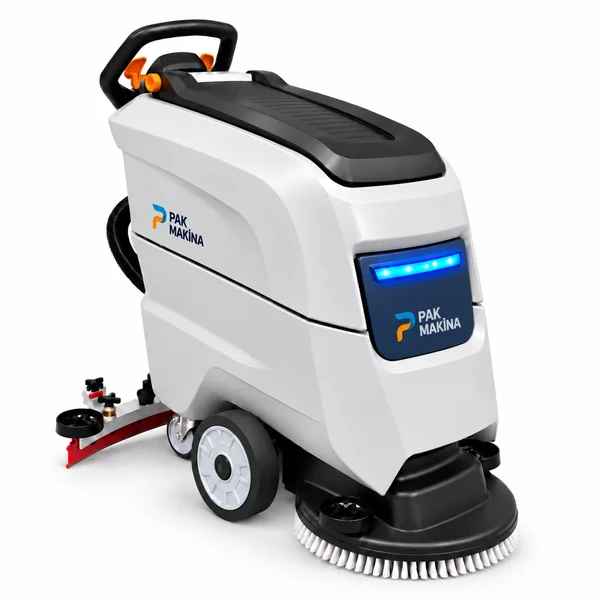
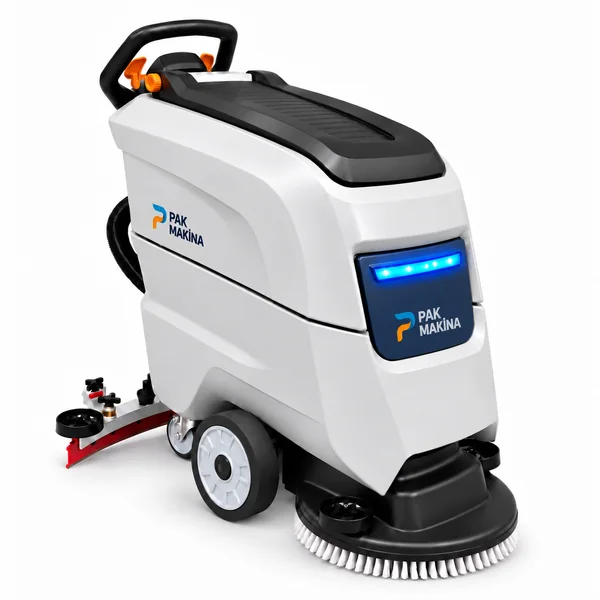
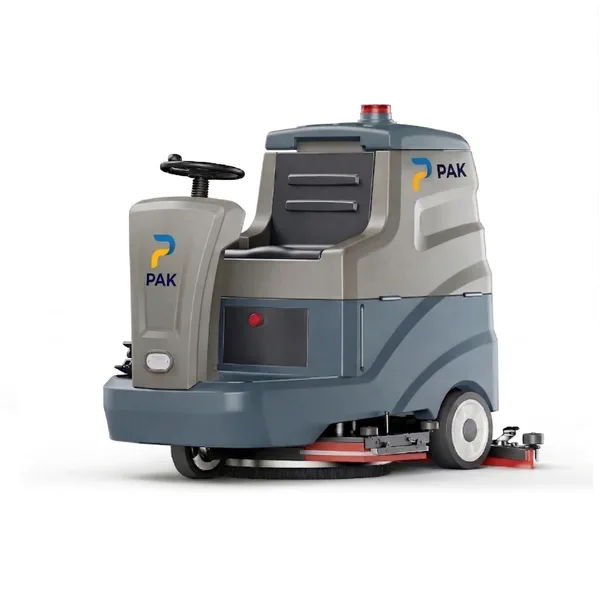
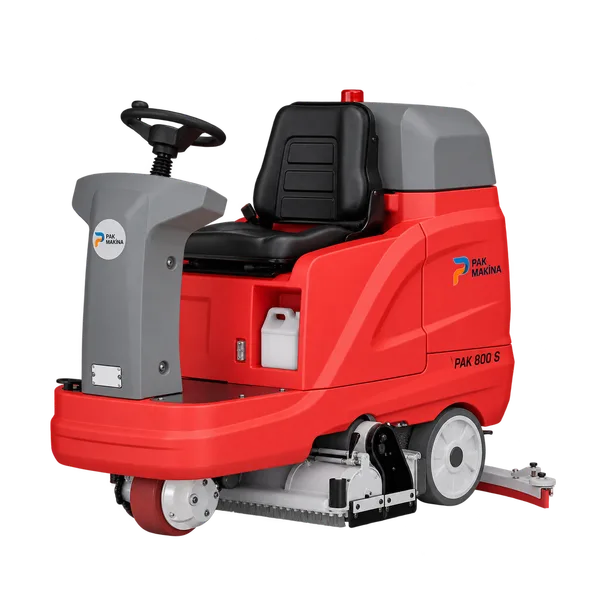
Which model suits your work?Tell us where you will use the machine and how much work it needs to handle each day; we will help you assess the options.
Request a quote for my businessSelection and operating guides
Continue reading
Battery Floor Scrubber Charging and Shift Planning
Plan battery floor scrubber shifts using real cleaning time, transport, tank stops and approved charging instructions. Includes an illustrative shift log.
Read articleFloor Scrubber Not Picking Up Water: 7 Operator Checks
Troubleshoot a floor scrubber leaving water trails. Check the squeegee, recovery hose, tank lid and foam, then record useful details for technical support.
Read article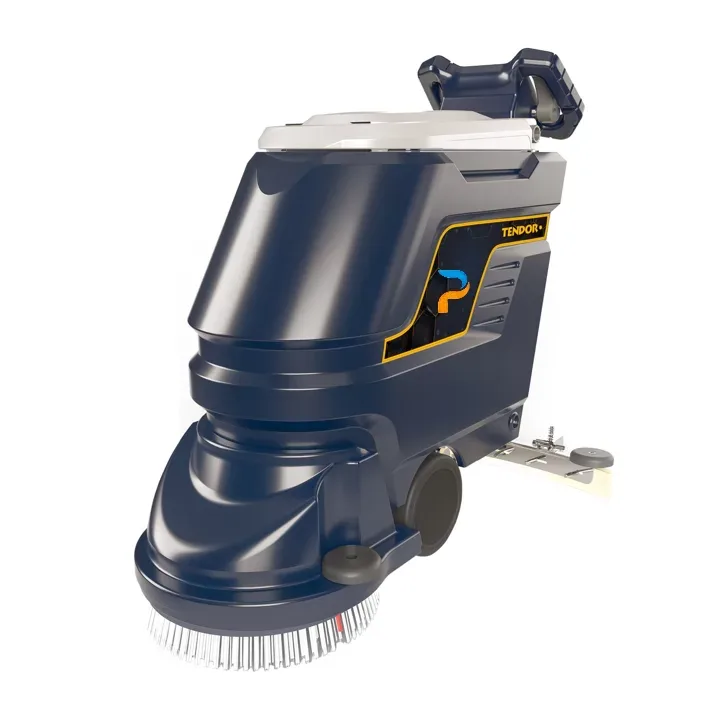
Floor Scrubber Types: Corded, Battery and Ride-On
Compare mains-powered, battery-powered and ride-on floor scrubber dryers with floor scrubbing equipment. Review the model and tank details before purchase.
Read article