
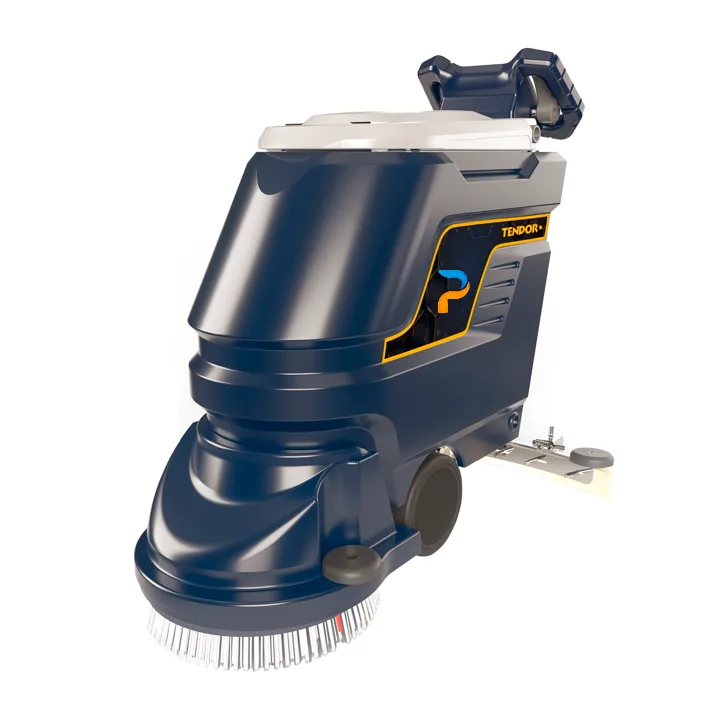
A battery floor scrubber needs a practical shift plan, not just a runtime figure copied from a brochure. Repeat passes, movement between floors, filling and emptying tanks all affect the time required to finish a route. Combine measured operating records with the instructions supplied for the machine, battery and charger. Do not assume a universal charging interval or maintenance routine.
Measure the actual workload
Divide the route into sections and record active scrubbing, transport and waiting separately. Note the floor, dirt level, cleaning programme and permitted brush settings. Compare similar shifts before deciding that the machine needs a larger battery. An awkward route or distant water point may be the main constraint.
Match the charging routine to the equipment
Confirm the battery type and approved charger from the supplied documents. Do not connect an improvised charger or change battery profiles through trial and error. Lead-acid and lithium systems cannot be assumed to follow the same rules. Use the specified connection sequence, ventilation arrangements and charging routine.
Provide an accessible parking and charging location. Keep cables out of pedestrian and vehicle routes, and verify that the location and electrical supply meet the documented requirements. Stop and report damaged connections, cables or unusual heating. Electrical repairs and work inside the battery installation are outside routine operator cleaning.
Separate tank stops from charging
Plan solution filling, recovery-tank emptying and end-of-use cleaning as individual tasks. A convenient water and disposal point may reduce unnecessary travel without changing the machine. For route dimensions and access checks, use the floor scrubber selection guide.
An illustrative shift log
These figures illustrate record keeping only. They are not runtime or charging specifications for any PAK model.
| Task | Example measurement | What it shows |
|---|---|---|
| Active scrubbing | 90 minutes | Cleaning time |
| Travel between sections | 15 minutes | Route and access demands |
| Filling and emptying | 20 minutes | Effect of water-point locations |
| End-of-use operator care | 15 minutes | Shift closing tasks |
The total workflow is 140 minutes; that does not mean the battery powers active cleaning for 140 minutes. Add the start/end battery indication, any warnings and whether the instructed charge cycle was completed. Avoid comparing indicators from different machines as though they represented identical measurements.
If operating time becomes shorter
Compare the same route under similar dirt, programme and maintenance conditions first. Change one relevant factor at a time so that the result remains understandable. If the problem persists, send the model, serial number and operating log to technical support rather than replacing the battery without diagnosis.
When reviewing equipment, compare battery scrubber dryers, the PAK 380 B and PAK 500 B against your measured shift. For holidays or extended storage, follow the battery documentation rather than applying a routine borrowed from another chemistry.
General operator reference: Nilfisk SC650 instructions for use. This is not a PAK operating manual; the documents supplied with your machine and battery govern model-specific requirements.
Continue reading
Floor Scrubber Not Picking Up Water: 7 Operator Checks
Troubleshoot a floor scrubber leaving water trails. Check the squeegee, recovery hose, tank lid and foam, then record useful details for technical support.
Read articleHow to Choose a Floor Scrubber: Walk-Behind or Ride-On
Compare walk-behind and ride-on floor scrubbers by usable area, floor type, power supply, access width, tanks and real cleaning time.
Read article
Floor Scrubber Types: Corded, Battery and Ride-On
Compare mains-powered, battery-powered and ride-on floor scrubber dryers with floor scrubbing equipment. Review the model and tank details before purchase.
Read article