
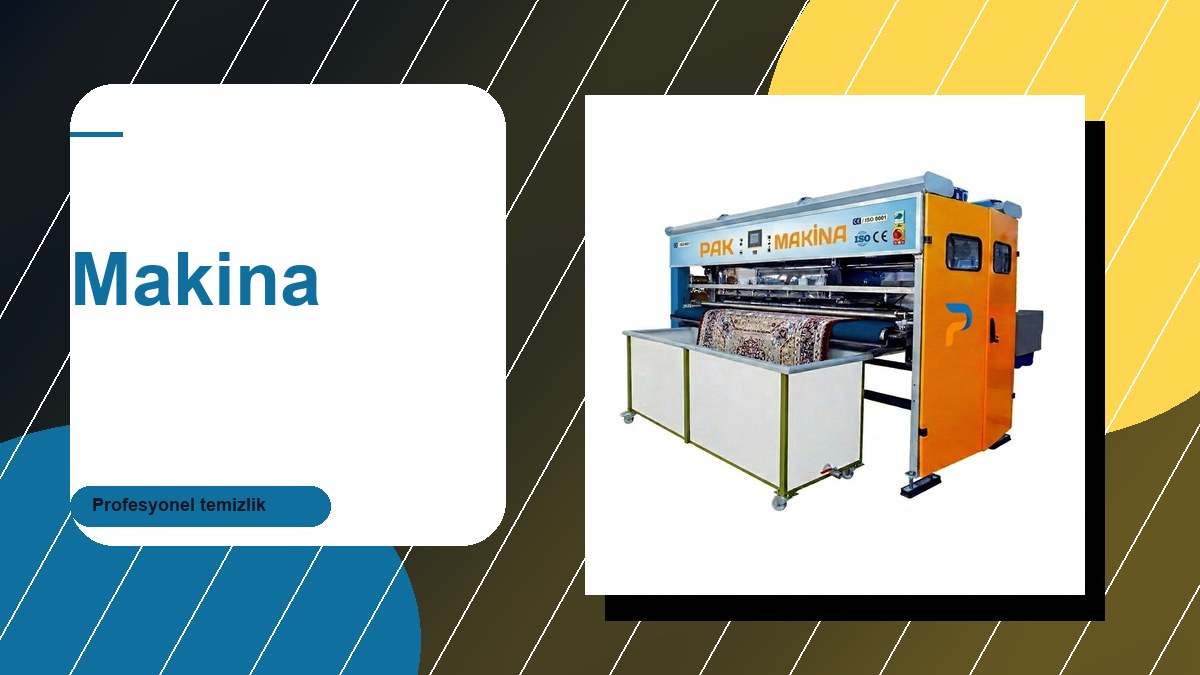
A carpet washer’s belt width affects which carpet sizes can be fed correctly and how the machine fits in the plant. When choosing the 250, 330 or 450 cm class, look first at the distribution of incoming carpet widths, before daily carpet quantity. A wider machine alone does not mean higher daily production: washing, spinning and drying must be planned together.
This guide focuses on dimensions. For general model comparison and current quotation scope, see automatic carpet washing machine prices and models.
1. Build a carpet-size list from recent orders
Do not select a machine only for the single most common carpet size. If already operating, list recently accepted carpets; for a new business, list the carpet types expected from target customers. Record width, length, quantity, carpet type and special treatment separately. Discuss feeding carpets widthwise or lengthwise with the manufacturer.
- Regular work: which dimensions account for most daily loads?
- Wide carpets: how often do large sizes arrive, and is accepting them part of your business model?
- Special carpets: what process will be used for delicate, thick or differently backed carpets?
- Growth: will new customer groups change the size distribution?
“The largest carpet must fit” and “most carpets fit” are both incomplete approaches on their own. Compare a separate process for occasional wide carpets with investment in a wider line.
2. How should the 250, 330 and 450 cm classes be compared?
| Model group | Assessment | Verify before ordering |
|---|---|---|
| 250 cm class | Calculate how much of your carpet-size list this class covers. | Clear passage width, feed orientation and the method for wider carpets. |
| 330 cm class | Compare this group if regular work falls outside the 250 class. | Overall machine dimensions and site passages as well as working width. |
| 450 cm class | If wide carpets are a significant part of the business, assess this class with layout and the complete line. | Entry and exit space, compatibility of later stages and installation plan. |
Start product comparisons with PAK 250 PRO, PAK 330 PRO and PAK 450 PRO. Do not assume the width class in a model name is the clear usable working dimension in all circumstances. Request a dimensioned drawing and a compatibility check with an actual carpet before ordering.
3. Treat belt width and brush count as separate decisions
Width concerns whether the carpet can be processed in the machine. Brush arrangement, pressure adjustment, travel speed, water application and rinsing affect the washing process. Two machines of the same width class may differ in equipment and operating settings.
Do not choose only by asking how many brushes there are. During a trial with your own carpets, observe edge treatment, rinsing results and operator settings. Assess delicate carpets separately; do not assume one setting suits every carpet.
4. Plan the working area, not just the machine footprint
Putting the machine body on a layout drawing is insufficient. Allow space for opening and feeding carpets, collecting them at the exit, operator movement, maintenance access and transport routes. Measure narrow passages between the entrance door and installation point before purchase.
Add water, drain and electrical connection positions to the layout with the technical team. Use the manufacturer’s installation drawing for maintenance clearances instead of estimating them. For planning the complete plant, consult the carpet-cleaning plant equipment selection guide.
5. Match width selection with spinning and drying
Carpets accepted for washing must also pass through later stages. Assess carpet centrifuge selection together with carpet dimensions and an appropriate loading method. Batch load, hanging arrangement and residual water determine drying requirements. Buying a wider washer without changing the drying plan can increase waiting carpets on busy days.
Do not use forward speed alone to estimate daily capacity. Include feeding, gaps between carpets, reprocessing, cleaning and waiting within the shift. For drying, see the carpet drying and dehumidification guide.
Six details to send the manufacturer before purchase
- A sample carpet-size list with widths and lengths.
- Average daily workload and peak-period volume.
- Carpet types and jobs requiring special treatment.
- A dimensioned plant plan showing doors, passages and working areas.
- Existing spinning, drying and packing arrangements.
- Carpets for the trial and the expected processing result.
Frequently asked questions
Is a 450 cm machine more suitable for every business?
Suitability depends on accepted carpet sizes, space and line layout. Where wide-carpet demand is limited, the larger class’s space requirements need separate consideration.
Is folding a carpet on a narrow belt a solution?
Treatment may become uneven on folded surfaces. Do not assume this is a standard solution; ask the manufacturer for an appropriate method based on carpet construction and machine instructions.
Which dimensions should be explicit in a quotation?
Clarify usable working width, overall dimensions, connection positions and required service space. A model name alone does not replace a layout drawing.
Let us identify a machine that fits your dimensions
Share your carpet-size list and plant plan to request a model and layout proposal from PAK Makina. Explore all options in the automatic carpet washing machines category.
Continue reading
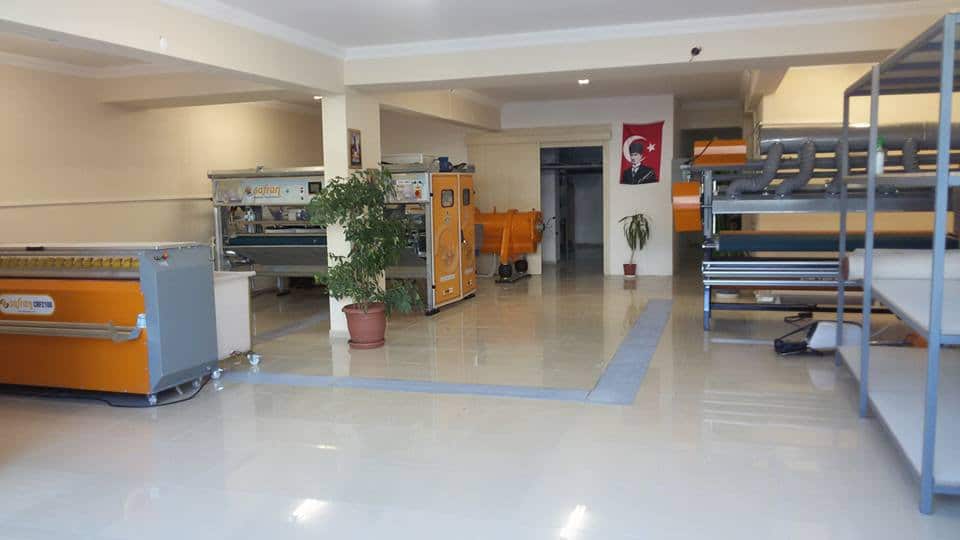
Automatic vs Manual Carpet Washing Machines
Compare automatic and manual carpet washing machines by capacity, control, labour, budget and support to choose a suitable system for your business.
Read article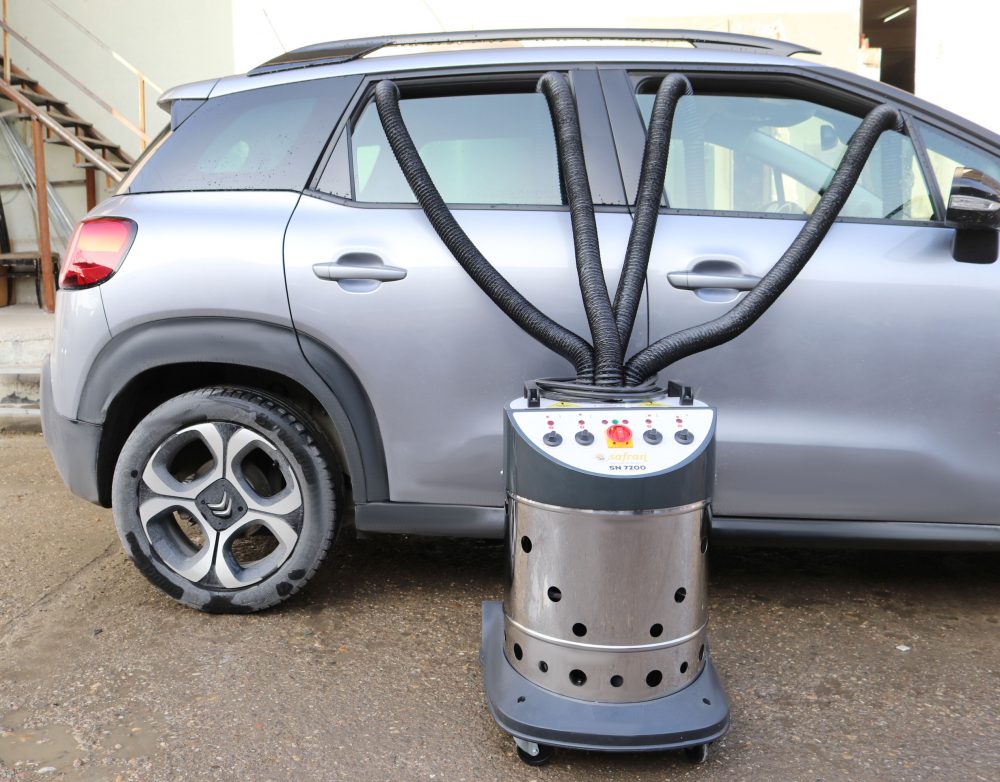
Car Wash Sets and Car Care Kits: Equipment and Price Factors
Explore car wash sets, pressure washers, automotive vacuums, polishers and care products. Check package contents and compare like-for-like prices.
Read articleCar Wash Supplies: Machines, Tools and Care Products
Explore car wash supplies, upholstery extractors, industrial vacuums, pressure washers and care products, with selection and application guidance.
Read article