
How to Start a Carpet Washing Business: Equipment and Workflow
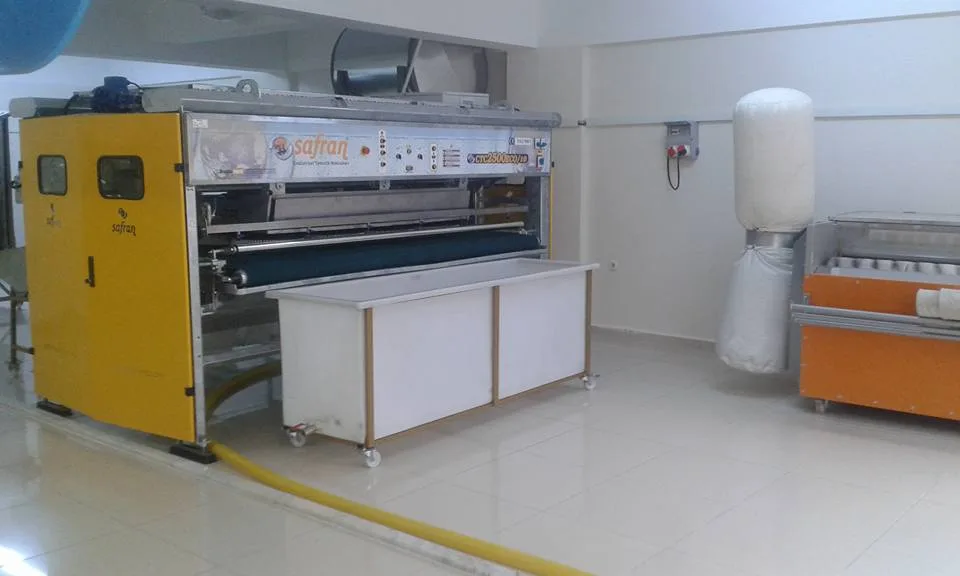
Starting a carpet washing business involves more than buying a washing machine. A well-run operation needs premises with separate dirty and clean zones, correctly sized equipment, organised collection routes, quality control and clear customer communication.
This guide sets out the decisions to make when planning a new plant. Rather than offering a single figure to memorise, it provides a calculation framework you can adapt to your city and intended capacity.
Start with capacity planning, rather than a machine
First decide how many square metres of carpet you intend to process per day and per week. Then account for the collection area, vehicle capacity, staffing and promised turnaround time. Even if the washing machine is fast, a slower spinning, drying or packing stage will hold up the entire plant.
Prepare three operating scenarios at the planning stage:
- Low season: The minimum workload needed to cover fixed costs.
- Normal season: A steady workload that your team and equipment can handle comfortably.
- Peak season: The limits imposed by overtime, collection routes and drying space.
These scenarios help prevent excessive initial investment or a capacity shortage when demand first rises.
Choosing premises for a carpet washing plant
The layout matters as much as the floor area. The dirty-carpet reception zone should be separate from the areas used to dry and pack washed carpets. Assess drainage, electrical infrastructure, ventilation, vehicle access and noise effects on neighbouring businesses before signing a lease.
- Dirty-carpet reception and labelling area
- Pre-washing dust removal area
- Washing and rinsing line
- Spin extraction and drainage area
- Controlled drying room or drying area
- Final inspection, pile grooming and packing area
- Safe storage for chemicals and spare parts
Business licensing, wastewater, electrical and other requirements vary by location. Confirm current local requirements with the municipality, relevant authorities and your accountant.
What equipment does a carpet washing plant need?
1. Carpet dust removal machine
Removing dry dust and particles before washing reduces mud formation and makes the washing stage easier. This step is particularly important for quality and water management in dusty areas.
2. Automatic or manual washing system
Automatic machines provide a repeatable process and high daily throughput. Manual systems can suit smaller budgets or specialist tasks. Choose according to conveyor width, brush configuration, target square metres and staffing. Compare options in the automatic carpet washing machine guide.
3. Carpet centrifuge
A carpet centrifuge, or spin dryer, removes a large proportion of water after washing. Appropriate drum length, balanced loading, safety systems and drainage directly affect subsequent drying time. See the carpet centrifuges category for details.
4. Drying system
Plan the drying room together with its dehumidifier, air circulation and hanging arrangement. Do not select equipment solely by its price without establishing room volume and the carpet load per batch. The carpet drying guide explains capacity planning.
5. Pile grooming and packing
Final inspection of the dry carpet, removal of loose surface fibres, any agreed fragrancing and neat packing complete the customer experience. Including the customer's name, dimensions, quantity and delivery details on the package reduces mix-ups.
If you want to assess equipment as a package, explore the turnkey carpet washing plant sets. Check that each machine's capacity is compatible with the same workflow.
What should the workflow look like?
- Reception: Record the carpet's dimensions, type, existing damage and staining with the customer.
- Labelling: Track every carpet by order number.
- Dry dust removal: Pre-clean carpets suitable for this process.
- Stain assessment: Check colour bleeding and texture risks, testing a small area where necessary.
- Washing and rinsing: Apply products and mechanical treatment appropriate to the carpet type.
- Spin extraction: Load the carpet evenly and operate the machine according to its safety instructions.
- Drying: Hang carpets with adequate spacing and monitor humidity and air circulation.
- Quality control: Recheck odour, stains, fringes, dryness and damage.
- Packing and delivery: Verify the order details and load the vehicle according to the delivery route.
A simple record system at each stage reduces the risk of lost carpets, incorrect deliveries, re-washing and customer complaints.
How do you calculate plant capacity?
Do not base the calculation solely on the automatic washer's catalogue rating. Measure how long each station takes to process a batch and how many carpets it can pass to the next stage. Actual line capacity is constrained by the slowest station.
For example, if the washing area processes a high daily square-metre total but the drying room can accommodate only half that amount on the same day, work in progress will accumulate during peak season. This extends turnaround time and creates demand for more hanging space. Record the following separately in your spreadsheet:
- Hourly square metres for dust removal and washing
- Centrifuge cycle time and waiting time between loads
- Carpet load per drying-room batch and seasonal drying duration
- Labour required for final inspection and packing
- Daily collection and delivery capacity per vehicle
Managing water, chemicals and re-washing
Using more chemical does not automatically produce a cleaner carpet. Dose according to the carpet type and product label, using measurements rather than guesswork. Excess product can increase rinsing, water consumption and residue risks. Keep measuring containers, dilution charts and product safety information readily accessible.
Record re-washing reasons separately: persistent old stains, odour, rinsing issues, drying problems or a mismatch with customer expectations. Identifying the stage where problems occur most often helps direct training or equipment investment to the right place.
Key operating indicators to monitor
| Indicator | Why monitor it? |
|---|---|
| Daily m² received and delivered | Shows the balance between incoming work, backlog and deliveries. |
| Re-wash rate | Highlights quality and process problems. |
| Kilometres per route | Measures transport costs and service-area efficiency. |
| Consumables and energy per m² | Shows whether prices cover operating costs. |
| On-time delivery rate | A core measure of customer experience and capacity planning. |
| Complaint reason | Distinguishes equipment, application and communication issues. |
How do you calculate start-up costs?
A single figure for the cost of opening a carpet washing business can be misleading. The city, building, machine capacity and vehicle needs can change the result substantially. Divide your budget into these groups:
| Cost group | Example items |
|---|---|
| Premises | Deposit, alterations, drainage, electrical installation, ventilation and insulation |
| Equipment | Dust removal, washing, spin extraction, drying and packing |
| Logistics | Vehicles, fuel, maintenance, routes and handling equipment |
| Operations | Staff, chemicals, packaging, energy, accounting and insurance |
| Marketing | Website, local advertising, call tracking and image production |
| Contingency | Budget for low season, breakdowns, refunds and reprocessing |
For break-even planning, do not compare only the washing price with the machine instalment. Calculate the full variable cost of an order, including collection, processing, packing and delivery. Then work out how many square metres are needed to cover monthly fixed costs.
Customer acquisition and delivery management
Customers buy trust and timely delivery as well as a clean carpet. Answering the telephone, explaining prices clearly, recording each carpet and meeting the delivery date all affect repeat business.
- Use the correct service area and opening hours on your Google Business Profile.
- Record telephone and WhatsApp enquiries in one system.
- Plan routes by neighbourhood and day to reduce unnecessary mileage.
- Obtain permission for before-and-after photographs and present results honestly.
- Send aftercare guidance and a customer satisfaction message after delivery.
Common mistakes that reduce quality
- Using the same chemical without checking the carpet type
- Skipping dust removal and turning dry soil into mud
- Insufficient rinsing or excessive product use
- Loading the centrifuge unevenly
- Packing a damp carpet
- Allowing dirty and clean work to share the same route through the plant
- Failing to record existing damage at reception
Frequently asked questions
Is a carpet washing business profitable?
Profitability depends on the price per square metre, route density, energy, staffing, advertising and repeat-customer rate. Use your own fixed and variable costs for a break-even analysis rather than relying on a guaranteed earnings claim.
Do I need an automatic machine from the start?
A manual system can be suitable for a low target workload. For regular, high-volume work, an automatic machine can improve consistency and labour productivity. Base the choice on your intended square-metre throughput.
Which stage most often limits capacity?
It varies by plant. Even with a fast washer, spin extraction, drying, packing or vehicle routes can become the bottleneck. Assess hourly and daily capacity across the entire line.
What information should I prepare for equipment planning?
Target daily square metres, premises dimensions, electrical infrastructure, city, staffing and budget range make it easier to select the right equipment line.
Where to start: Establish your target capacity and draw the layout before making a machine list. Then compare carpet washing plant equipment in workflow order.
A complete plant set or separately purchased machines?
Do not compare quotations solely by the number of machines. Check in writing which washing, spin-drying and drying equipment, connections, installation and operating guidance are included in the carpet washing plant set. When buying separately, assess conveyor width, centrifuge dimensions, drying space and handling arrangements on the same layout plan to confirm compatibility. Do not treat dated historical prices as current quotations.
Continue reading

Carpet Drying Machines: Prices, Dehumidifiers and Drying-Room Planning
Plan a carpet drying room and compare dehumidifiers by moisture load, airflow, drainage and energy use. Learn what affects drying-machine prices.
Read article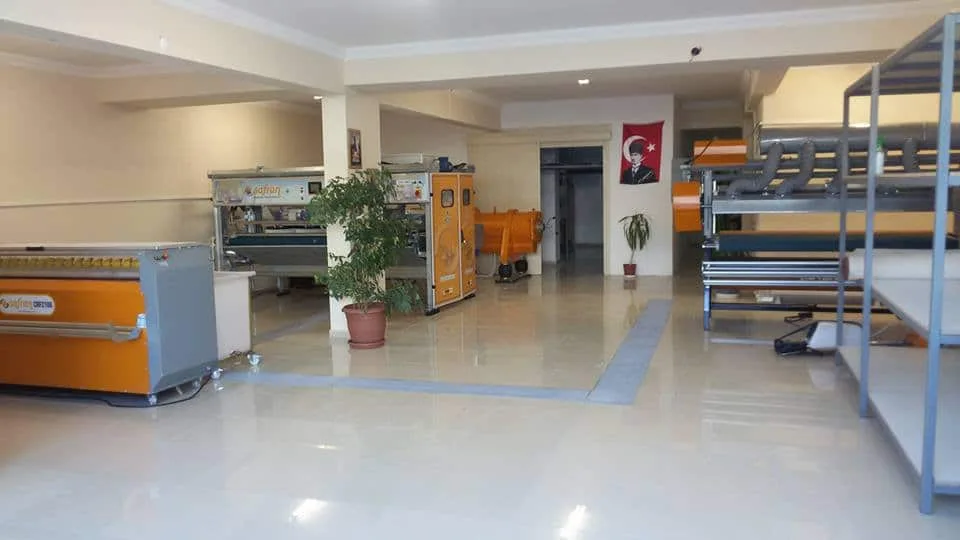
Automatic vs Manual Carpet Washing Machines
Compare automatic and manual carpet washing machines by capacity, control, labour, budget and support to choose a suitable system for your business.
Read article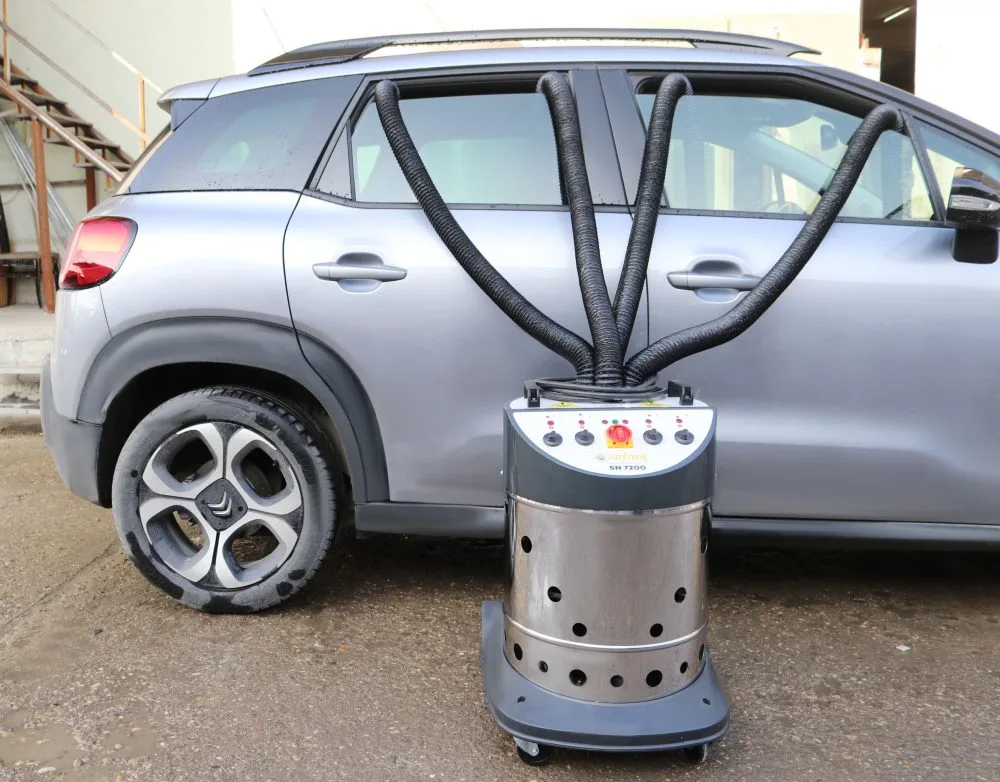
Car Wash Sets and Car Care Kits: Equipment and Price Factors
Explore car wash sets, pressure washers, automotive vacuums, polishers and care products. Check package contents and compare like-for-like prices.
Read article