
Carpet Drying Machines: Prices, Dehumidifiers and Drying-Room Planning
MODELS AND PRICES
Current models and prices
Compare features and current prices to choose the right machine for your work.
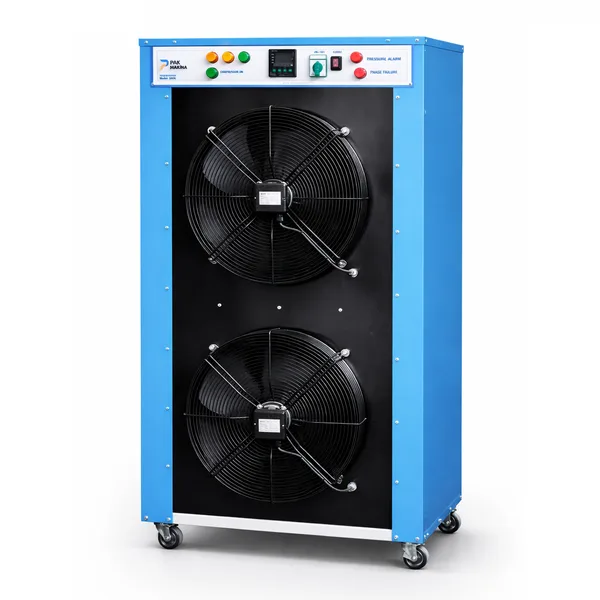
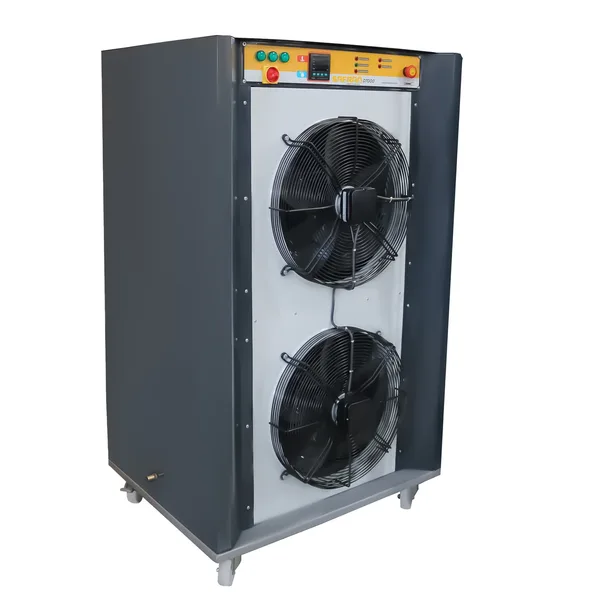
Which model suits your work?Tell us where you will use the machine and how much work it needs to handle each day; we will help you assess the options.
Request a quote for my businessSelection and operating guides

A carpet drying machine helps remove moisture from the room after carpets have been washed and spin-dried. Selection depends on more than rated daily water extraction: room volume, insulation, air circulation, the carpet load and seasonal conditions all matter.
This guide explains what affects carpet drying machine prices, how to plan the drying room and which information is needed to select a dehumidifier.
What determines the price of a carpet drying machine?
External dimensions alone do not provide a useful price comparison. Review moisture extraction capacity, operating temperature range, airflow, drainage, electricity consumption and service access together.
- Moisture extraction capacity: The quantity of water removed from the air at specified temperature and relative-humidity conditions.
- Air circulation: Helps moist room air pass through the machine consistently.
- Drainage: A collection tank or continuous drain connection changes the workflow.
- Controls: Humidity settings, timers and automatic stopping can simplify operation, depending on the model.
- Parts and service: Keeping the system running during the busy season may matter more than the initial purchase price.
How does dehumidification dry carpets?
A carpet is not completely dry after leaving a centrifuge. Water evaporating from carpets hanging in the room raises the humidity. A condensing dehumidifier draws in moist air, condenses water and returns drier air to the room. Fans help circulate that air over the carpet surfaces.
Do not leave a controlled drying room permanently open to outside air. Leaks around doors and walls introduce additional moisture for the machine to remove. Poor air circulation can also leave some carpets drying quickly while other areas remain damp.
How do you calculate the required capacity?
Start with room volume: floor area × ceiling height. Volume alone is insufficient. Include the total carpet area in a batch, approximate retained water after spinning, outdoor humidity and the target drying time.
| Information required | Why it matters |
|---|---|
| Room width, length and height | Establishes the total air volume. |
| Number of carpets and m² per batch | Indicates the moisture load released into the room. |
| Centrifuge used and residual moisture | Affects the water the drying system must remove. |
| Insulation and door use | Influences incoming heat and moisture. |
| Season and local climate | Changes capacity requirements, particularly in wet, humid periods. |
Published capacities relate to specific test conditions. Performance changes when temperature and humidity differ in the actual facility. Sharing these five details before requesting a quote reduces the risk of choosing an undersized or unnecessarily large machine.
How should the drying room be arranged?
- Hang carpets with enough space to prevent contact between them.
- Position fans to create circulation throughout the room rather than blowing at one point only.
- Keep the machine's air inlet and outlet unobstructed.
- Connect condensate drainage to a suitable, safe drain route.
- Use a water-resistant floor and have the electrical supply checked by a qualified person.
- Keep the room and hanging system clean so dried carpets do not become contaminated with dust again.
Plan drying alongside the rest of the process. The more water a correctly operated carpet centrifuge removes, the lower the drying-room load. See the carpet washing plant equipment page for the complete workflow.
When commissioning a room or changing its hanging arrangement, use the seven-step carpet drying room installation checklist. Records of the first batch's load, temperature, humidity and result help assess the layout.
Are fans alone enough?
Fans move air but do not remove water from the room by themselves. Ventilation may help when outside air is dry; circulating humid outside air can slow drying. In a closed, controlled room, a dehumidifier and circulation fans can provide a more balanced drying process.
How should you assess energy consumption?
Do not compare electrical input alone. An undersized machine may run much longer to reach the target humidity, increasing total consumption and turnaround time. An oversized unit can increase the initial investment. Compare the total energy and time needed to bring a batch of carpets to the required condition.
How can you measure the actual moisture load?
Room volume is only one part of selection. The main load is water carried into the room by carpets after spinning. Weigh the same sample carpet when fully dry and again after its normal centrifuge cycle. The difference in kilograms gives an approximate indication of litres of water remaining in the carpet. Testing several carpet types produces a more realistic estimate than relying on one catalogue assumption.
Record the measured water load alongside carpets per batch, target drying time, room temperature, starting relative humidity and outside conditions. This helps assess the approximate moisture the system must remove per cycle rather than relying only on a recommended room floor area.
Common bottlenecks that extend drying time
| Symptom | Possible cause | First check |
|---|---|---|
| Carpets on one side dry more slowly | Uneven air circulation | Fan direction, hanging gaps and the machine's air outlet |
| Drying time varies substantially between batches | Inconsistent carpet loads or spinning results | Batch m² records, carpet types and centrifuge cycles |
| Humidity stays high and condensation forms on doors or walls | Room leakage, excessive load or insufficient capacity | Door seals, insulation, drainage and operating conditions |
| Odours develop or some areas remain wet | Carpets hang too close together or airflow does not reach the surfaces | Hanging layout, spacing and air circulation |
Coordinate spinning, drying and delivery
The first step in reducing incoming water is a correctly operating carpet centrifuge and a consistent loading process. Plan the room around the batch that will hang at one time. If washing and spinning continually exceed drying capacity, wet carpets queue during peak demand, complicating delivery schedules and quality control.
Compare the technical specification alongside continuous drainage, filter cleaning, service access and fan positioning. See current equipment in the carpet drying machines category, or plan the full process using the carpet washing plant equipment page.
Frequently asked questions
How many hours do carpets take to dry?
There is no single reliable time. Carpet type, centrifuge performance, room volume, temperature, humidity, air circulation and batch size all affect the result.
Is a dehumidifier a heater?
Its primary function is to remove moisture by condensation. It may release some heat while running, but it should not be selected solely as a heating device.
How many units does one room need?
You cannot establish the number without room volume and daily moisture load. A technical calculation should consider carpet area per batch, residual moisture after spinning and target drying time.
Where can I find current prices?
Visit the carpet drying machines category for current models and pricing information.
Before requesting a quote: Share room dimensions, daily carpet area, location and the centrifuge you use. These details support a properly sized recommendation.
Compare the models relevant to this guide. Prices come from the current product catalogue; open a product page for technical specifications. Current models and prices
Continue reading
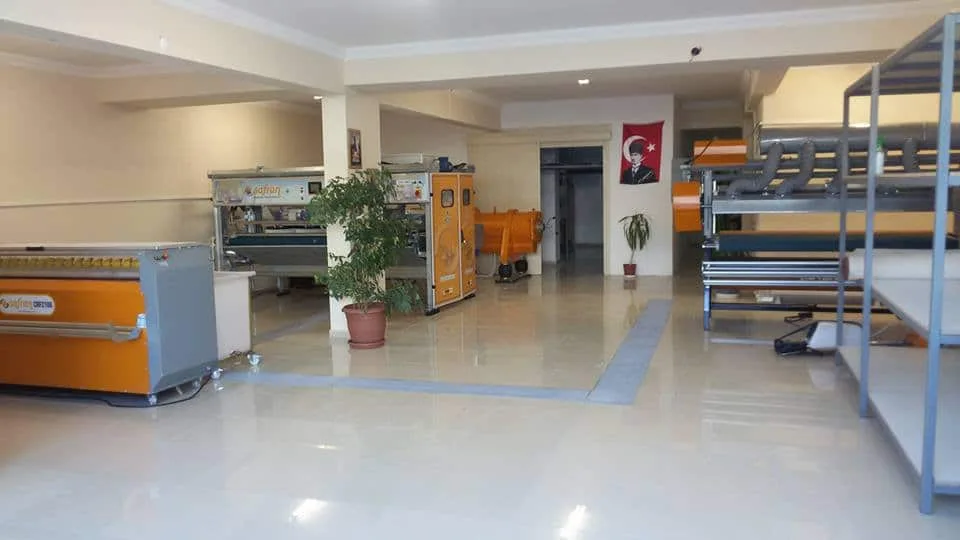
Automatic vs Manual Carpet Washing Machines
Compare automatic and manual carpet washing machines by capacity, control, labour, budget and support to choose a suitable system for your business.
Read article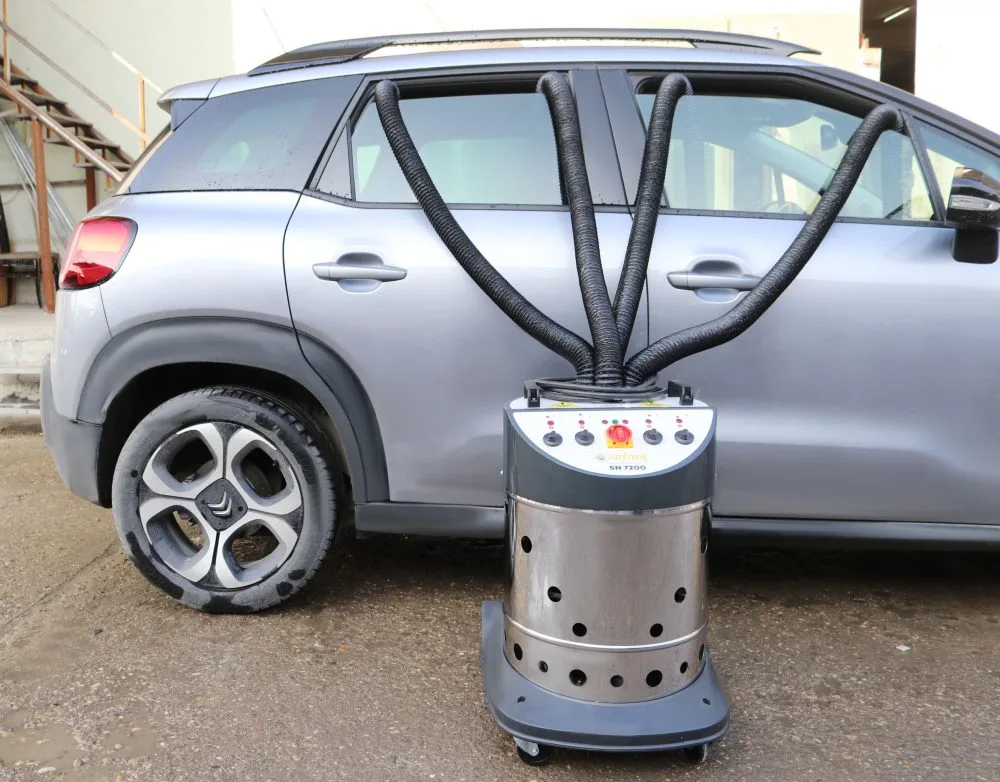
Car Wash Sets and Car Care Kits: Equipment and Price Factors
Explore car wash sets, pressure washers, automotive vacuums, polishers and care products. Check package contents and compare like-for-like prices.
Read articleCar Wash Supplies: Machines, Tools and Care Products
Explore car wash supplies, upholstery extractors, industrial vacuums, pressure washers and care products, with selection and application guidance.
Read article