
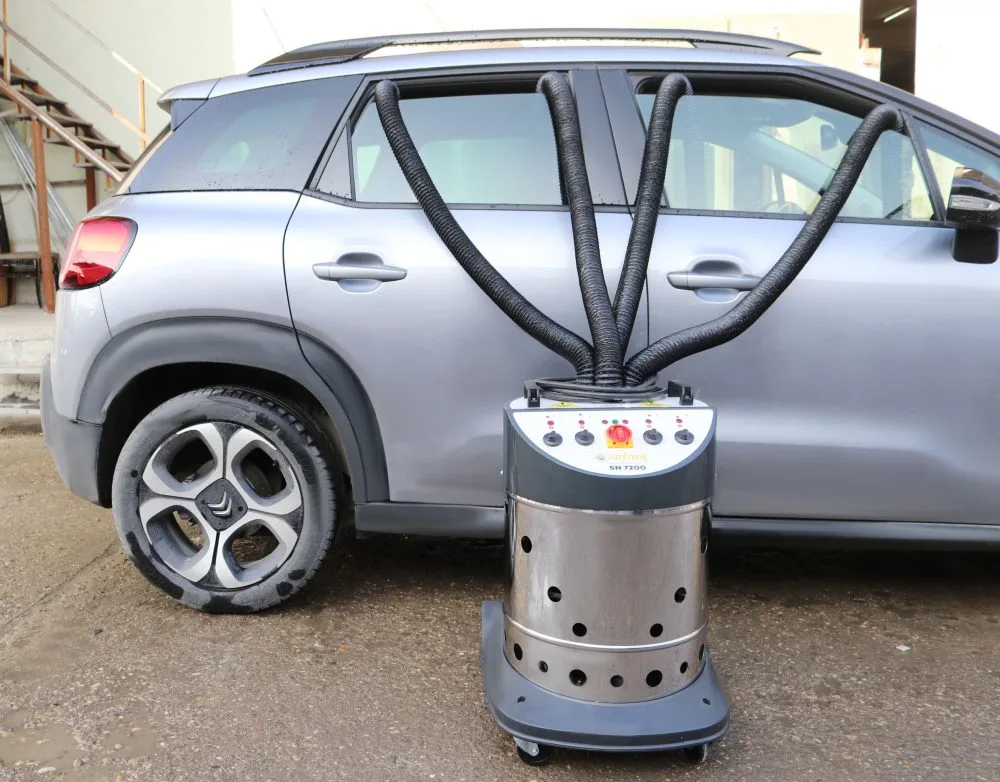
PAK Makina supplies equipment for car washing and detailing. Car wash supplies include a range of products used to clean and care for vehicles. The main groups are described below. Select machines and chemicals for the actual surface and task; a general product category does not establish compatibility with every material.
1. Upholstery cleaning machines
Features
- Deep cleaning: Removes embedded dirt and treats stains in suitable upholstery fabrics.
- Versatile applications: Suitable models can be used on car seats, upholstery and carpets.
- Strong extraction: Recovers excess moisture and helps reduce drying time.
Applications
- Vehicle seats: Fabric seats can be cleaned by extraction when their care instructions permit it. Leather requires a compatible method and product rather than automatic wet extraction.
- Household upholstery: Cleaning sofas, chairs and carpets using the appropriate attachment and method.
Types
- Portable machines: Easy to transport and useful for smaller working areas.
- Industrial machines: Designed for greater capacity and demanding cleaning workloads.
How to use them
- Preparation: Vacuum the surface to remove loose dust and dirt.
- Cleaning solution: Add a compatible solution to the machine's clean-water tank at the specified dilution.
- Cleaning: Work over the upholstery surface with controlled application and extraction.
- Rinsing: Rinse with clean water if the material and cleaning process require it.
- Drying: Extract excess moisture and allow the material to dry with adequate ventilation.
Upholstery extractors help keep suitable vehicle interiors clean and well maintained.
2. Industrial vacuum cleaners
Features
- High suction performance: Collects substantial dirt and debris within the machine's rated capabilities.
- Durable construction: Uses materials suited to demanding operating conditions.
- Versatility: Wet/dry models can handle both dry pickup and suitable non-hazardous liquids.
Applications
- Industrial facilities: Heavy-duty cleaning in factories and workshops, using a model rated for the material being collected.
- Car washing: Cleaning vehicle interiors and appropriate surrounding work areas.
Types
- Dry vacuum cleaners: For dust and dry debris.
- Wet/dry vacuum cleaners: For suitable liquid pickup as well as dry waste, with the required filter configuration.
How to use them
- Preparation: Configure the vacuum for the intended task.
- Nozzle selection: Fit the attachment appropriate to the surface.
- Cleaning: Vacuum the surface thoroughly.
- Maintenance: Clean the filters and collection tank after use as instructed by the manufacturer.
Industrial vacuums support efficient cleaning of larger areas and heavier dirt loads. Hazardous or combustible dust requires specifically rated equipment.
3. Hot-air generators
Features
- Heating capacity: Generates heated air for large spaces within the unit's specified capacity.
- Adjustable thermostat: Allows the required temperature to be controlled.
- Energy efficiency: A correctly sized and operated system can help manage heating costs.
Applications
- Industrial spaces: Heating workshops, factories and warehouses where the equipment is approved for use.
- Agriculture: Temperature control in greenhouses and other suitable agricultural spaces.
- Car washing: Supporting vehicle drying with controlled warm airflow.
Types
- Electric hot-air generators: Produce heat from electricity and are often compact, with operating cost dependent on local tariffs.
- Gas-fired hot-air generators: Use natural gas or propane and are available for larger spaces.
- Diesel-fired hot-air generators: Offer high heating output and portable configurations.
How to use them
- Installation: Position the unit in a suitable location and make the required connections. Fuel-burning equipment also requires the specified ventilation and exhaust arrangements.
- Settings: Set the thermostat and temperature.
- Operation: Start the unit to heat the space or deliver the intended airflow.
- Maintenance: Clean filters and other components regularly, and check fuel levels where applicable.
Hot-air generators can provide effective heating for large or demanding environments when properly selected and installed, helping support operational productivity.
How to start a cleaning company
4. Air compressors
Features
- Air pressure: Compresses and stores air for use at the specified pressure.
- Energy efficiency: Correct sizing helps balance air delivery and energy consumption.
- Durability: Industrial designs are built for demanding working conditions.
Applications
- Industry: Supplying compressed air to compatible machinery in factories and production facilities.
- Vehicle maintenance: Inflating tyres and powering suitable air-cleaning tools.
- Construction: Operating pneumatic tools and compatible material-handling equipment.
Types
- Piston compressors: Common in small and medium applications; a piston compresses the air.
- Rotary screw compressors: Use a screw mechanism to supply compressed air for larger workloads and continuous demand.
- Diaphragm compressors: Used in specialist chemical and medical applications requiring the appropriate air purity and pressure.
How to use them
- Installation: Place the compressor in a suitable area and make the required connections.
- Settings: Set the pressure and airflow for the application.
- Operation: Start the compressor and supply the required application.
- Maintenance: Clean filters, check oil levels where required and follow the scheduled maintenance programme.
Compressors play an important role in industrial and commercial applications by supplying compressed air efficiently when matched to the demand.
5. Pressure washers for car washing
Features
- High-pressure cleaning: Uses pressurised water to remove suitable dirt and deposits.
- Attachment options: Different nozzles and attachments serve different surfaces and cleaning requirements.
- Water temperature: Some models provide hot-water cleaning for appropriate applications.
Applications
- Vehicle cleaning: Exterior panels, wheels and suitable engine-bay areas, with the correct pressure, distance and precautions.
- Industrial premises: Cleaning larger surfaces at car wash facilities and workshops.
Types
- Electric pressure washers: Mains-powered options include machines for homes and smaller businesses.
- Diesel- or petrol-powered pressure washers: Portable options for higher-output and larger-scale applications.
- Hot-water pressure washers: Heated water can help remove more persistent soil and grease in professional cleaning.
How to use them
- Pre-rinse: Rinse loose, coarse dirt from the vehicle surface.
- Shampoo application: Apply a compatible car shampoo or cleaning solution.
- Pressure washing: Clean with the appropriate pressure and nozzle distance, paying attention to wheels and corners.
- Rinsing: Rinse away all cleaning solution and dirt residues.
- Drying: Dry with a clean microfibre cloth or a suitable vehicle drying system.
A suitable pressure washer can clean vehicles quickly and effectively, supporting their appearance and care while saving time and labour.
6. Car shampoos and soaps
- Features: Suitable pH-balanced formulations are intended to clean without damaging compatible surfaces.
- Applications: Painted, plastic and metal surfaces approved on the product label.
- Types: Unscented, scented and high-foam formulations.
Features
- pH balance: Formulation and dilution should suit the vehicle finish.
- Foaming: Foam helps distribute the product and loosen soil when used as directed.
- Paint care: Appropriate products support a clean, glossy finish without stripping incompatible coatings.
Applications
- General cleaning: Use on vehicle surfaces specifically permitted by the manufacturer.
- Detailing: Suitable for more thorough washing procedures.
Types
- Unscented: An option for users who prefer no added fragrance.
- Scented: Available with different fragrances.
- High-foam: Produces greater foam coverage for suitable cleaning methods.
How to use them
- Pre-rinse: Rinse away coarse dirt.
- Shampoo application: Apply diluted shampoo with a suitable sponge, wash mitt or finish-safe brush.
- Rinsing: Remove all shampoo residue with clean water.
- Drying: Dry the surface with a clean microfibre cloth.
These products help keep a vehicle clean and well cared for. Suitable, good-quality products support the appearance of its finish over time.
7. Brushes and sponges
- Features: Soft bristles and appropriate sponge materials help reduce scratching when kept clean and used correctly.
- Applications: Vehicle bodywork, wheels and tyres, using separate tools where appropriate.
- Types: Wash mitts and telescopic brushes.
Features
- Soft bristles: Designed to clean compatible surfaces gently.
- Ergonomic design: A comfortable grip makes the tool easier to use.
- Material choices: Microfibre, natural and synthetic materials are available.
Applications
- Bodywork: Gentle cleaning of painted surfaces with a suitable clean tool.
- Wheels and tyres: Removing stubborn grime and brake dust with dedicated tools.
- Interior details: Specialist sponges for suitable seats and upholstery.
Types
- Wash mitts: Fit over the hand for greater control.
- Telescopic brushes: Extendable handles help reach difficult areas.
- Specialist brushes: Fine or small heads support detailed cleaning.
How to use them
- Using a sponge: Apply shampoo to the sponge and work over the surface using movements appropriate to the finish.
- Using a brush: Wet the compatible brush with water and cleaner, then clean gently.
- Rinsing: Rinse away all cleaning products thoroughly.
These tools support effective vehicle detailing. Appropriate brushes and sponges, kept free of grit, reduce the risk of scratches and damage.
8. Microfibre cloths
- Features: Good absorbency and a low-streak finish.
- Applications: Drying, polishing and glass cleaning.
- Types: Different thicknesses and sizes.
Features
- Absorbency: Picks up water and loosened dirt.
- Low-streak cleaning: A suitable clean cloth helps avoid marks and scratching.
- Durability: Reusable and washable according to the care instructions.
Applications
- Drying: Absorbs water to reduce drying marks.
- Polishing: Helps apply or buff suitable polishes.
- Glass cleaning: Supports streak-free cleaning of windows and mirrors.
Types
- Different thicknesses: Thinner cloths are often used for glass and thicker ones for drying.
- Different sizes: Small to large cloths serve different tasks.
How to use them
- Drying: Use gentle pressure to absorb water from the surface.
- Polishing: Spread or buff the polish using the movements specified for the product.
- Cleaning: Wipe glass or interior surfaces with a suitable cloth to minimise streaks.
Good-quality microfibre cloths make vehicle care easier, supporting a clean, glossy surface. Keep them clean and follow their washing instructions to extend their usable life.

9. Polishes and waxes
- Features: Enhances gloss; protective properties, including UV protection, depend on the formulation.
- Applications: Suitable products protect and enhance painted surfaces.
- Types: Spray, cream and liquid formats.
Features
- Gloss enhancement: Improves the appearance and depth of the finish.
- Protective layer: Compatible waxes and protectants can help resist environmental exposure; confirm any UV claim on the product label.
- Water repellency: Can help water shed from a treated finish and reduce retained water.
Applications
- Paintwork: Appropriate products provide gloss and protection.
- Metal surfaces: Use only products compatible with the particular wheel or chrome finish.
Types
- Spray products: Convenient for quick application.
- Cream products: Used for more substantial application where appropriate.
- Liquid products: Easy to distribute, with results dependent on the product and preparation.
How to use them
- Surface preparation: Wash and dry the vehicle.
- Application: Apply the polish or wax with a clean microfibre cloth or applicator, following the product instructions.
- Drying: Allow the specified curing or drying time.
- Buffing: Buff with a suitable cloth and remove excess product.
Appropriate polishes and waxes improve appearance and support protection of the finish. Choose a product suited to the paint condition and intended result.
10. Wheel cleaners
- Features: Acid-free formulations are available for compatible wheel finishes.
- Applications: Aluminium, chrome and steel wheels, subject to the product's compatibility instructions.
- Types: Spray and gel formulations.
Features
- Cleaning strength: Removes suitable grime, brake dust and oily deposits.
- Acid-free options: Useful for permitted finishes, although acid-free does not mean universally compatible.
- Fast action: Loosens soil within the product's specified dwell time.
Applications
- Aluminium wheels: Use a cleaner suitable for the specific sensitive finish.
- Chrome and steel wheels: Clean and enhance appearance with a compatible formulation.
Types
- Sprays: Convenient for application and coverage.
- Gels: Offer more concentrated contact for appropriate demanding tasks.
How to use them
- Pre-cleaning: Rinse off loose dirt.
- Application: Spray or apply the cleaner to the wheels.
- Dwell time: Allow the few minutes specified on the label without letting the cleaner dry.
- Brushing: Agitate gently with a suitable soft brush.
- Rinsing: Rinse away the product and dirt thoroughly.
Correctly selected wheel cleaners help maintain wheel condition and improve the vehicle's overall appearance.
11. Tyre dressings
- Features: Improves tyre appearance; UV protection depends on the product.
- Applications: Tyre sidewalls only, as directed.
- Types: Spray and foam formulations.
Features
- Appearance: Gives tyre sidewalls a fresher finish.
- UV protection: Some formulations provide protection against sunlight; check the product's claim.
- Water repellency: Can help treated sidewalls stay cleaner.
Applications
- Tyre sidewalls: Apply for appearance and compatible surface protection; keep dressing away from tread and braking components.
Types
- Sprays: Allow quick, convenient application.
- Foams: Provide a thicker application where specified.
How to use them
- Cleaning: Wash and dry the tyres.
- Application: Apply the dressing evenly to the sidewalls.
- Drying: Allow it to dry according to the instructions.
- Excess removal: Wipe away surplus product with a microfibre cloth if required.
Tyre dressings complete the vehicle's appearance and can support sidewall care when used correctly.
12. Glass cleaners
- Features: Low-streak cleaning; anti-fog performance applies only to products with that specified function.
- Applications: Compatible vehicle windows and mirrors.
- Types: Spray and foam options.
13. Seat and upholstery cleaners
- Features: Stain treatment and freshening, according to the formulation.
- Applications: Fabric or leather upholstery only where the relevant product and method are approved for that material.
- Types: Foam and liquid formulations.
14. Air fresheners
- Features: Adds a fragrance to the vehicle interior.
- Applications: Freshening interior air; fragrance does not replace cleaning or remove the underlying source of an odour.
- Types: Sprays, gels and hanging fresheners.
These supplies support effective vehicle cleaning and care when selected for the surface, task and operating instructions.
Continue reading

Carpet Drying Machines: Prices, Dehumidifiers and Drying-Room Planning
Plan a carpet drying room and compare dehumidifiers by moisture load, airflow, drainage and energy use. Learn what affects drying-machine prices.
Read article
Automatic vs Manual Carpet Washing Machines
Compare automatic and manual carpet washing machines by capacity, control, labour, budget and support to choose a suitable system for your business.
Read articleCar Wash Sets and Car Care Kits: Equipment and Price Factors
Explore car wash sets, pressure washers, automotive vacuums, polishers and care products. Check package contents and compare like-for-like prices.
Read article