
Car Washing Machines: Types and Professional Applications
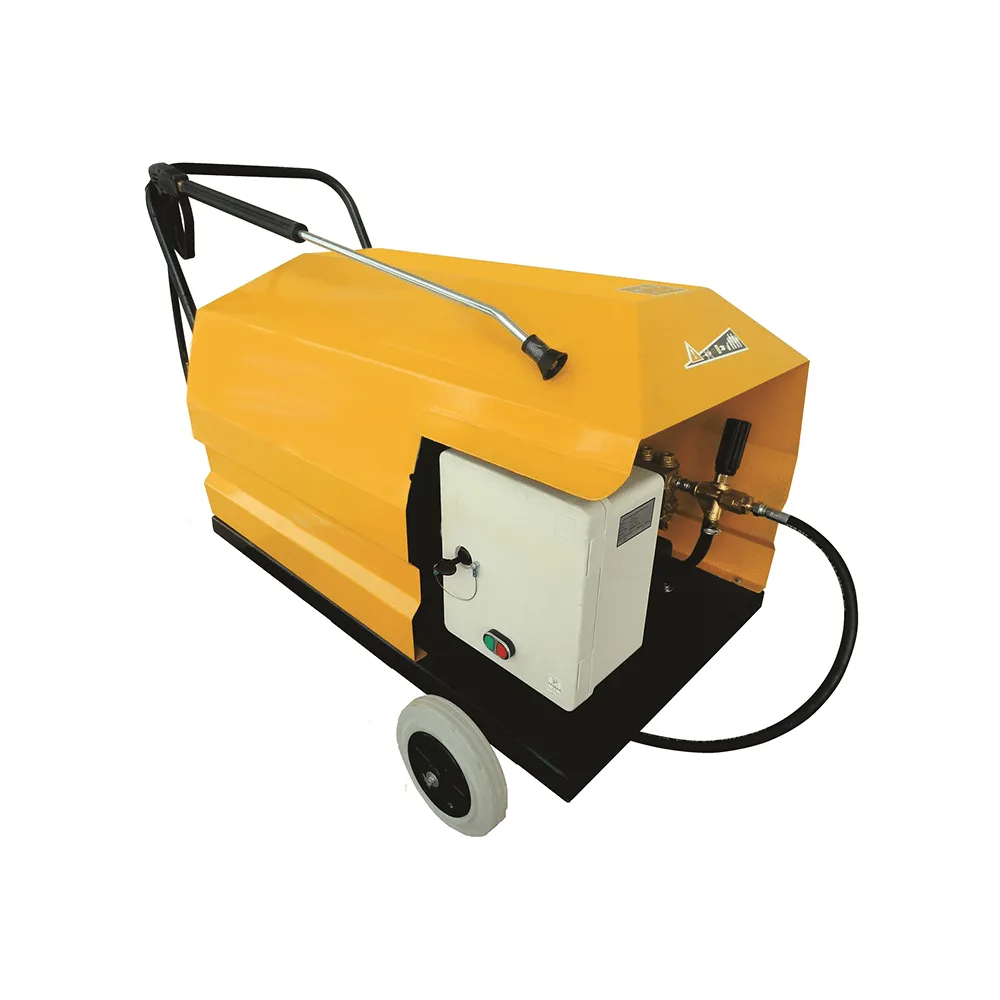
Car washing machines are designed for vehicle cleaning and are used by owners and professional wash operators. Suitable equipment can improve cleaning speed and control water and chemical use, although environmental and cost benefits depend on the machine, method and operation. The main types are described below.
Types of car washing equipment and their features
- Automatic car washes: Often found at large wash sites and filling stations. The vehicle enters the system, where programmed brushes or jets, rinsing and drying stages clean the exterior according to the selected programme.
- Self-service washing systems: Coin- or card-operated facilities allow users to select operations such as high-pressure spraying, brushing and rinsing.
- Steam cleaning machines: Used for suitable detailing tasks, including treatment of appropriate winter grime. Steam can reduce water use for some processes, but salt removal and material compatibility must be assessed for the actual task.
- Pressure washers: Use pressurised water jets to remove suitable soil and are common at professional wash sites.
Potential advantages
- Speed and consistency: Appropriate modern equipment can provide effective results in less time.
- Controlled water use: Some systems use less water than particular manual methods. Assess measured consumption and any recycling arrangement rather than assuming every machine uses less.
- Surface care: Compatible soft brushes and appropriate programmes can support gentle cleaning. No system is universally damage-proof; nozzle distance, pressure, cleanliness and the vehicle's finish all matter.
Professional washing equipment can save time and help maintain a vehicle's condition when correctly chosen and operated. Different models and technologies provide options for different budgets and tasks. Such systems are commonly found at wash sites, automotive service businesses and dealerships.
Continue reading
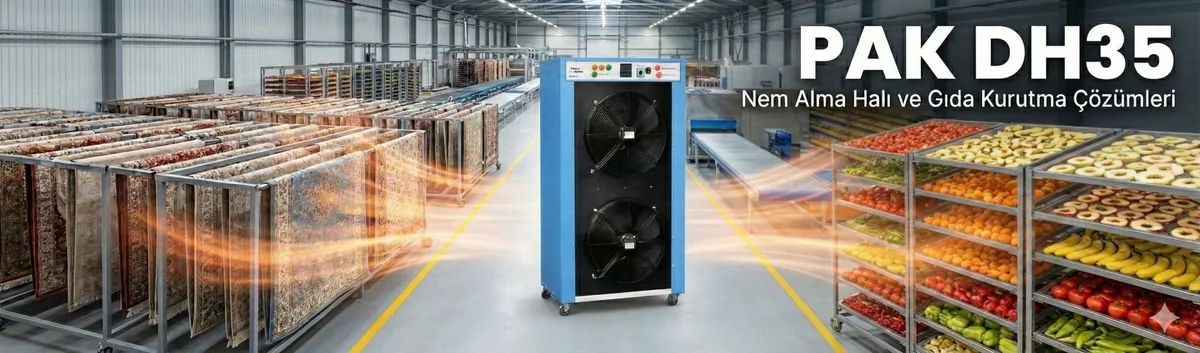
Carpet Drying Machines: Prices, Dehumidifiers and Drying-Room Planning
Plan a carpet drying room and compare dehumidifiers by moisture load, airflow, drainage and energy use. Learn what affects drying-machine prices.
Read article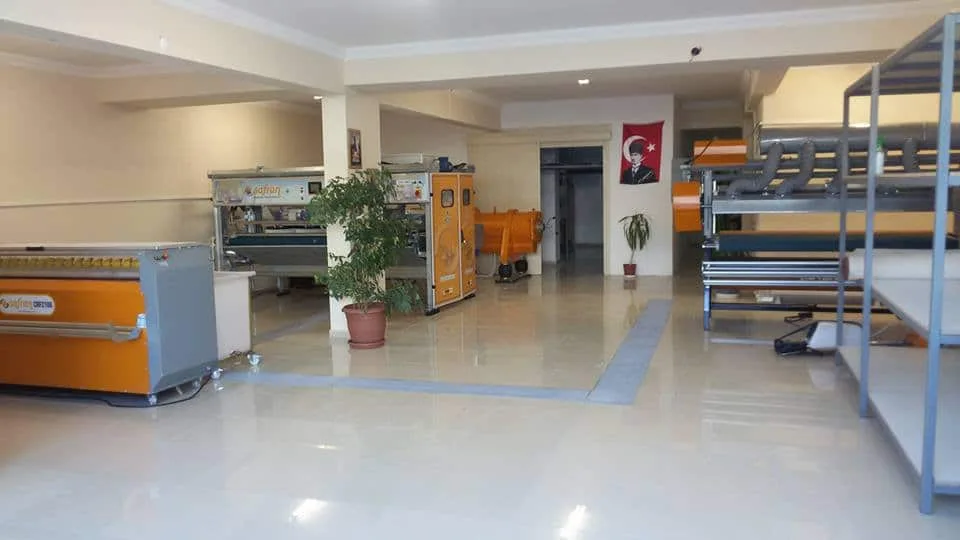
Automatic vs Manual Carpet Washing Machines
Compare automatic and manual carpet washing machines by capacity, control, labour, budget and support to choose a suitable system for your business.
Read article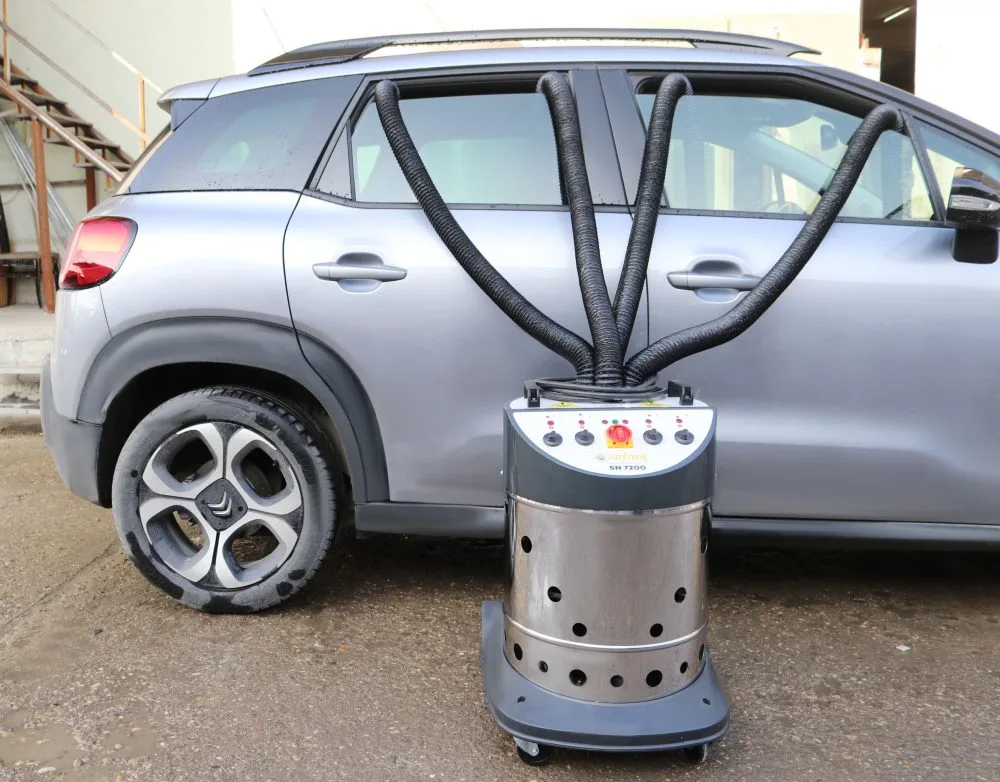
Car Wash Sets and Car Care Kits: Equipment and Price Factors
Explore car wash sets, pressure washers, automotive vacuums, polishers and care products. Check package contents and compare like-for-like prices.
Read article