Upholstery Extractor or Wet and Dry Vacuum: What Is the Difference?
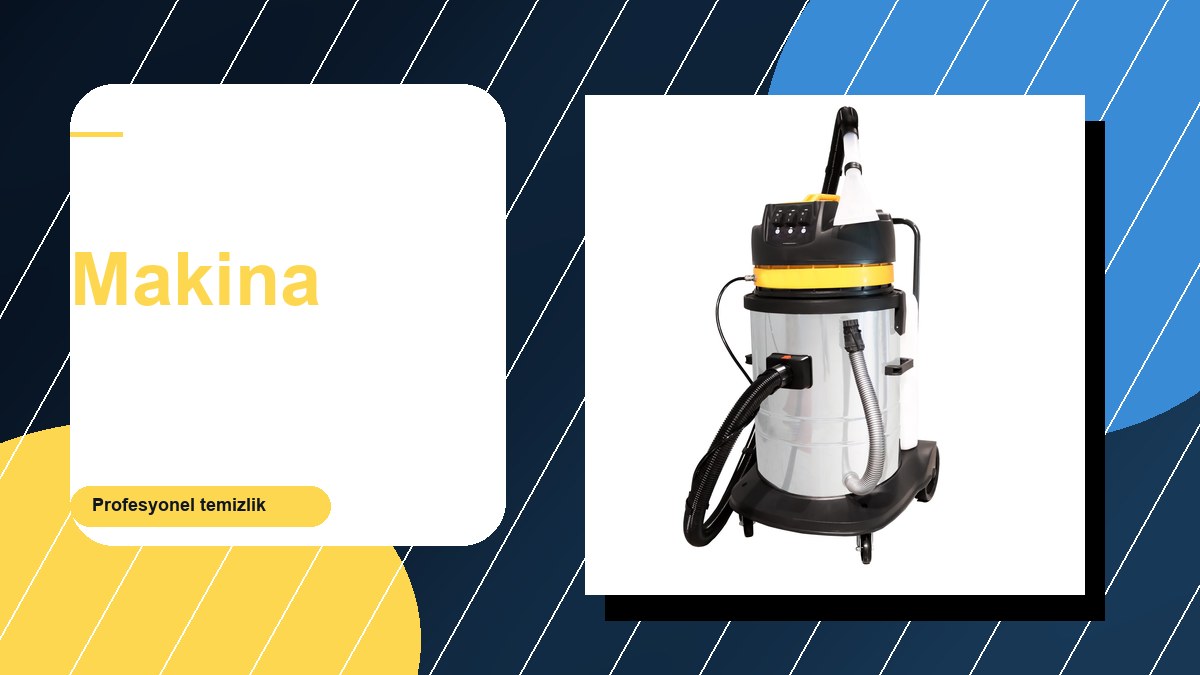
The main difference between an upholstery cleaning machine and a wet and dry vacuum is not simply the ability to pick up water. A spray-extraction upholstery cleaner pumps clean water or a suitable cleaning solution onto fabric, then vacuums the dirty liquid back. A standard wet and dry vacuum collects dry dirt or suitable liquids using the correct filters and accessories; not every model has a water-spray system.
Similar-looking tanks or the same number of vacuum motors do not mean two machines do the same job. Select first for the work, then for pump, vacuum, accessory and transport requirements.
How the two machines operate differently
A wet and dry vacuum’s main operation is drawing dirt or liquid into a tank. Filter changes, bag use and fill-level checks when switching between dry and wet use vary by model. Do not assume suitability for liquids or dusts not covered by the operating instructions.
An upholstery cleaner coordinates clean-liquid application and dirty-liquid recovery. The clean-water tank, pump, spray line and cleaning tool are parts of this process. Balance the amount of water applied to fabric with recovery. Fabric-compatible methods and operator technique affect the result as much as machine selection.
Upholstery cleaner and wet and dry vacuum comparison
| Feature | Upholstery cleaner | Standard wet and dry vacuum |
|---|---|---|
| Main task | Apply cleaning solution to suitable fabric and recover dirty liquid | Collect suitable dry dirt or liquids |
| Water-spray pump | Present in spray-extraction models | Separate from standard vacuuming; verify it specifically for the model |
| Clean-water circuit | Uses a tank, hose and trigger-operated tool | Liquid pickup alone does not imply a clean-water circuit |
| Tools | Heads suitable for upholstery, fabric or carpet washing | Heads suitable for dry vacuuming and liquid pickup |
| Heating or steam | Not fitted to every model; check separately | Wet use does not mean heating or steam capability |
| Selection criterion | Surface to wash, pump/recovery balance and service workflow | Dirt to collect, filtration, tank and operating conditions |
The table explains the basic operating difference. Multifunction machines can combine features; use the technical description and supplied equipment list when deciding.
Which machine suits which task?
On-site upholstery and vehicle fabric washing
If the service includes controlled liquid application to fabric and recovery, explore upholstery cleaning machines. Stairs, vehicle luggage space, hose reach and handling clean- and dirty-water tanks affect daily work. Comparing motor power alone can overlook transport and operating convenience.
Dry dirt and suitable liquid pickup at a car wash
For vehicle-interior dry vacuuming or collecting liquids the machine is designed for, wet and dry industrial vacuums are an appropriate starting point. Before assessing PAK 723 C and upholstery cleaners for the same job, compare their pumps and spray equipment.
Providing both vacuuming and washing services
A machine’s ability to perform both tasks does not mean all necessary filters and accessories are included. Assess switching steps from dry vacuuming to wet work, cleaning time and the number of teams working simultaneously. Under heavy workloads, also consider how separate machines affect workflow.
Motor count, pump and heater are different features
Vacuum motors recover liquid and air; the pump applies clean liquid. A heater or steam system is separate equipment. “Three motors” does not imply the machine produces hot water.
For example, assess PAK 722 K as two vacuum motors plus a pump and PAK 723 K as three vacuum motors plus a pump. For hot water or steam, the heated PAK 127 A and PAK 420 B steam model are separate options. Do not assume every surface tolerates hot water or steam.
Seven questions before buying
- Does it spray clean water, or only collect liquid?
- Is there a separate pump, and how is application controlled?
- Are the upholstery tool and required hoses included in the quotation?
- Which filter or accessory changes are needed for dry and wet use?
- Does it genuinely provide heating or steam, and on which surfaces may it be used?
- Does the machine suit the transport route and the worksite’s electrical conditions?
- How will service, consumables and replacement tools be obtained?
Use the upholstery cleaner prices and model comparison guide to compare quotations with the same accessories and equipment. If starting a service, the upholstery cleaning business guide also helps assess preparation beyond equipment.
Frequently asked questions
Is fitting an upholstery tool to a wet and dry vacuum enough?
Changing a head does not add a clean-water pump and spray circuit. Verify accessory compatibility and intended use with the manufacturer.
Does an upholstery cleaner dry furniture completely?
Vacuuming helps recover applied liquid, but moisture may remain in fabric and filling. Drying depends on the material, applied water and ambient conditions. Do not treat one fixed time as a guarantee for all furniture.
Do more motors always produce better results?
The result depends on the vacuum system, hose/tool compatibility, pump application, maintenance and technique. Ranking models only by motor count is insufficient.
Let us select a model for your work
Request a quotation from PAK Makina, stating the surfaces, daily workload and transport conditions. You can then compare machines with the required tools and intended scope of use.
Continue reading
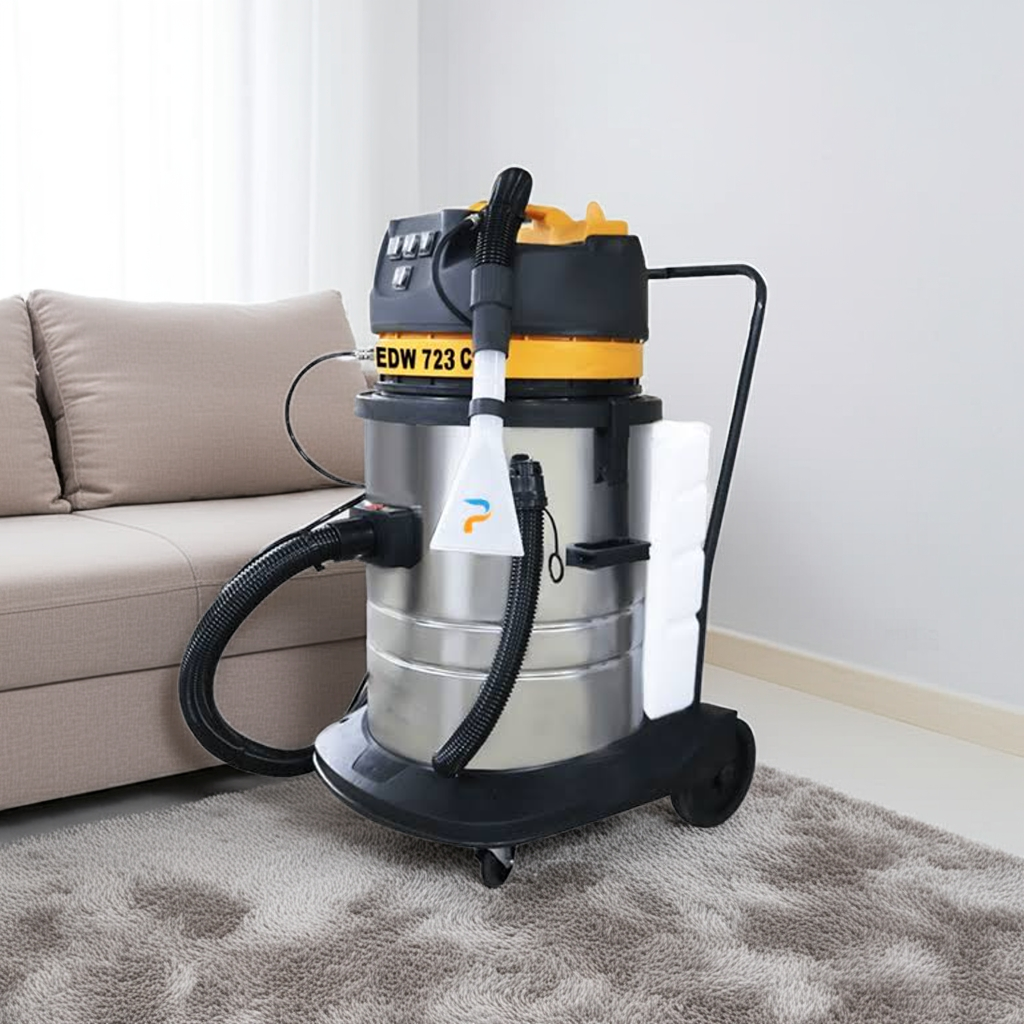
Three-Motor Professional Upholstery Extractors: Features and Benefits
Assess a three-motor upholstery extractor by vacuum recovery, tank capacity, tools, handling and service support. See where this configuration can be useful.
Read article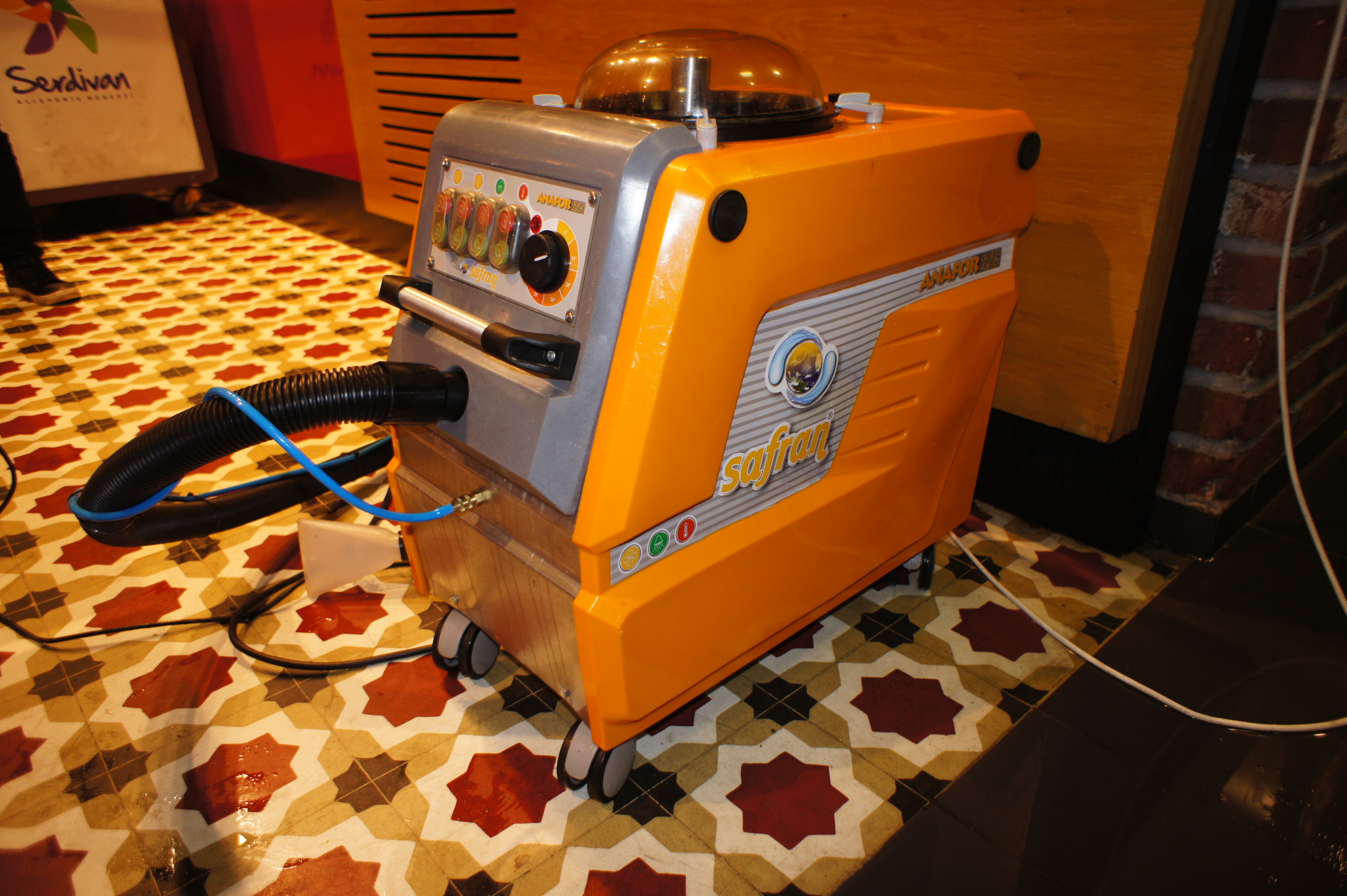
Safran Anafor 12/16 Upholstery Cleaning Machine
Read the historical Anafor 12/16 specifications, attachments and operating steps. Check current ratings, price and safety documentation before purchase.
Read article
Car Upholstery Cleaning Machines: Cleaning and Care
Choose a car upholstery extractor by material compatibility, recovery performance, price and parts support. Check drying and fabric care requirements.
Read article