
How to Start an Upholstery Cleaning Business: A Practical Guide
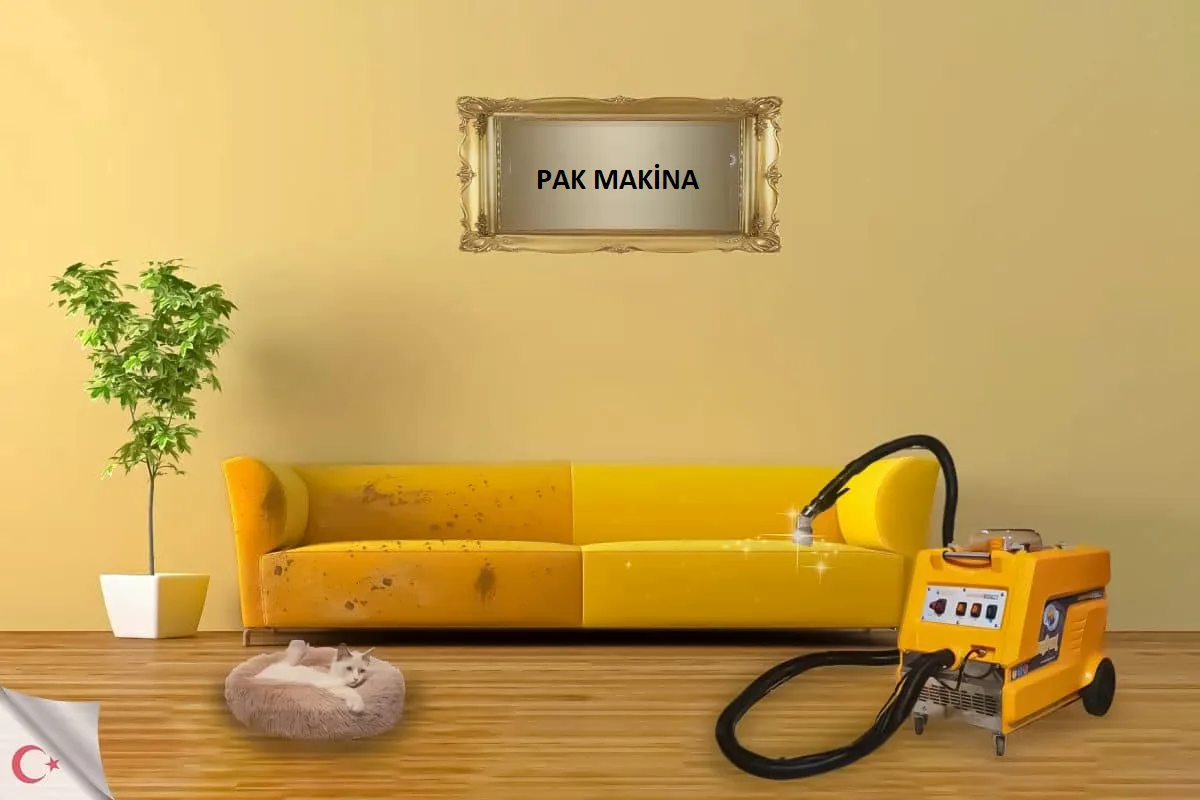
An upholstery cleaning business can start with a small storage space or a mobile team. Buying a machine alone, however, does not establish a viable service. Consistent results depend on identifying fabrics correctly, using compatible chemicals, effective water extraction, clear customer communication and a workable appointment schedule.
This guide explains the decisions to make from the start. Rather than promising a fixed income, it provides a practical operating model for calculating costs and capacity.
Define your business model first
Upholstery cleaning may take place in homes, offices, hotels or vehicles. Each setting has different appointment lengths, equipment-handling requirements and customer expectations. Define the service before selecting a machine.
- Domestic and office upholstery: Portable equipment, controlled spraying and effective water recovery are important.
- Car detailing and interior cleaning: Narrow tools, a long hose, a compact body and vacuum performance suited to intensive use become priorities.
- Hotels, student accommodation and contract work: Daily capacity, spare tools, convenient tank emptying and reliable service support matter.
- Combined carpet and upholstery cleaning: You may need a suitable carpet tool in addition to the upholstery hand tool, together with greater recovery-tank capacity.
Starting with one service makes operations easier to manage. A team that begins with domestic sofa cleaning can add vehicle interiors or commercial upholstery once its process is consistent.
What equipment do you need?
The core equipment is a spray-extraction machine that applies a controlled mixture of water and detergent to the fabric and recovers the soiled solution. Motor count alone can be misleading. Compare vacuum performance, the pump system, tank sizes, hose quality, tool design and availability of spare parts together.
Starter equipment checklist
- A professional upholstery spray extractor and a transparent hand tool
- A suitable vacuum for dry pre-cleaning
- Labelled cleaning products with instructions appropriate to the fabrics being treated
- Soft brushes, microfibre cloths, a measuring jug and spot-treatment equipment
- A suitable extension cable, hose protection and floor-protection sheets
- Personal protective equipment and separate storage for clean and dirty cloths
Compare current models in the upholstery cleaning machines category. Use the catalogue filters for motor configuration, body construction and intended application to narrow the selection.
Look beyond the purchase price
A low-cost machine may seem attractive initially, but poor water recovery, broken tools or delays obtaining parts can reduce booking capacity. Ask these questions before purchasing:
- What daily workload is the machine designed to support?
- Are the clean-water and recovery tanks easy to fill and empty?
- Are the hose and hand tool practical for on-site work?
- Are motors, pumps, hoses and tools available as replacement parts?
- How much downtime should you plan for if servicing is required?
Matching the equipment to the business model avoids both paying for unnecessary capacity and losing time with an undersized machine.
How is professional upholstery cleaning carried out?
A controlled, repeatable process matters more than using extra detergent. Follow the same inspection sequence at every appointment.
- Pre-inspection: Record the fabric type, loose seams, fading, existing stains and the customer's expectations.
- Dry pre-cleaning: Remove crumbs, dust and pet hair from the surface.
- Test an inconspicuous area: Test the intended product on a small hidden section. Stop if colour transfers or the texture changes.
- Pre-treatment: Mix the product at the labelled dilution and avoid unnecessarily saturating the fabric.
- Agitation: Use a brush with a softness appropriate to the fabric. Greater pressure does not necessarily clean better.
- Spray extraction: Work in small sections, finishing with vacuum-only passes to recover as much water as practical.
- Final inspection: Check seams, cushion edges and areas below the arms. Provide ventilation and explain the drying conditions to the customer.
If the fabric is unknown or the care label specifies special treatment, do not use a strong chemical treatment without testing. Wool, viscose, velvet and upholstery liable to colour bleeding cannot be treated in the same way as standard synthetic fabrics.
How should you price the service?
Copying a single advertised market price is unreliable. Location, furniture construction, staining, travel distance and appointment length vary. Establish your base price using these costs:
- Total working and travel time for the booking
- Fuel, parking and transport costs
- Chemicals, cloths and consumables
- Equipment depreciation, maintenance and a provision for servicing
- Taxes, payment fees and advertising costs
- A contingency for rework and customer satisfaction
Define separate packages for three-seater sofas, corner suites and vehicle interiors. Before giving a firm quote from a photograph, assess fabric, cushion count, staining, address and floor level. The customer and team can then prepare with clear expectations.
How can you find your first customers?
For a new business, clear and verifiable examples of completed work are powerful marketing material. With permission, use before-and-after photographs taken from the same angle, process videos and genuine customer reviews. Avoid image filters that exaggerate the result.
- Complete your Google Business Profile with service area, phone number and opening hours.
- Write distinct service pages for genuine local areas rather than duplicating the same text.
- Create a short WhatsApp question sequence that collects the information needed before quoting.
- Build referral relationships with estate agents, removals companies, car detailers and cleaning businesses.
- Send care advice after each appointment and request a review at a suitable time.
During the first months, track more than booking numbers. Measure how many advertising enquiries become customers, contribution per job, cancellations and repeat bookings. A high volume of calls does not necessarily mean a profitable operation.
Create a standard daily workflow
Even if you work alone, do not rely entirely on memory. Prepare short checklists for pre-booking questions, cleaning steps, dilution ratios and follow-up messages. A standard process helps deliver comparable results on similar fabrics and maintain quality when someone joins the team.
Information to collect before an appointment
- Address, floor level, lift access and parking
- Furniture type, cushion count and useful photographs
- Known sources of stains or odours
- Relevant information about pets, children and chemical sensitivities
- Access to electricity, clean water and ventilation
This information helps allocate enough time and manage expectations before arrival. Explain that conditions not visible in photographs may require the final price to be confirmed after an on-site inspection.
How should you track earnings per booking?
Revenue is not profit. For each booking, deduct fuel, consumables, payment fees, advertising allocation and labour from the amount received. Allocate periodic costs such as maintenance and taxes across the month's work. This reveals which service packages actually contribute to the business.
| Metric to track | What it tells you |
|---|---|
| Quote-to-booking conversion | How effectively your price and communication turn enquiries into work. |
| Total time per appointment | Your actual capacity, including travel and cleaning. |
| Contribution per booking | The amount remaining after the job's variable costs. |
| Rework rate | Possible quality issues or gaps in expectation management. |
| Repeat customers and referrals | Whether service quality is generating sustained demand. |
A practical plan for the first 30 days
- Week one: Write down the service area, pricing method and target customer profile.
- Week two: Learn the machine through controlled trials on different fabrics and complete sample jobs with permission.
- Week three: Set up your Google Business Profile, call tracking, WhatsApp question sequence and booking calendar.
- Week four: Review job duration, costs and customer feedback, then adjust prices and travel boundaries.
Before expanding advertising rapidly, measure how many calls in a small service area lead to real bookings. High demand before the operation is ready can lead to poor reviews and expensive rework.
Common mistakes when starting out
- Using the same product and brush on every fabric
- Overwetting upholstery without enough recovery passes
- Guaranteeing that every stain will disappear
- Leaving travel and advertising out of the price calculation
- Postponing maintenance until the machine fails
- Failing to explain drying conditions and ventilation requirements
Frequently asked questions
Can an upholstery cleaning business operate from home?
A mobile service may be possible where local regulations, equipment-storage conditions and vehicle arrangements allow it. You need separate clean and dirty equipment storage, safe chemical storage and a proper invoicing process.
How many vacuum motors should a starter machine have?
Motor count is not the only criterion. Assess booking volume, tank capacity, vacuum performance, portability and service access together. A compact model may suit a light workload, whereas a team carrying out regular on-site work may need more capacity.
How long does upholstery take to dry?
Drying depends on fabric, temperature, humidity, applied water, extraction performance and ventilation. Explain a conditional time range based on the environment rather than promising a fixed number of hours.
Can you calculate a guaranteed income?
No. Booking numbers, location, advertising costs, pricing and repeat-customer rates vary. Calculate your own break-even point and contribution per booking using your actual expenses.
Next step: Define your application and expected bookings per day, then compare professional upholstery spray extractors. If you are unsure which model fits, discuss the technical requirements with the sales team.
MODELS AND PRICES
Current models and prices
Compare features and current prices to choose the right machine for your work.
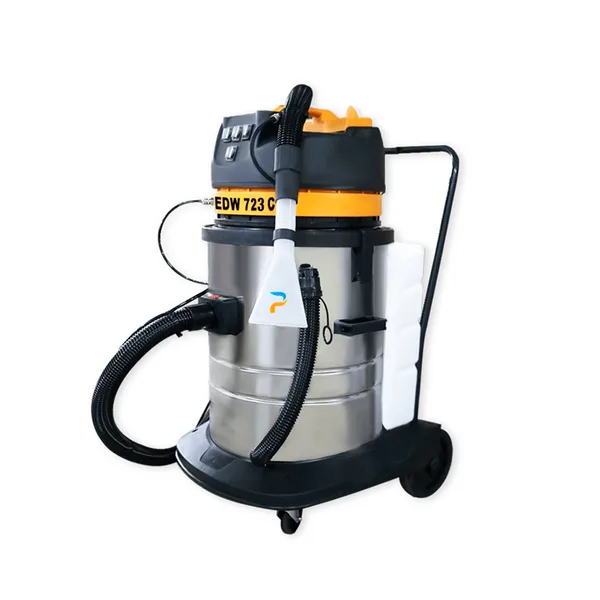
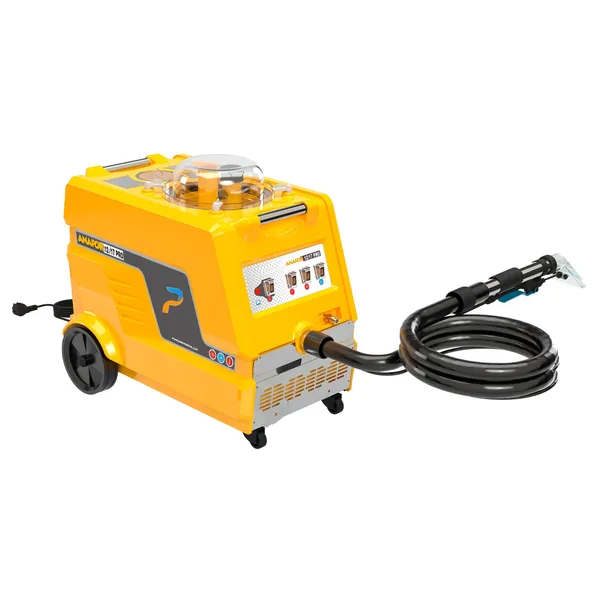
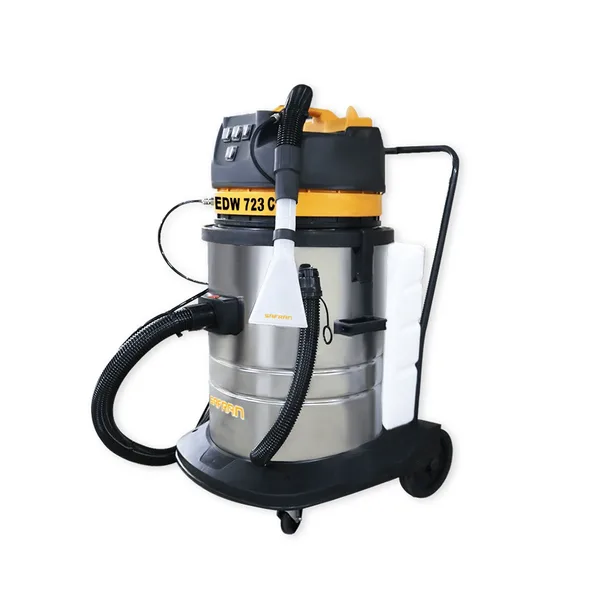
Which model suits your work?Tell us where you will use the machine and how much work it needs to handle each day; we will help you assess the options.
Request a quote for my businessSelection and operating guides
Continue reading
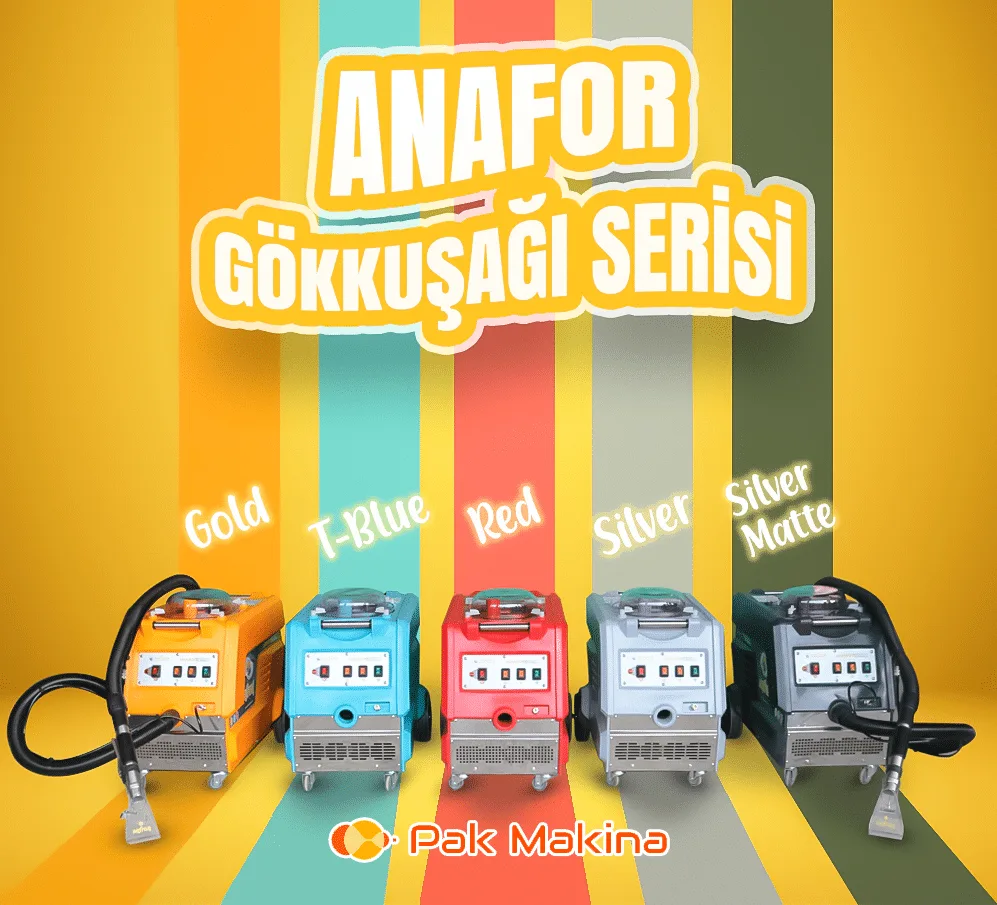
Upholstery Cleaning Machine Prices and Model Comparison
Compare PAK upholstery extractors, vacuum motor options, hot-water and steam systems. Check accessories, running costs and dated Türkiye price examples.
Read article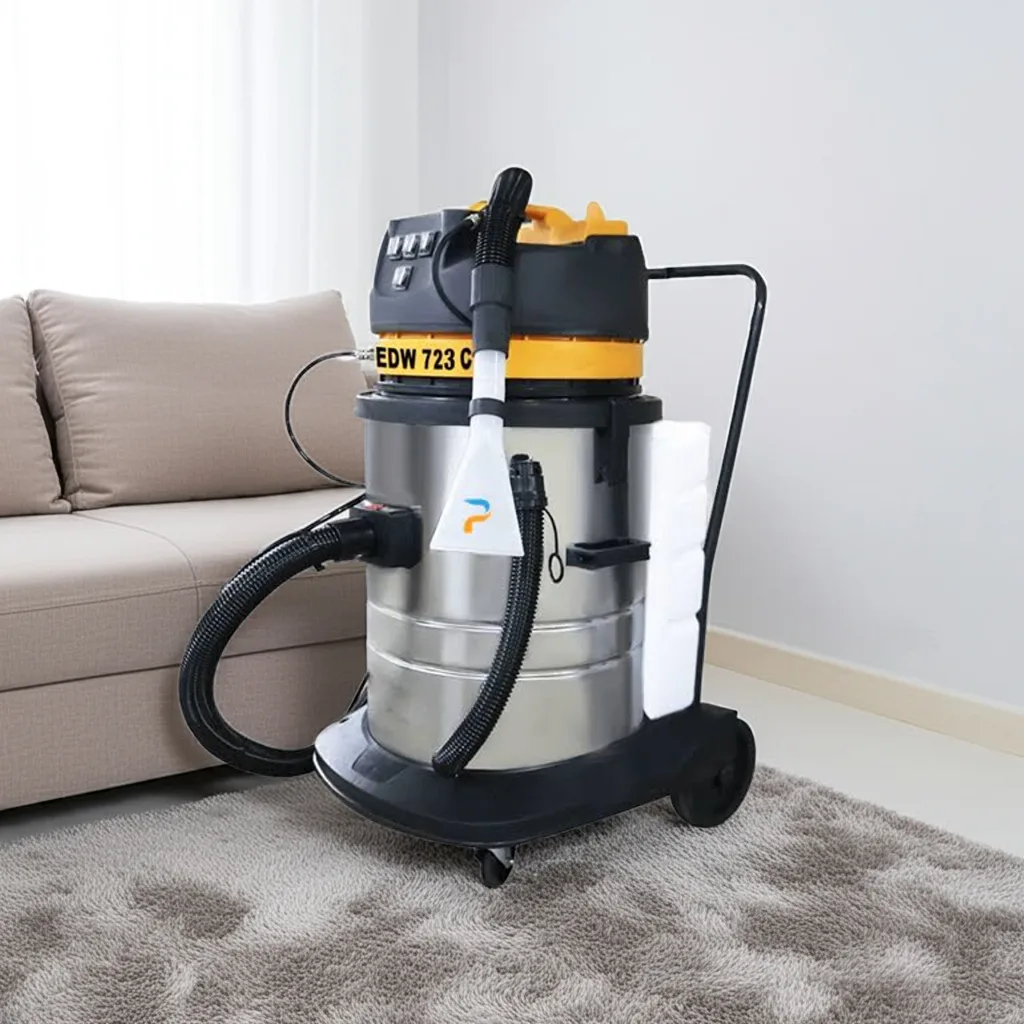
Three-Motor Professional Upholstery Extractors: Features and Benefits
Assess a three-motor upholstery extractor by vacuum recovery, tank capacity, tools, handling and service support. See where this configuration can be useful.
Read article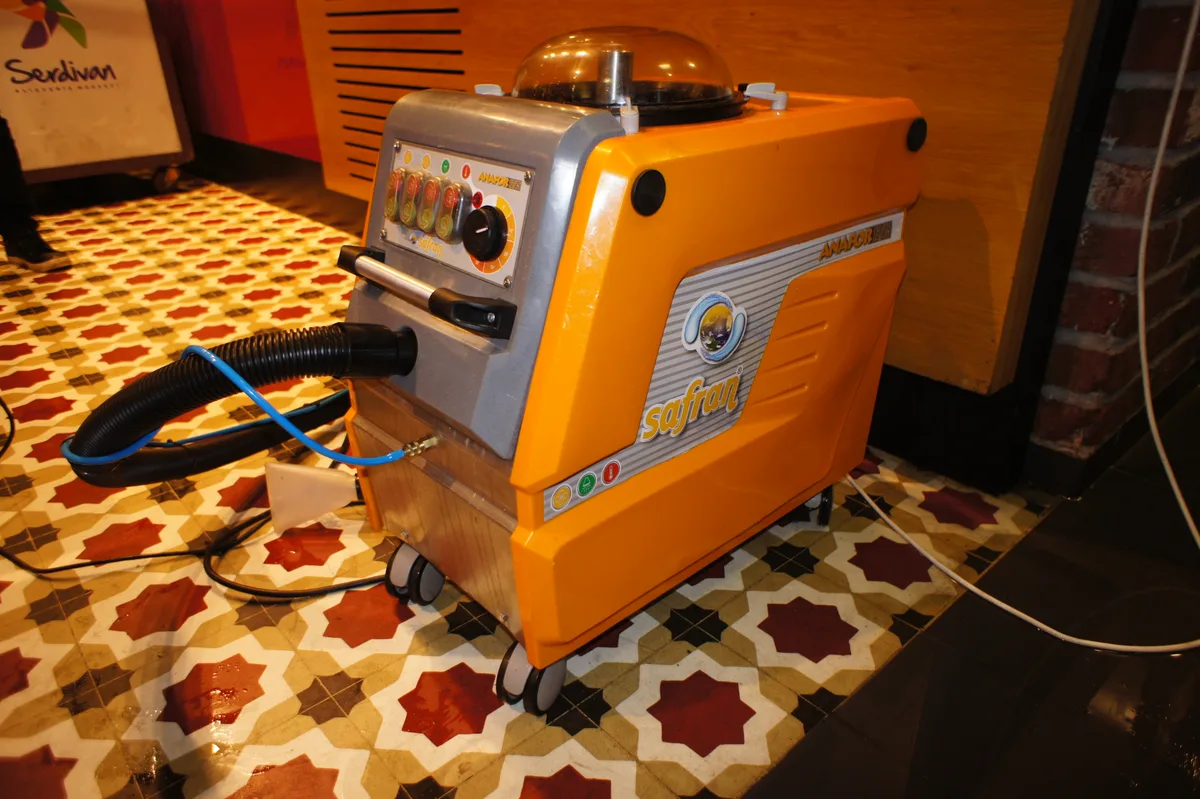
Safran Anafor 12/16 Upholstery Cleaning Machine
Read the historical Anafor 12/16 specifications, attachments and operating steps. Check current ratings, price and safety documentation before purchase.
Read article