
Choosing a Mosque Vacuum Cleaner for Large Carpeted Areas
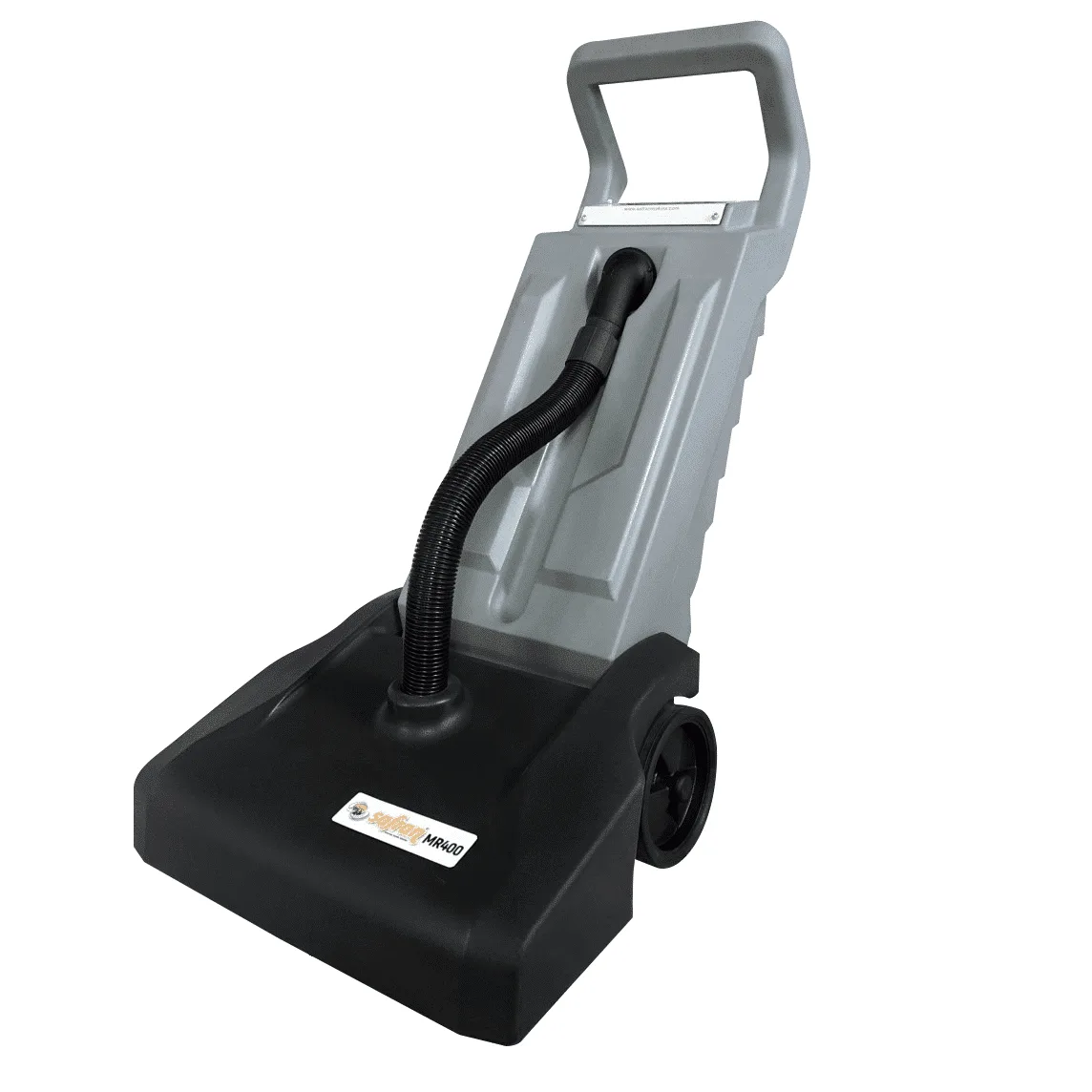
Choosing a vacuum cleaner for a mosque requires more than a high motor-power rating. Consider the large carpet area, cleaning hours, prayer schedule, noise expectations and fine-dust load together. A suitable machine reduces operator effort and makes regular cleaning easier to organise.
This guide explains the technical details that matter when selecting a vacuum for mosques, prayer rooms, dormitories and large carpeted halls.
Why is mosque cleaning different?
Mosque carpets often form a large, continuous surface. Even without shoes being worn indoors, fine dust carried from outside, textile fibres and hair settle within the pile. Areas around columns, between prayer rows, at entrances and near shoe storage collect different levels of soil. Frequent, planned vacuuming therefore works better than relying only on occasional intensive cleaning.
A heavy machine is harder to manoeuvre over a large area. A short cable or narrow nozzle lengthens the task, while a noisy model restricts available cleaning times. Base the choice on the real operating pattern as well as the technical figures.
Seven criteria for choosing a mosque vacuum cleaner
- Suction and airflow: Balanced performance is needed to collect fine dust from carpet. Wattage alone does not establish cleaning performance.
- Filtration: Prefer an appropriate filter system that limits the return of fine dust to the room, is easy to maintain and has available replacements.
- Noise level: Low-noise options provide greater flexibility in spaces used throughout the day.
- Nozzle width: A wide head reduces cleaning time across open prayer rows; narrow tools are also needed around columns and corners.
- Cable length and working reach: Assess sufficient reach to reduce socket changes alongside safe cable management.
- Body and wheels: Wheels that move smoothly over carpet and a stable body reduce operator effort.
- Servicing and consumables: Availability of filters, hoses, nozzles and motors is important for long-term use.
Which machine type suits the space?
| Requirement | Suitable approach |
|---|---|
| Small prayer room or section | A compact, easily carried, low-noise model |
| Medium-sized mosque | A wide nozzle, sufficient collection capacity and easy manoeuvring |
| Large mosque complex or heavy use | Commercial durability, long working reach and dependable servicing |
| Fine-dust sensitivity | An appropriate filter system with a regular maintenance plan |
Explore current options on the mosque vacuum cleaners page, or compare the wider range in the industrial vacuums category.
Dry vacuum or wet/dry model?
If the main task is dry dust collection from carpet, a low-noise dry vacuum with suitable filtration may be sufficient. Wet/dry models offer advantages where liquid pickup is required at entrances, in multipurpose halls or on other floor types. Choosing a large, heavy machine simply because it is described as more powerful can make routine mosque cleaning harder.
Why do attachments matter?
A wide-area head reduces time across open prayer rows but cannot reach every wall edge, prayer niche, space between columns or area beneath radiators. Include an appropriate wide carpet head, crevice tool and brush attachment. Excessive nozzle drag tires the operator; insufficient contact may reduce dust collection.
Hose resistance to crushing and airtight connections also affect actual suction. Storing attachments on the machine or in a separate organised carrier prevents loss during daily work. Compare the supplied accessory list as well as the machine before buying.
Setting up the cleaning schedule
- Check entrances and busy routes daily.
- Vacuum open prayer rows in systematic strips.
- Schedule crevice-tool cleaning around columns, walls and beneath radiators.
- Check filters and bags to a schedule, rather than only when full.
- Do not leave cables across routes; plan cleaning around the movement of people.
Why does suction decrease?
Common causes include a full bag or tank, dirty filters, a blocked hose and air leaks. Check the airflow path before assuming a motor fault. Washing a filter using an unapproved method or refitting it wet can reduce performance and damage the motor.
Frequently asked questions
How many motors does a mosque vacuum need?
Area alone does not determine motor count. Consider daily operating time, carpet construction, noise expectations, machine weight and nozzle width together.
Does every mosque need a HEPA filter?
A high-efficiency filter can help where fine-dust control is important. Filter class, system sealing and regular maintenance all matter; a HEPA label alone is not sufficient.
Can a domestic vacuum be used?
It may be suitable for a small area. Larger mosques can require operating time, cable reach, head width, collection capacity and commercial durability beyond a domestic appliance's intended duty.
Prepare these details: Approximate carpet area, daily cleaning time, floors or levels, socket locations and noise requirements. This information helps select a suitable model.
Continue reading
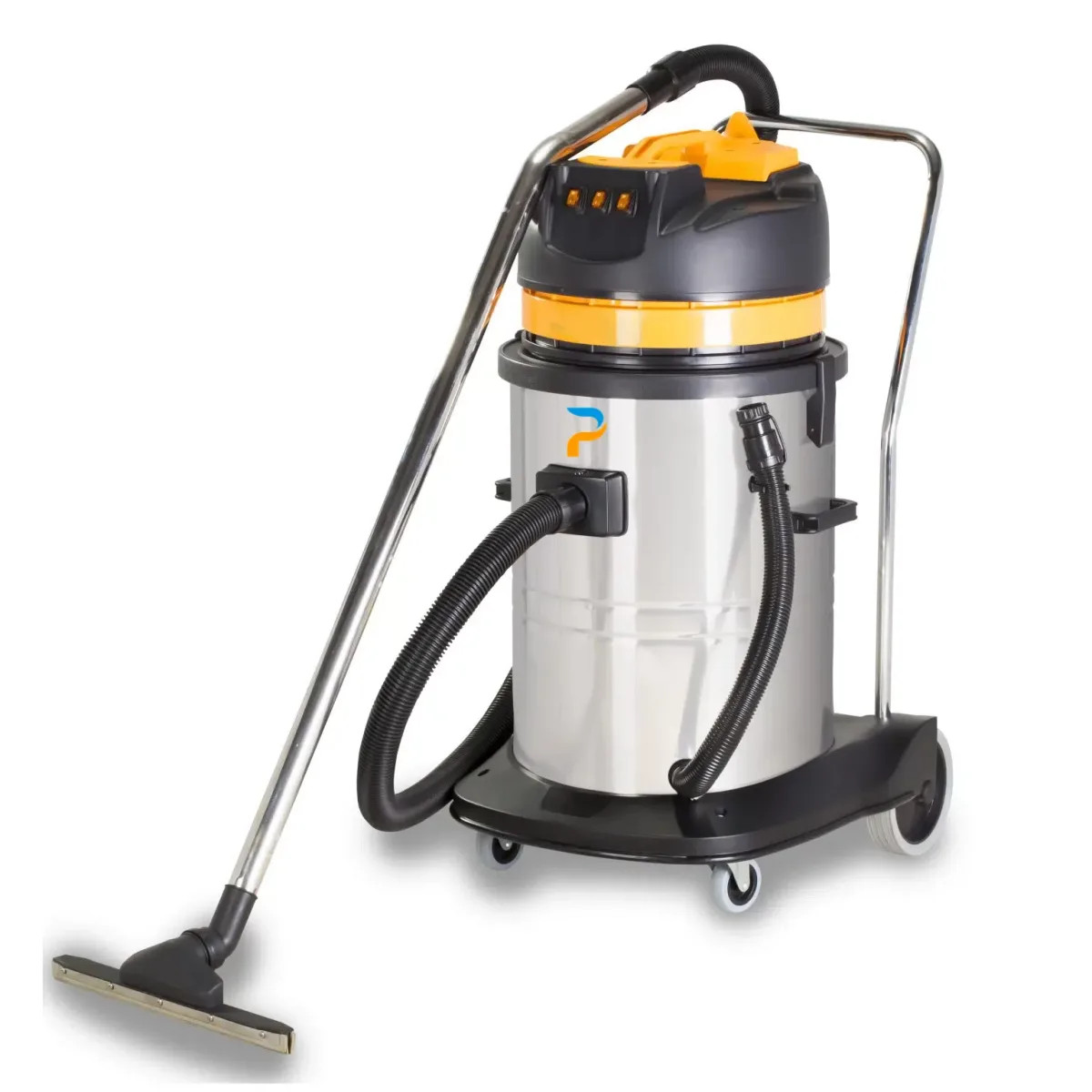
Industrial Vacuum Cleaner Prices and Model Comparison
Compare industrial vacuum prices by tank, motors, filtration and supplied accessories. Review PAK 723 models, warranty and quotation scope.
Read article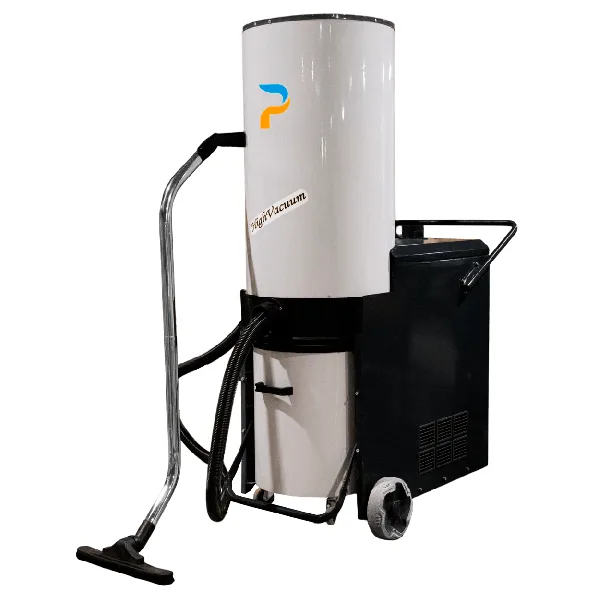
Induction-Motor Industrial Vacuums: When to Consider Them
Compare induction-motor industrial vacuums with commutator-motor designs. Check rated duty, noise, filtration, maintenance and the actual workload.
Read article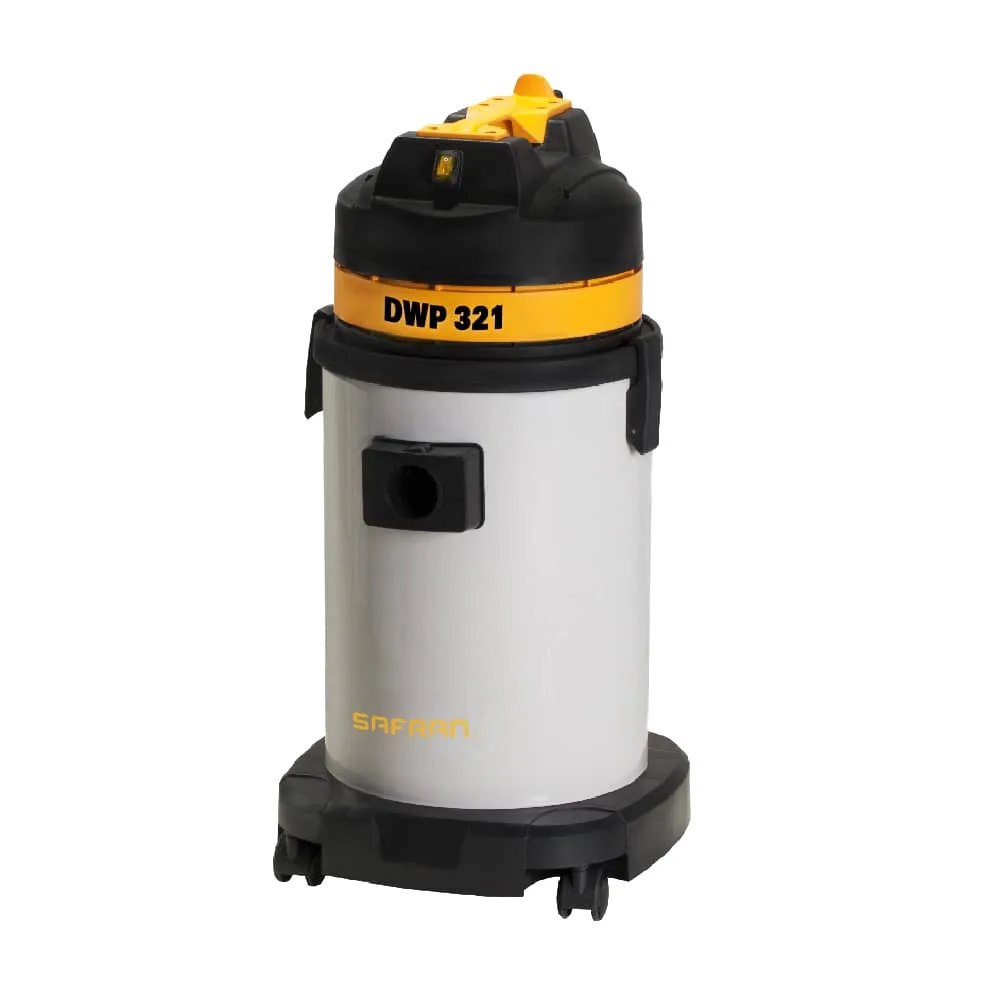
Vacuum Cleaning Options for Workshops and Garden Tasks
Choose workshop or garden vacuum equipment for the actual debris, environment and operating requirements. Check outdoor suitability, handling and noise data.
Read article