
Induction-Motor Industrial Vacuums: When to Consider Them
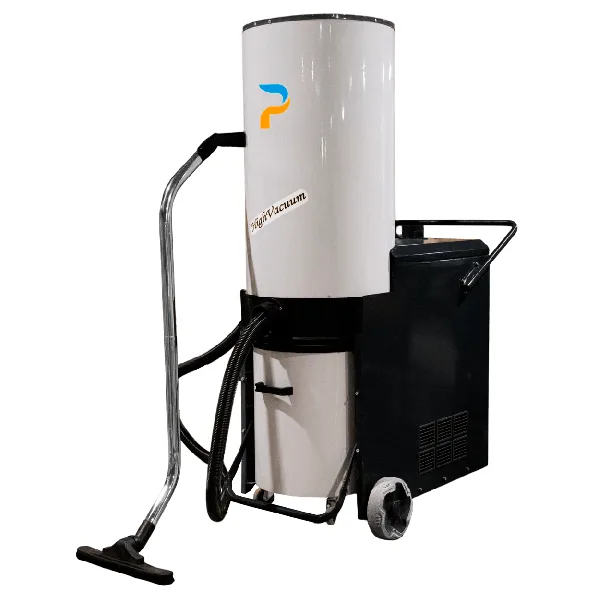
Motor design affects an industrial vacuum's operating characteristics and maintenance requirements. Induction-motor vacuums are one option for sustained workloads, but suitability depends on the complete machine's rated duty and configuration. Which businesses should consider them?
What is an induction motor?
An induction motor, also called an asynchronous motor, uses a different operating principle from a commutator motor. Suitable designs can support sustained operation without commutator-brush maintenance. Efficiency and duty rating must be checked for the specific motor and machine.
Comparing motor types in industrial vacuums
Commutator motor: Often found in compact or lower-initial-cost vacuum configurations. Service life depends on design, use and maintenance; it is not automatically short.
Induction motor: May be selected for demanding sustained work. Purchase cost, noise and service life vary by configuration.
For intensive use, compare complete-machine ratings rather than motor type alone.
Characteristics to assess
Approval and rating for continuous operation
Measured operating noise of the complete machine
Required motor and machine maintenance
Efficiency and total energy consumption for the job
Expected service life under the stated workload
Which businesses may benefit?
Factories: Production areas with sustained cleaning requirements.
Warehouses: Large areas requiring longer operating periods.
Hospitals and hotels: Settings where suitable filtration, noise control and reliable operation matter.
Checking PAK Makina configurations
The original article refers to PAK Makina induction-motor options. Ask for the exact currently available model and its duty rating, suction specification, filtration and support arrangements before assuming availability or suitability.
Select around the rated workload
An induction-motor configuration may suit intensive industrial work when the complete machine is rated for that use. Review the operating conditions and specification with the supplier before purchasing.
Continue reading
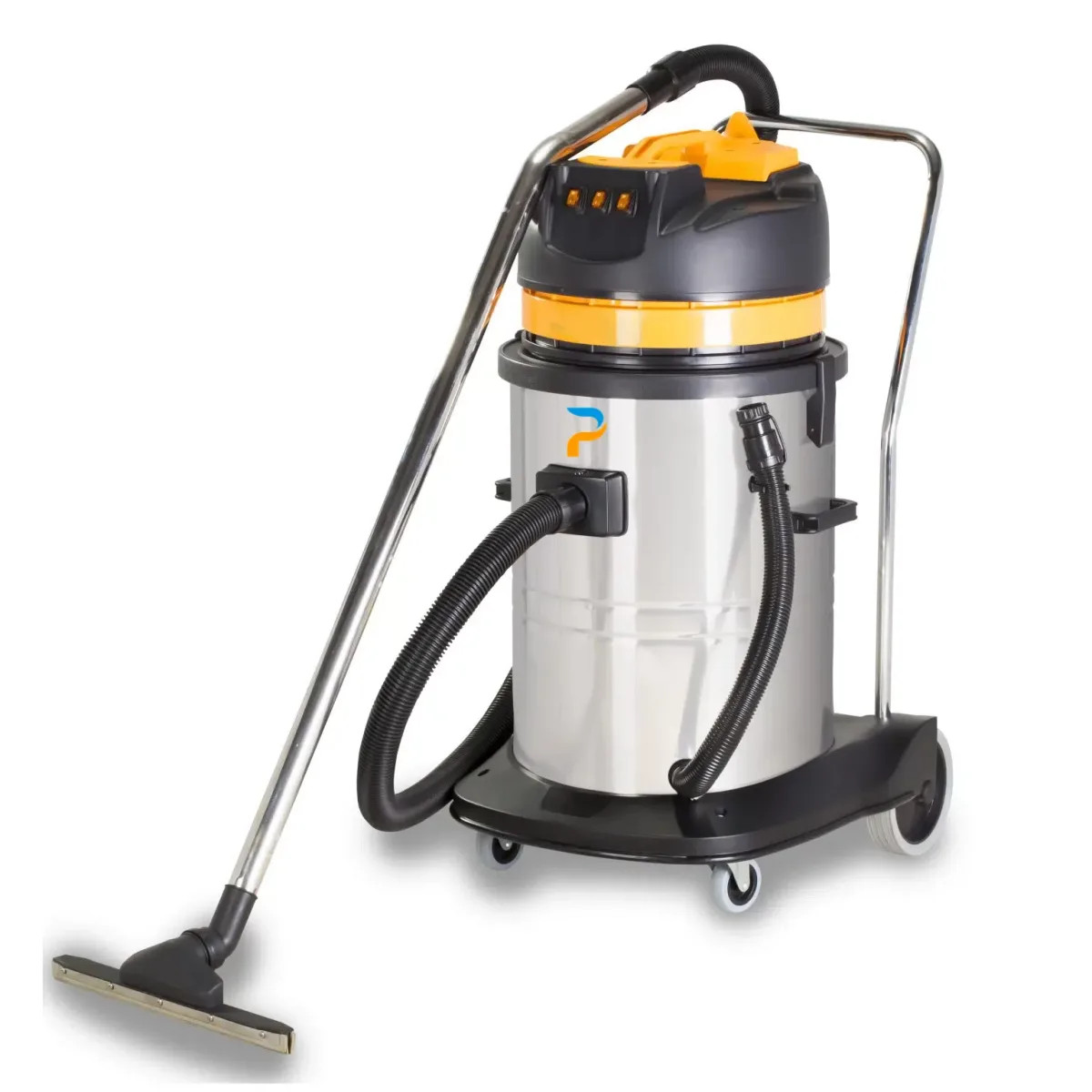
Industrial Vacuum Cleaner Prices and Model Comparison
Compare industrial vacuum prices by tank, motors, filtration and supplied accessories. Review PAK 723 models, warranty and quotation scope.
Read article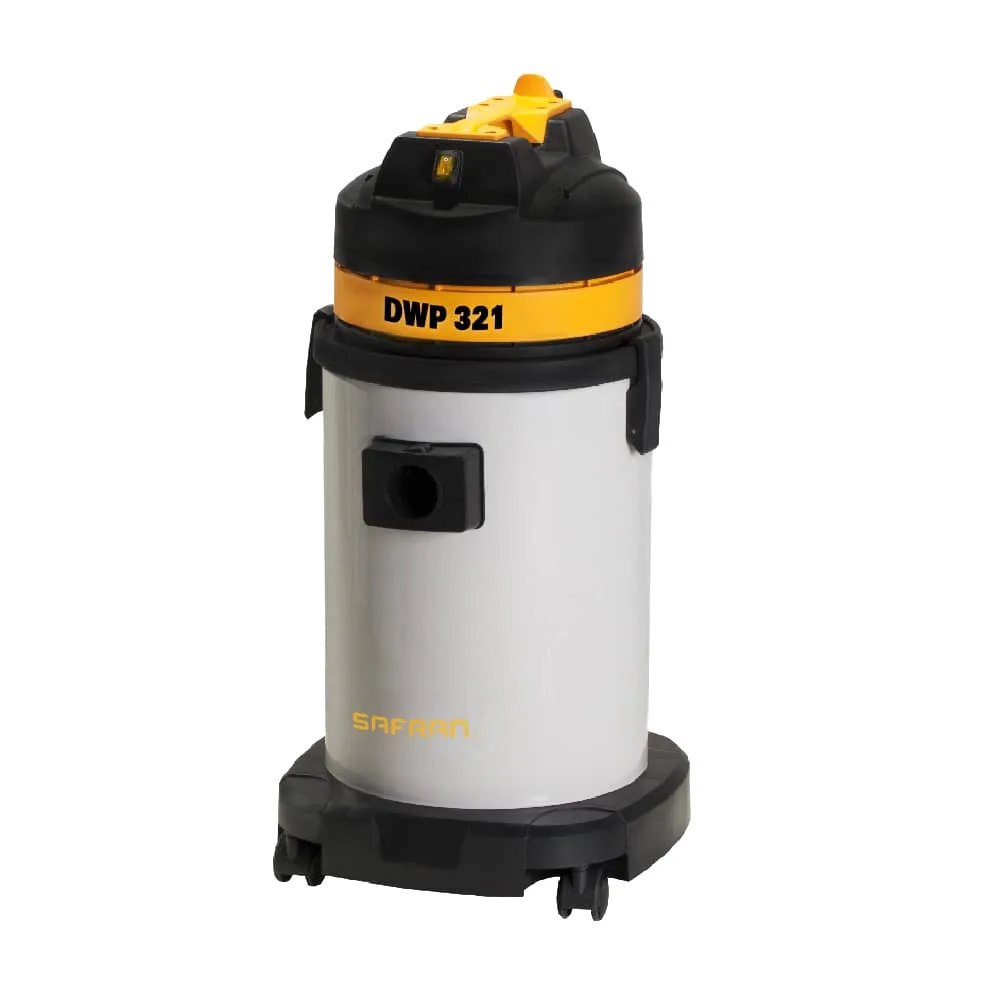
Vacuum Cleaning Options for Workshops and Garden Tasks
Choose workshop or garden vacuum equipment for the actual debris, environment and operating requirements. Check outdoor suitability, handling and noise data.
Read article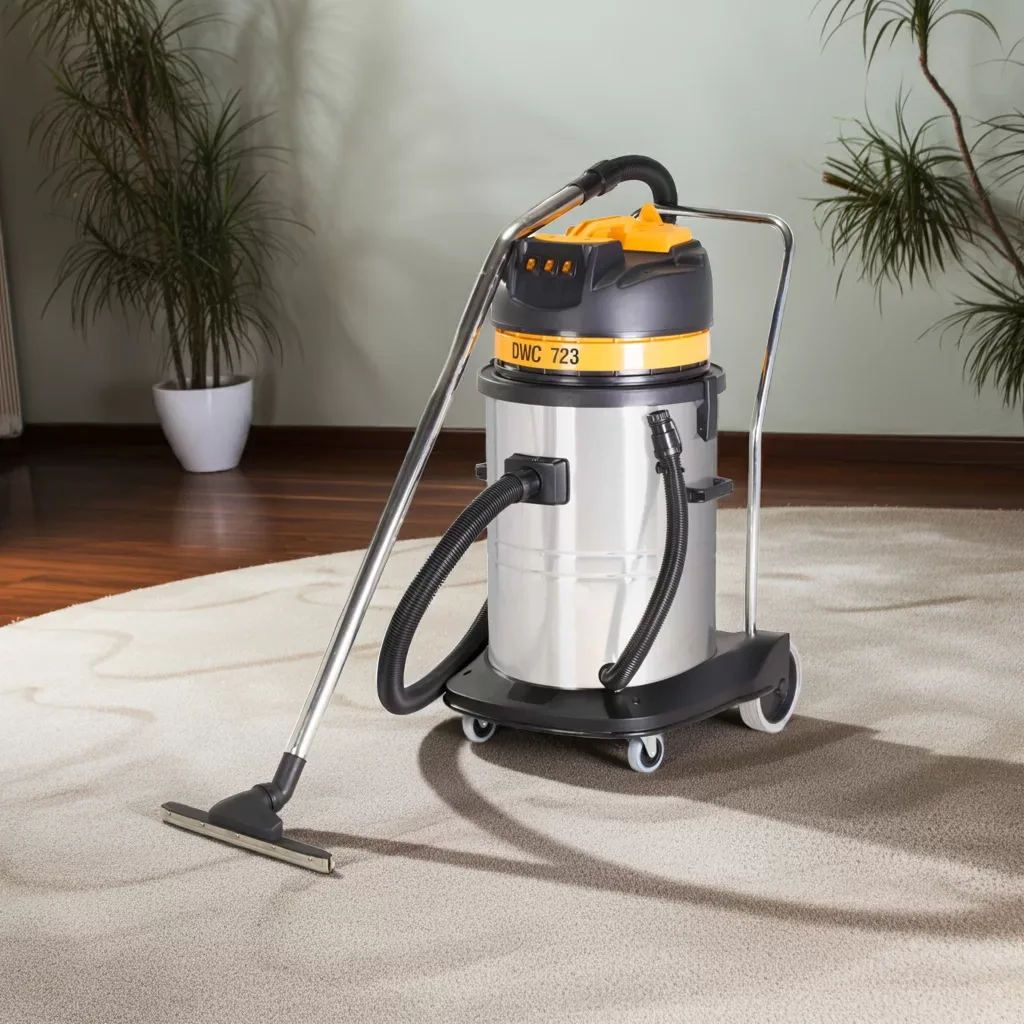
What Is an Industrial Vacuum Cleaner? A Practical Selection Guide
Select an industrial wet and dry vacuum cleaner by debris type, filtration, tank capacity, accessories and operating limits—not motor watts alone.
Read article