
What Is an Industrial Vacuum Cleaner? A Practical Selection Guide
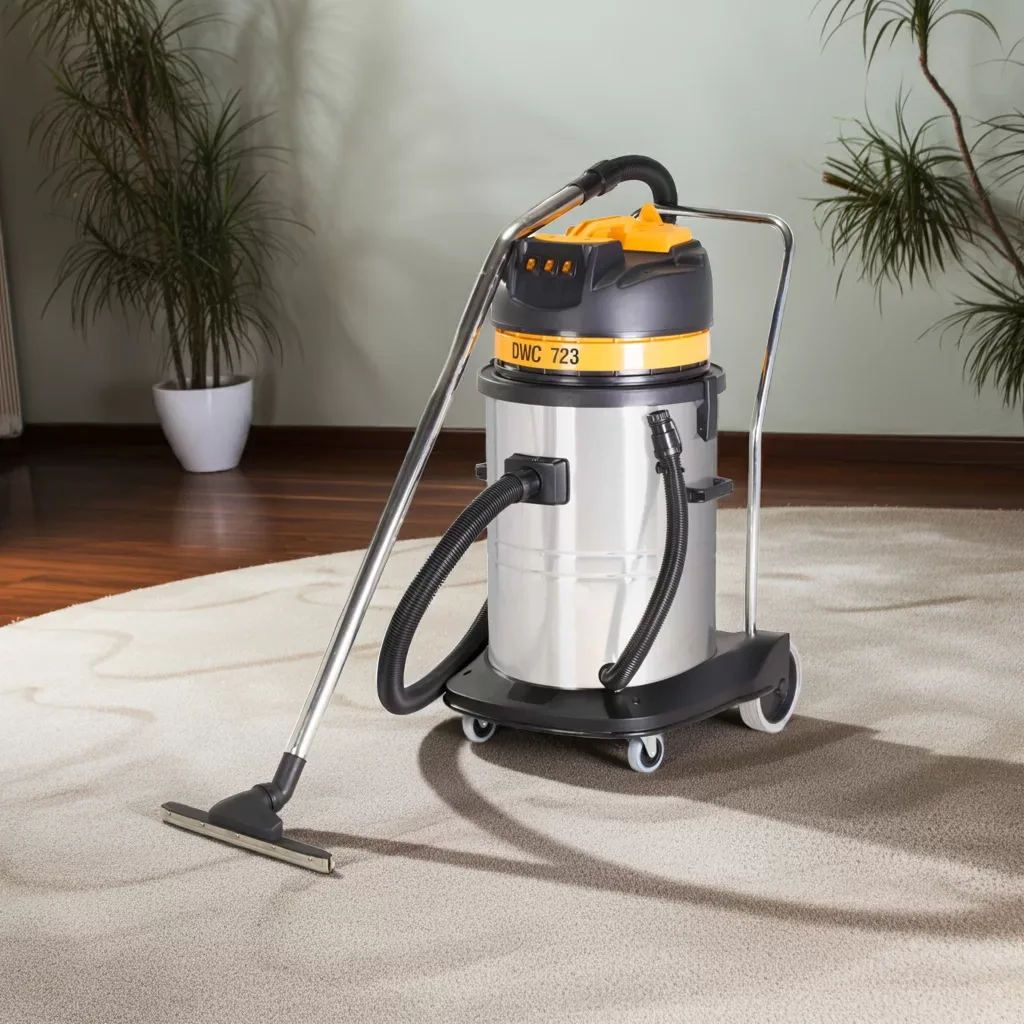
Before choosing an industrial vacuum cleaner, decide what it will collect: everyday dry debris, standing water, sand in vehicle interiors or dust that requires specialised filtration. Two machines with the same tank volume or motor count may not suit the same task because their tools and filters differ. This guide helps you shortlist the right equipment from the industrial vacuum cleaner range.
Which vacuum cleaner type should you consider for each task?
| Requirement | First option to consider | Check before buying |
|---|---|---|
| Collecting everyday dry debris and permitted liquids in separate operations | Industrial wet and dry vacuum cleaner | Liquid-collection suitability, filter changes and tank-emptying instructions |
| Vacuuming vehicle mats, between seats and inside the boot | Car wash vacuum cleaner | Hose reach, crevice tools and daily operating pattern |
| Dry cleaning where filtration is a priority | HEPA-filtered models | Filter class, sealing, dust characteristics and the machine's conformity documentation |
| Hotels, offices or large carpeted communal areas | Hotel and mosque vacuum cleaners | Surface-compatible tools, handling, noise information and cleaning hours |
| Defined everyday debris in factories, warehouses and workshops | Professional vacuum equipment suitable for the debris | Material hazards, filter and body compatibility, access dimensions and conformity documents |
Vacuuming a sofa and cleaning it with sprayed detergent solution are different operations. For extraction cleaning, assess upholstery cleaning machines with a pump and liquid-recovery system. Not every vacuum cleaner that collects liquids is an upholstery extractor.
What do 1000, 1200, 1800 or 2000 watts tell you?
Watts describe the motor's electrical power input. They are not, on their own, a measure of suction performance, cleaning results or filtration quality. Compare the declared vacuum and airflow, hose configuration, tools and filter conditions when assessing machines with the same wattage. Also ask whether the figures were measured under comparable conditions.
Do not choose between single-, twin- and three-motor models using total wattage alone. Daily operating time, the selected model's instructions, electrical supply and collection requirements matter. A larger number does not mean that a small business necessarily needs a three-motor machine.
If you are considering multiple motors for a car wash or factory, read the three-motor vacuum selection checklist. Confirm any requirement for continuous operation against the manufacturer's instructions and the appropriate motor system.
Do PAK 321 C, 723 C and 723 K perform the same task?
Read the model code together with the intended operation. PAK 321 C and PAK 723 C are wet and dry vacuum cleaners. PAK 723 K is a professional vehicle upholstery extractor. Similar model codes do not establish that the pumps, tools and operating arrangements are the same.
For car wash applications, see PAK 723 O; for a filtration option, see PAK 723 H. Compare each model's current specification and supplied accessories on its own product page.
The available product information lists one motor, 1200 W and 32 litres for PAK 321 C, and three motors, 3600 W and 72 litres for PAK 723 C. These figures describe different motor and tank configurations; do not use wattage as a synonym for suction. Confirm current technical information and operating limits on the selected product page.
Choosing tank capacity and body construction
Assess tank capacity alongside the amount of material collected during a cleaning round and safe emptying procedures. A larger tank can reduce emptying frequency, but filled weight, narrow doorways and storage space also matter. Do not assume that the liquid-collection limit equals the nominal tank volume for dry material.
When comparing plastic and chrome-finish tanks, consider the environment, handling, impact exposure and compatibility with the collected material. The body material alone does not guarantee resistance to every chemical. Read the chrome-finish versus plastic tank comparison for more detail.
Filter and accessory compatibility
Do not choose a filter by a label alone. Consult the model's instructions for the filters and bags required in dry use, any changes needed before liquid collection, and permitted cleaning methods. An incorrect component or loaded filter can affect pickup performance.
“HEPA” does not mean that every hazardous dust can be collected safely by the same machine. Assess the material, complete machine, filter class and documentation together. Explore compatible options through the filter selection guide and spare parts and accessories.
Safe use and maintenance
- Do not assume that flammable, explosive, hot, sharp or corrosive material is suitable for a standard vacuum cleaner. Assess tasks requiring specific certification and manufacturer approval separately.
- Inspect cables, connections, hoses and filters before use; do not operate with damaged components.
- Disconnect the power before emptying the tank or cleaning filters, and follow the model's instructions.
- If suction falls or unusual noise develops, inspect the filter and hose. Do not make unauthorised repairs to the motor or electrical equipment.
For maintenance and suction issues, use the loss-of-suction troubleshooting guide. Daily cleaning schedules, spare filters and the correct tools are part of the purchasing decision.
Information to prepare before purchasing
- Identify the surfaces and the debris or liquid to be collected.
- Record daily operating time, socket positions, handling requirements and narrow access dimensions.
- Specify the hose length and tools needed.
- Ask about compatible filters, bags and other consumables, and their availability.
- Compare purchase price, accessory package, warranty and service terms within the same quotation.
Read the industrial vacuum cleaner price guide for pricing comparisons and the application guide for workplace selection. You can review your shortlist with the PAK Makina team.
Continue reading
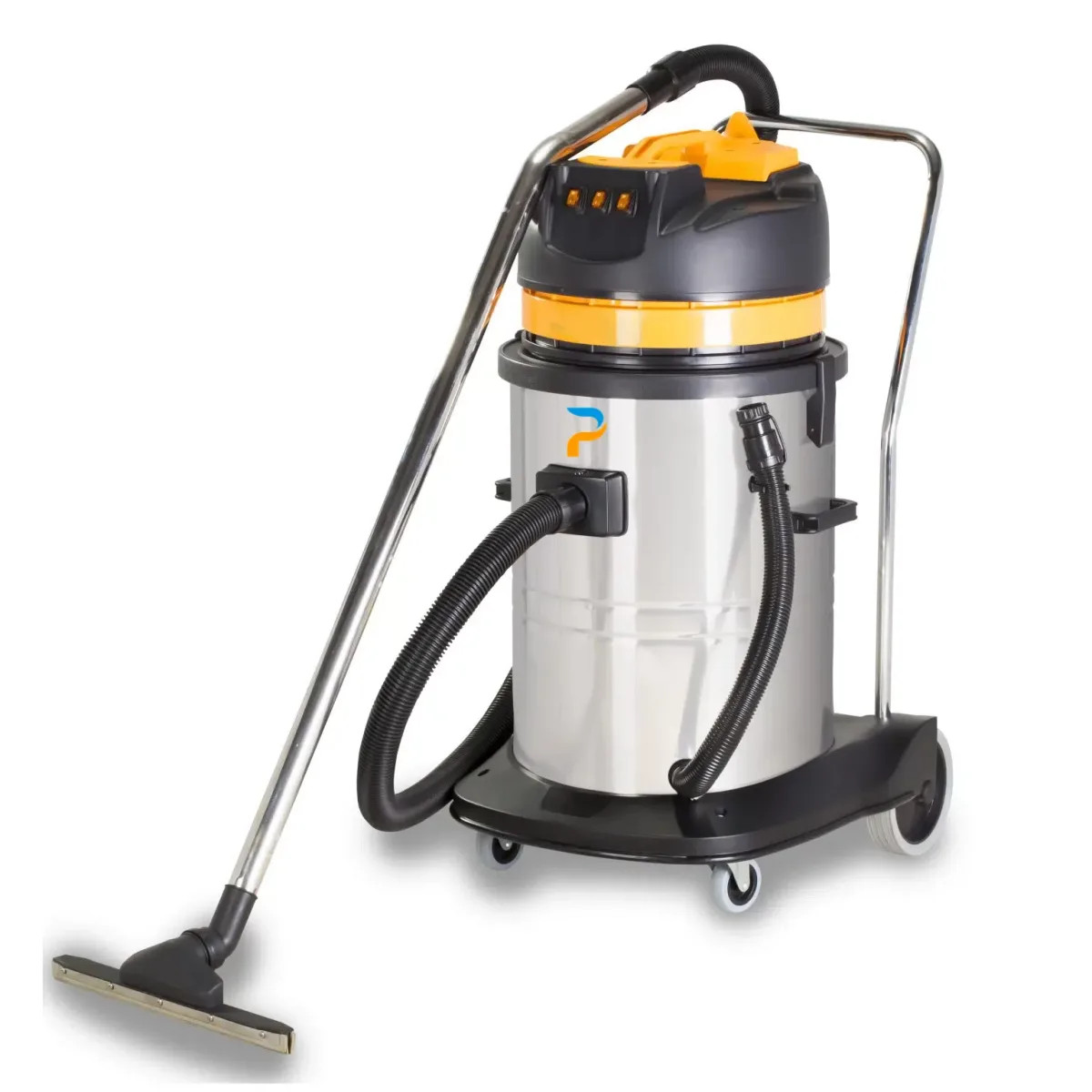
Industrial Vacuum Cleaner Prices and Model Comparison
Compare industrial vacuum prices by tank, motors, filtration and supplied accessories. Review PAK 723 models, warranty and quotation scope.
Read article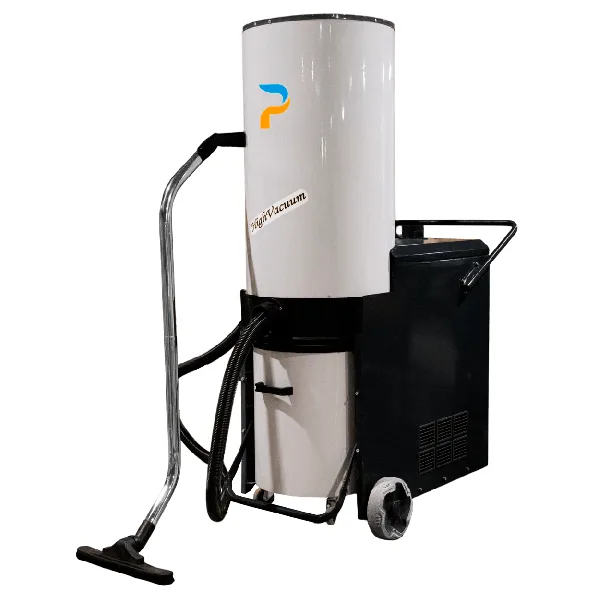
Induction-Motor Industrial Vacuums: When to Consider Them
Compare induction-motor industrial vacuums with commutator-motor designs. Check rated duty, noise, filtration, maintenance and the actual workload.
Read article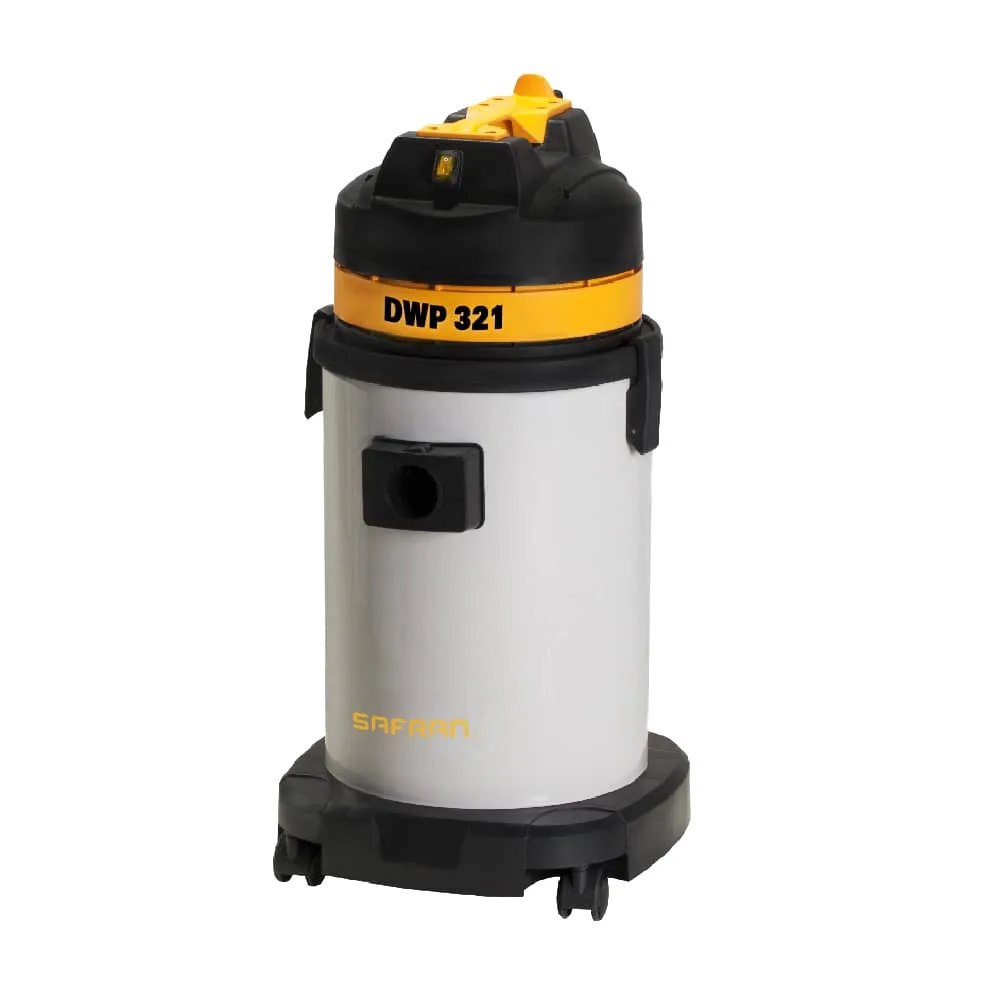
Vacuum Cleaning Options for Workshops and Garden Tasks
Choose workshop or garden vacuum equipment for the actual debris, environment and operating requirements. Check outdoor suitability, handling and noise data.
Read article