
Industrial Vacuum Cleaners: Selection, Maintenance and Troubleshooting
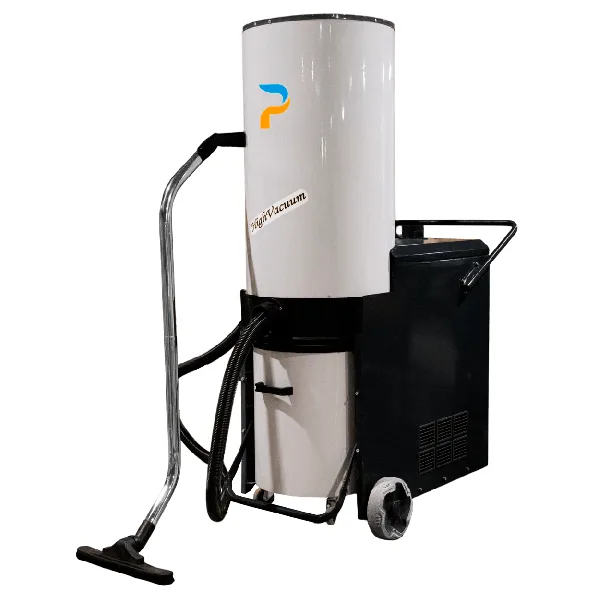
Industrial vacuum cleaners are professional cleaning machines built for demanding work, with robust construction and suction systems suited to commercial workloads. Compared with many domestic vacuums, they offer larger tanks, more durable components and motor configurations designed for use in factories, workshops, construction environments and large commercial premises.
What distinguishes an industrial vacuum cleaner?
- Motor input and suction performance: Many industrial vacuums have motor inputs above 1000 W, with some configurations reaching 3000 W. Electrical input is not a direct measurement of suction: airflow, vacuum pressure, filtration and the complete suction path determine how effectively a suitable model collects dirt, dust or liquids.
- Larger collection tanks: Compared with domestic vacuums, larger dust and liquid tanks reduce the frequency of emptying. Depending on the model, capacities may range from 20 litres to 100 litres.
- Durable construction and materials: Bodies, hoses and accessories are designed to withstand demanding conditions, including impacts and wear. Chemical compatibility must be checked for the particular material and substance; a robust body does not mean that every chemical can be collected safely.
- Filtration for the material being collected: Different filtration systems suit different dusts and applications. A correctly specified HEPA filter can capture fine particles, but the complete machine and filter arrangement must be suitable for the hazard. Wet/dry models can collect dry debris and compatible liquids when configured as instructed.
- Versatile accessories: Suitable tools support cleaning on carpet, concrete, wood and tiled surfaces. Crevice tools, brushes and other attachments help operators reach confined areas.
Applications
Industrial vacuums are used across a wide range of workplaces:
- Factories and production facilities: Collection of suitable production residues, dust and spilled material.
- Construction sites: Post-construction cleaning and collection of suitable debris and dust. Hazardous construction dust requires a machine and dust classification specified for that material.
- Workshops and repair facilities: Collection of compatible metal swarf, oil residues and other contamination, subject to the machine's operating limits.
- Car washes and detailing centres: Vehicle cleaning with the appropriate interior or exterior tool.
- Warehouses and logistics centres: Efficient cleaning of large working areas.
- Schools, hospitals and hotels: Cleaning programmes where hygiene, filtration and suitability for the area matter.
- Shopping centres and large stores: Floor cleaning and routine maintenance over extensive areas.
What to check before selecting an industrial vacuum
- Motor input (W): Check that the complete machine delivers the suction performance and duty rating required for the workload, rather than choosing by watts alone.
- Tank capacity (litres): Select a useful capacity that avoids unnecessary emptying while remaining practical to move and empty safely.
- Filtration: Match the filter system, such as a cartridge or a specified HEPA arrangement, to the material and work environment.
- Wet/dry capability: If liquid collection is required, choose a model approved for wet use and follow its filter-change instructions.
- Noise level (dB): Consider noise, particularly when working indoors or around other people.
- Accessories: Confirm that suitable floor tools and attachments are supplied or available.
- Brand and warranty: Review the manufacturer's support, warranty terms and service arrangements.
A correctly selected industrial vacuum can improve cleaning efficiency and support workplace hygiene. Its value depends on matching the equipment to the actual materials, operating conditions and maintenance requirements.
Industrial vacuum cleaner maintenance and cleaning
Regular cleaning and preventive maintenance help an industrial vacuum maintain performance over its service life. Appropriate care reduces avoidable faults and keeps the machine hygienic between jobs.
Routine maintenance steps
Empty the tank regularly
- Empty the dust container before the contents reach the maximum fill level.
- An overfilled container can reduce performance and interfere with safe operation.
- Empty and clean liquid tanks after each use.
Clean and replace filters
- Filters are essential to the vacuum's operation. Inspect them regularly, clean them as specified and replace them when necessary.
- Washable filters: Wash only filters explicitly identified as washable. Allow them to dry completely before refitting; never use a damp filter for dry collection.
- Cartridge filters: Use the cleaning method stated in the manual. Do not use compressed air unless the manufacturer expressly permits it, since it can damage the filter or disperse hazardous dust. Replace worn or persistently blocked filters.
- HEPA filters: Many HEPA filters are not washable. Follow the stated inspection and replacement interval for the exact filter fitted.
Clean hoses and accessories
- Inspect hoses and tools for blockages, cracks and other damage.
- Clear accessible blockages using the manufacturer's approved method; avoid dispersing collected dust with compressed air.
- Where permitted, wash detachable hoses and accessories with water and a mild detergent, then dry them as required.
Clean the exterior and protect the motor
- Wipe the exterior with a damp cloth without allowing water into the motor housing.
- Keep ventilation openings clear to help prevent overheating.
- Store the cleaned machine in a dry place when it will not be used for an extended period.
Carry out regular inspections
- Inspect the power cable and plug. Do not use the machine if either is damaged.
- Check that wheels and other moving parts operate correctly.
- If unusual noise or vibration develops, stop using the machine and contact an authorised service provider.
Practical reminders
- Read the operating manual: Maintenance procedures differ between models. Follow the instructions for your particular vacuum.
- Use compatible cleaning materials: Avoid abrasive chemicals or harsh tools that could damage components.
- Disconnect before maintenance: Unplug the machine and follow the required safety precautions before cleaning or inspecting it.
Why routine care matters
Regular care directly affects performance and useful life. Consistent inspection, tank emptying and filter maintenance can prevent avoidable faults and reduce the risk of costly repairs.
Common industrial vacuum faults and first checks
The following checks help identify common operational problems. They do not replace electrical testing or repair by a qualified technician.
Safe troubleshooting
Heavy use and demanding conditions can occasionally cause faults. Perform only the user-accessible checks permitted by the operating manual. Disconnect the power before inspection, and refer serious or persistent faults to an authorised service provider.
1. Reduced suction
Possible causes
- A full dust container
- A blocked filter
- A blocked hose or tool
- A worn or damaged seal
- A motor fault
First checks
- Empty the dust container.
- Clean or replace the filter as instructed.
- Inspect the hose and accessories for blockages and clear accessible obstructions.
- Check seals and connections for air leaks.
- If the problem remains, contact service to assess the motor and other components.
2. Unusual noise or vibration
Possible causes
- Foreign material in the motor or fan area
- Worn or damaged motor bearings
- An uneven load or unstable positioning
First checks
- Switch off and unplug the machine. Inspect only accessible areas permitted by the manual; do not open the motor or fan housing yourself.
- If the noise continues, arrange a service inspection for possible bearing or fan damage.
- Make sure the machine is positioned on a level, stable surface.
3. Motor overheating
Possible causes
- Continuous use beyond the rated duty
- A blocked filter
- Insufficient ventilation
- A motor fault
First checks
- Respect the rated duty cycle and allow cooling periods where required.
- Clean or replace filters as specified.
- Check that ventilation openings are clear.
- If overheating recurs, stop use and contact service.
4. The machine does not start
Possible causes
- A power supply or connection problem
- A faulty on/off switch
- A motor fault
- A control board fault, where fitted
First checks
- Inspect the cable and plug for visible damage. If they are sound, check the supply using a suitable outlet; do not use a damaged machine.
- Check the normal operation of the on/off switch without dismantling it.
- If these checks do not resolve the problem, ask a qualified service technician to inspect the motor and controls.
5. Unpleasant smells
Possible causes
- A dirty or mould-contaminated filter
- Dirt or waste left in the tank
- An overheated or damaged motor
First checks
- Clean or replace filters as specified. Replace a mould-contaminated filter using the appropriate handling procedure.
- Empty and clean dust and liquid tanks.
- If there is a burning smell, stop the machine immediately, unplug it and contact service.
Important limitation
These checks address simple, common operational problems. Do not attempt internal electrical repairs yourself. To avoid electric shock or fire, refer serious faults to an authorised service provider.
About PAK Makina
PAK Makina is based in Türkiye and manufactures professional cleaning equipment. Its product range includes floor scrubber dryers, high-pressure washers and industrial vacuum cleaners.
Industrial vacuum configurations
Different models serve different workloads. The main configurations include:
- Wet/dry industrial vacuums: Models designed to collect dry debris and suitable liquids with the correct filter configuration.
- Dry-only industrial vacuums: Models intended for dry dust and solid debris.
- Stainless-steel tank vacuums: Durable tank construction for demanding use; chemical compatibility still requires confirmation for the specific substance.
- Single- and multi-motor models: One-, two- and three-motor configurations offer different operating characteristics. Compare airflow and vacuum performance as well as motor count.
Specifications and available features
The range changes over time. Confirm the exact specifications and supplied equipment on the current product page rather than assuming that every model has the same features.
- Motor input: Configurations described in the source range from 1200 W to 3600 W.
- Tank capacity: The source describes tanks from 30 litres to 90 litres; check the exact current model.
- Filtration: Options may include paper bags, cloth filters and cartridge filters.
- Tank material: Stainless-steel and plastic configurations are available.
- Accessories: Model-specific tools include crevice nozzles, carpet tools and liquid-pickup attachments.
- Features to confirm for the chosen model:
- Automatic filter cleaning
- A blowing function
- An antistatic hose
Price considerations
Industrial vacuum prices depend on the model, motor configuration, tank capacity, filtration and supplied equipment. Check the current specification and quote for a meaningful comparison.
Assessing a PAK Makina industrial vacuum
- Manufactured in Türkiye: Local manufacturing can offer practical value, depending on the specification and purchasing requirements.
- Parts and service: Consider how manufacturing location affects access to spare parts and support in your destination country.
- Range of models: A choice of configurations helps match the equipment to the workload.
Before purchasing
- Review relevant user feedback and product assessments.
- Study the technical specification against your actual cleaning task.
- Compare equivalent configurations from different manufacturers.
Use these checks to make an informed choice.
Choosing for your application
PAK Makina offers industrial vacuum configurations manufactured in Türkiye. The right choice depends on the material to be collected, required filtration, workload and support arrangements. Confirm those requirements before ordering.
Continue reading
Industrial Vacuum Cleaner Prices and Model Comparison
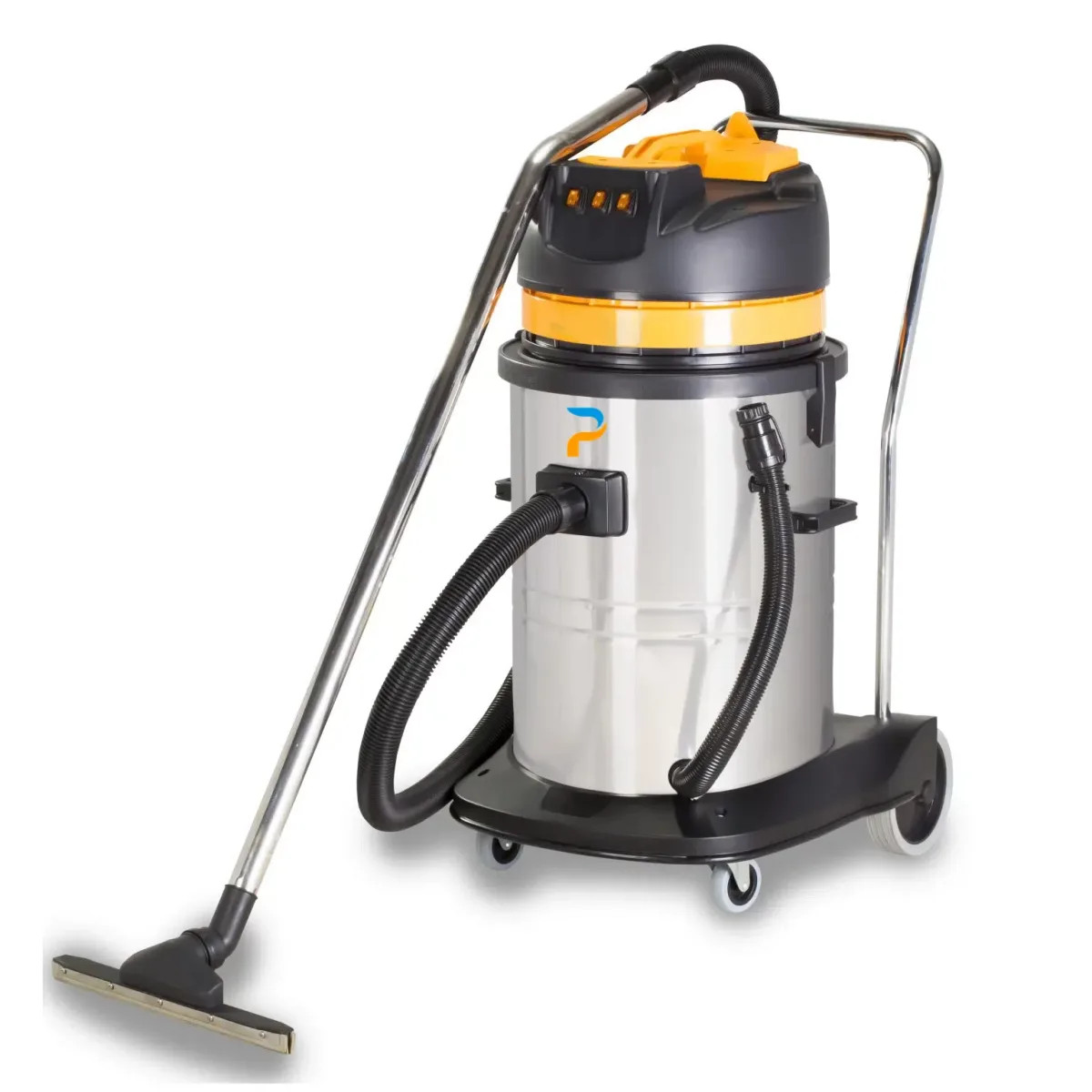
Compare industrial vacuum prices by tank, motors, filtration and supplied accessories. Review PAK 723 models, warranty and quotation scope.
Read articleInduction-Motor Industrial Vacuums: When to Consider Them
Compare induction-motor industrial vacuums with commutator-motor designs. Check rated duty, noise, filtration, maintenance and the actual workload.
Read article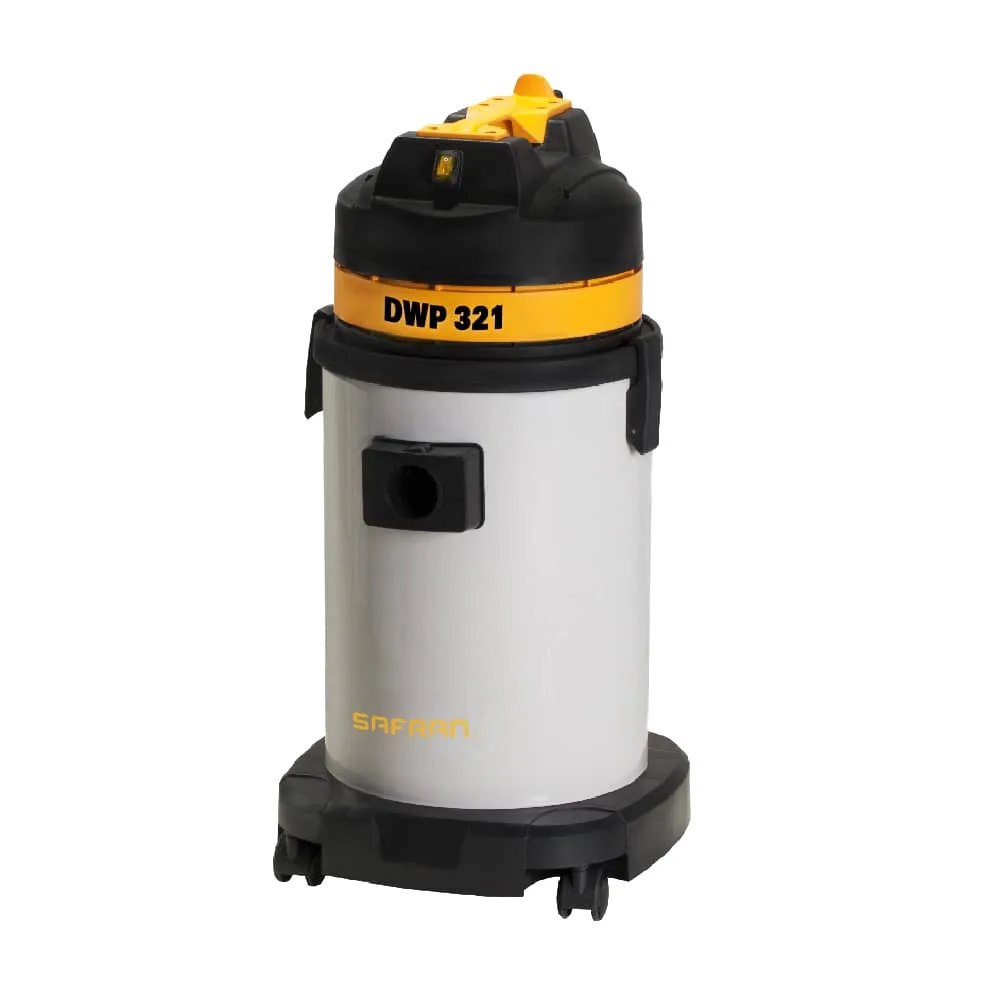
Vacuum Cleaning Options for Workshops and Garden Tasks
Choose workshop or garden vacuum equipment for the actual debris, environment and operating requirements. Check outdoor suitability, handling and noise data.
Read article