
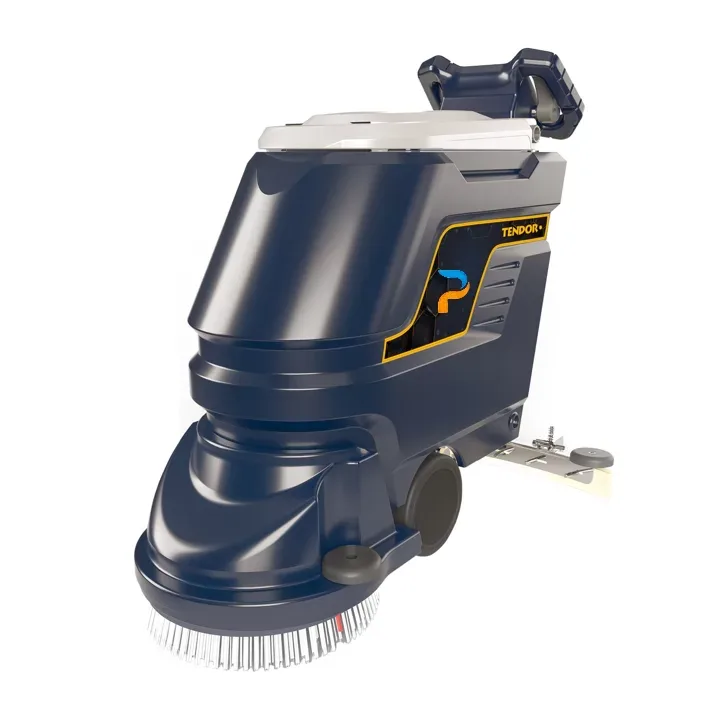
How do you choose industrial cleaning machines? Finding the right equipment for your business requires more than comparing catalogue specifications.
The choice directly affects investment and operating efficiency. Assess staff safety, long-term costs and workflow alongside technical performance.
Modern industrial machines may include advanced dosing controls, software and materials intended to reduce environmental impact. However, purchasing solely on price or appearance often leads to disappointing results. Underestimating capacity can slow operations, while oversized or unnecessarily complex equipment increases cost.
Begin with clear objectives. Which criteria matter most, and which machine types suit different industries?
Define the business need: questions to ask
Use these questions to establish the selection criteria:
- Which floor materials will be cleaned, and how large is the area?
- Will cleaning take place daily, weekly or monthly?
- Which chemicals will the cleaning process require?
- Which hygiene standards apply to the production or service operation?
Equipment needs vary with operating conditions. Hygiene may be the priority in a food plant, while durability and coverage of large areas may be more important in a warehouse.
Common types of industrial cleaning machine
The principal options are outlined below. The ranges reproduce broad examples from the source article; they are not verified specifications for every PAK product. Area ratings may be theoretical, and tank capacity or pressure cannot be directly compared with area coverage.
| Machine type | Applications | Indicative capacity or rating | Advantages |
|---|---|---|---|
| Automatic floor scrubber dryer | Factories and shopping centres | 2,000–12,000 m²/hour | Fast cleaning and controlled water recovery |
| Industrial vacuum cleaner | Offices, warehouses and hotels | 5–200 litre collection tank | Effective dust and particle collection with suitable filtration |
| Floor scrubber dryer | Schools and hospitals | 1,500–8,000 m²/hour | Low-noise options and straightforward operation |
| Pressure washer | Food facilities and suitable exterior surfaces | 100–500 bar water pressure | Effective on suitable heavy soil |
| Industrial steam cleaner | Restaurants and healthcare applications | 4–10 bar steam pressure | Can reduce chemical use on compatible surfaces |
Alongside these technical ratings, assess servicing and spare-parts support. Useful machine life often depends on effective maintenance and the technical support available from the manufacturer.
Will the capacity support your growth?
Capacity calculation is a common source of errors. If you do not know the working area or allow for future demand, you may waste money on an unnecessarily large machine or buy a smaller unit that cannot meet the workload.
Include these details when calculating the area:
- Total area to be cleaned, in m²
- Inaccessible areas, such as under shelving or in tight corners, and their proportion of the total
- Required cleaning frequency
The source proposes allowing 10–15% above the current workload as an initial growth margin. Treat this as a planning example rather than a universal sizing rule: access, shift duration, actual output and expected expansion determine the appropriate allowance.
Equipment considerations by industry
Each industry has its own risks, operating requirements and cleaning standards. The following considerations provide a practical starting point.
Food and beverage production
Where hygiene is critical, suitable stainless-steel components, compatible steam-cleaning systems and effective scrubber-dryer water recovery may be useful. Prioritise equipment surfaces that are easy to clean and compatible with the site's hygiene procedures. Suitability must be verified for the application.
Healthcare facilities
Low-noise machines, vacuums with appropriately specified HEPA filtration and compatible steam systems may be considered. Any disinfection claim requires the relevant validated process, not simply the presence of steam. Reducing unnecessary chemical use can support staff welfare and environmental objectives when hygiene requirements are still met.
Retail premises and shopping centres
High manoeuvrability and battery-powered models with adequate runtime help clean busy, large areas efficiently. Charging requirements and easy maintenance are also important.
Industrial manufacturing facilities
Durability and sufficient motor performance matter. Wear-resistant vacuums suited to the site's dust and high-capacity automatic scrubber dryers can improve productivity. Hazardous or combustible dust requires specifically approved equipment.
Hotels and hospitals
Carpet cleaning equipment, wet/dry vacuums and polishing machines are commonly used where appropriate, with visitor safety and comfort guiding the cleaning method and schedule.
Common purchasing mistakes
Avoid the following mistakes to protect the investment and operational efficiency:
- Compromising capacity or safety solely for a lower price
- Choosing by appearance without reading the specifications
- Failing to check servicing and spare-parts availability
- Ignoring how staff will actually use the equipment
- Neglecting operator training after purchase
Ease of use and maintenance matter when keeping total ownership costs under control. A higher-priced machine can sometimes cost less over its working life.
Ventilation, noise and energy consumption
Details that are easy to overlook directly affect daily use. Operating noise, filtration, energy demand and manoeuvrability all matter. Small differences become significant over long operating periods or across several shifts.
Energy efficiency and environmental design
Newer machines may reduce water and detergent consumption. For companies reporting environmental performance, documented efficiency and compliance with applicable standards can support their objectives and reputation. The source's broad reference to European standards does not establish a particular product certification or measured carbon reduction; request the relevant evidence.
Ergonomics and practical controls
Weight, seat height where applicable, simple control panels and other ergonomic details can make work more comfortable and support productivity and staff retention.
Choosing the supplier
A reliable supplier is as important as the machine. Ask about the following capabilities:
- After-sales support and whether 24/7 technical service is actually available
- Spare-parts availability and delivery lead times
- On-site demonstrations or trial use
- Relevant references from different industries
A capable supplier analyses the real workload and helps avoid unnecessary expenditure. Confirm the offered support in writing rather than assuming it is included.
Checks before purchasing
Assess the full cost cycle alongside technical details. This checklist supports the decision:
- Total ownership cost: working life, maintenance and energy consumption
- Suitability for different areas and the required versatility
- Clear maintenance intervals and procedures
- Relevant references and feedback from actual users
Allow time for the decision and, where possible, test the machine in your real workflow before purchasing. This helps establish its long-term value.
Make the choice part of the operating plan
Assess cleaning equipment carefully. A suitable machine improves cleaning quality and can support the business's reputation and sustainability objectives. Equipment that reduces workload, controls costs and considers both operators and the environment should fit into the wider operating strategy. Attention to these details supports a more informed investment.
Continue reading

Carpet Drying Machines: Prices, Dehumidifiers and Drying-Room Planning
Plan a carpet drying room and compare dehumidifiers by moisture load, airflow, drainage and energy use. Learn what affects drying-machine prices.
Read article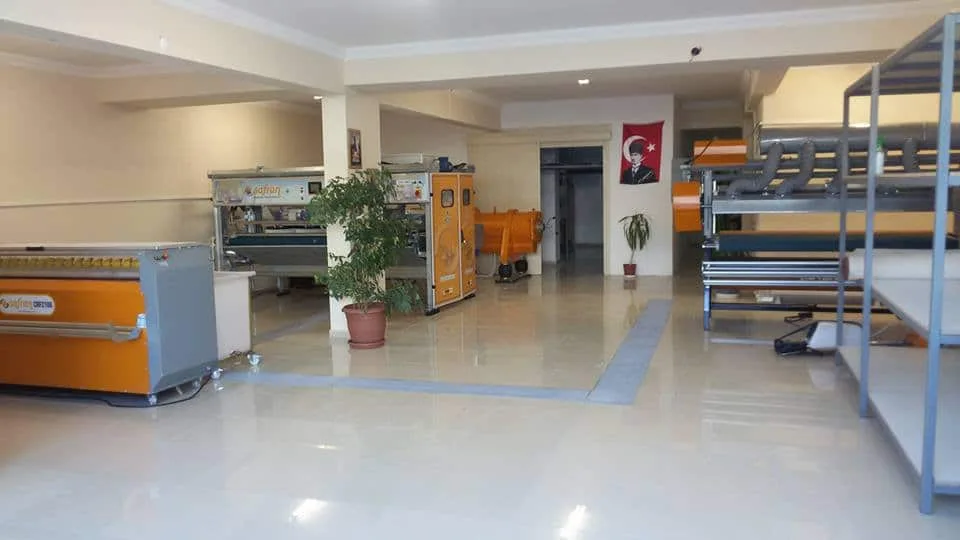
Automatic vs Manual Carpet Washing Machines
Compare automatic and manual carpet washing machines by capacity, control, labour, budget and support to choose a suitable system for your business.
Read article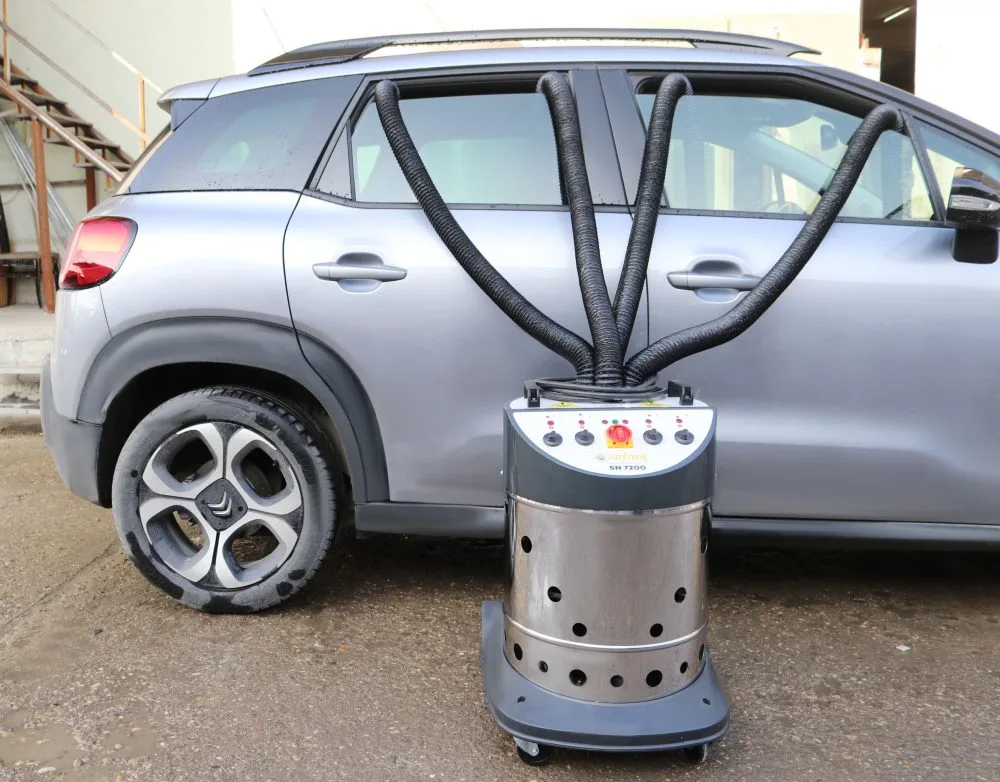
Car Wash Sets and Car Care Kits: Equipment and Price Factors
Explore car wash sets, pressure washers, automotive vacuums, polishers and care products. Check package contents and compare like-for-like prices.
Read article