
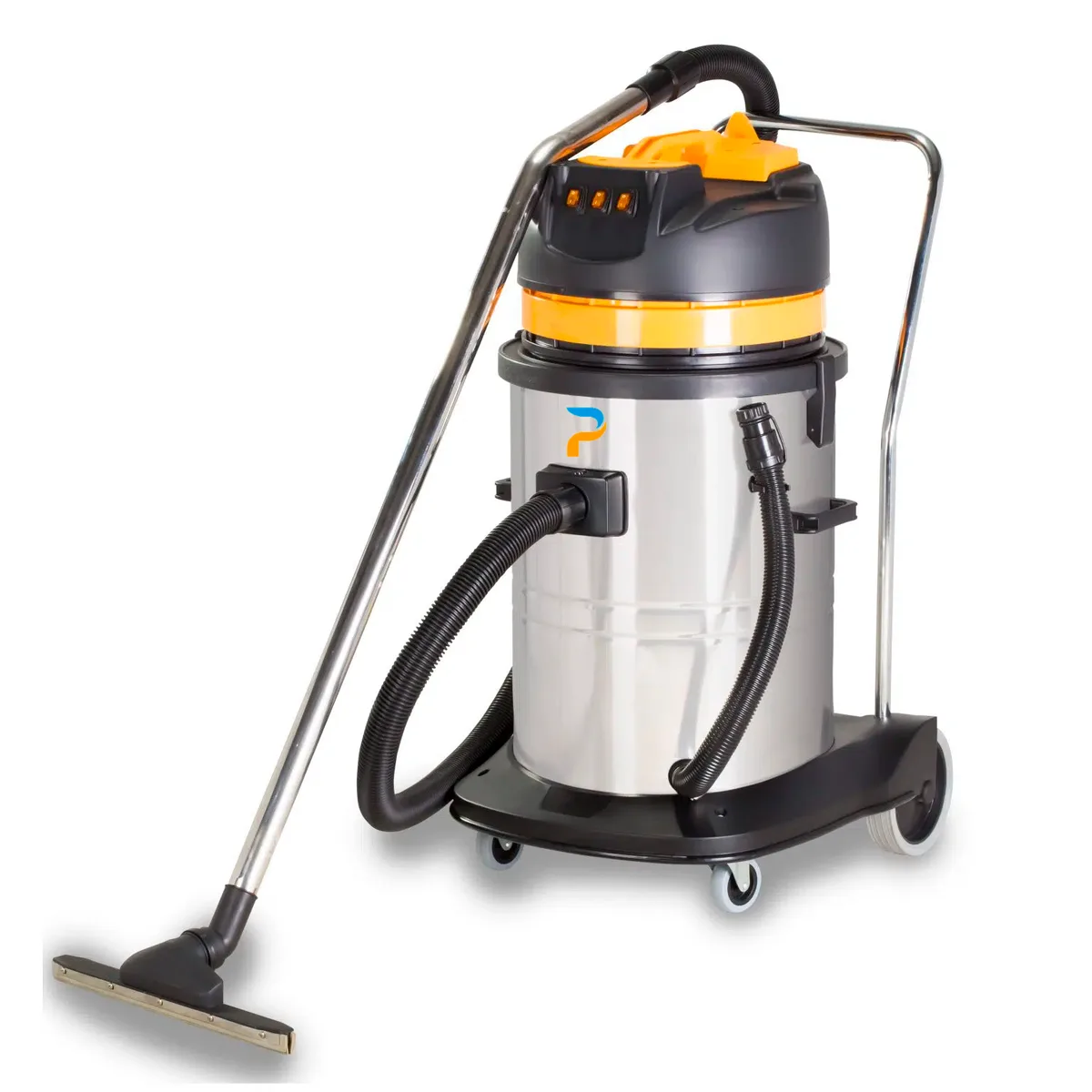
Car vacuum cleaners: cleaner interiors and everyday comfort
Keeping a vehicle clean involves more than washing its exterior. A well-maintained interior supports comfort and routine hygiene. A car vacuum cleaner helps remove the debris that builds up inside. This guide covers the main types, applications, price considerations and operating tips.
What is a car vacuum cleaner, and why use one?
A car vacuum collects dust, crumbs, sand, hair and other loose debris from vehicle interiors. Compact designs and suitable tools make it easier to reach confined areas, while professional machines offer configurations for more intensive work.
Regular interior cleaning helps reduce accumulated dirt, allergens and sources of unpleasant odours. Frequent travellers and families with children may need a particularly consistent routine. A suitable vehicle-interior vacuum makes this work more convenient.
Types of car vacuum cleaner
Different designs suit different workloads. Common configurations include:
1. Corded car vacuums
Compact corded models may connect to the vehicle's accessory socket, whereas professional equipment normally uses its specified mains supply. A cord provides a defined power source, but does not by itself guarantee high suction. Cable length and the available supply affect practical use.
2. Cordless car vacuums
Battery-powered models are convenient to move around the interior. Check usable runtime, charging time and performance with the intended tool. Some wet/dry car vacuums are cordless, but liquid pickup must be explicitly approved for the model.
3. Wet/dry car vacuums
Approved wet/dry models collect both dry debris and compatible liquid spills, such as spilled drinks or moisture around mats. For professional workloads, see industrial wet/dry vacuum cleaners.
4. Professional car wash vacuums
Machines designed for heavier workloads typically offer larger tanks and motor configurations for regular workshop use. They can support car wash and detailing operations when matched to the actual task.
Where can a car vacuum be used?
Beyond collecting general dust and crumbs, a suitable machine and attachments can help with:
- Carpets and floor mats: Removing accumulated sand, dust and loose debris from heavily used areas.
- Seats: Collecting crumbs and hair from fabric or leather using a non-damaging tool.
- Confined areas: Reaching accessible air vents, door pockets and gaps between seats.
What should you check before buying?
Consider these points when choosing a car vacuum cleaner:
1. Suction performance
Effective airflow and suction help recover sand, hair and debris. Check the complete machine's performance rather than inferring it from motor wattage alone.
2. Size, weight and handling
A manageable weight, practical hose and ergonomic tools make it easier to work inside the vehicle.
3. Wet/dry capability
A machine approved for both liquid and dry pickup offers flexibility. Follow the required filter configuration and never use a dry-only vacuum for liquid spills.
4. Noise level
Check operating noise, especially when the machine will be used frequently or close to other people.
5. Price and construction
Car vacuum prices vary with brand, design and specification. Consider durability, replacement parts and support alongside the initial price.
Car vacuum cleaner prices
The price range is broad. Main factors include:
- Brand and support: Price may reflect service access and build quality, but brand recognition alone does not establish performance.
- Technical specification: Suction performance, wet/dry approval and battery runtime can affect cost.
- Accessories: Crevice tools and other supplied attachments influence the package price.
The original article's 2025 examples were 500–1500 TL for basic models and 2000 TL or more for professional models. These are historical source figures, not current prices or an international quotation. Compare current offers for the exact specification you need.
Operating and cleaning tips
For consistent results with a vehicle-interior vacuum:
- Preparation: Remove large debris by hand before vacuuming.
- Choose the correct tool: Match the nozzle to the surface and avoid scratching trim or leather.
- Empty after use: Empty the container and clean it as instructed to maintain performance.
- Care for filters: Inspect and clean or replace filters using the manufacturer's approved method.
Frequently asked questions about car vacuums
1. What matters when buying a car vacuum?
Assess suction performance, handling, wet/dry approval, accessories and the price of the complete package.
2. Which brand should I choose?
Compare models by suitability, construction, parts and support. A familiar brand can be useful, but the specification must match your workload.
3. How much do car vacuums cost?
The original 2025 guide referred to basic models starting at 500 TL and professional models at 2000 TL or more. These figures are historical; obtain a current quote for the chosen model.
Choosing for your vehicle or business
A suitable car vacuum supports a regular interior-cleaning routine. Whether you need a compact personal-use model or equipment for a detailing business, match capacity and tools to the task.
Compare the available models and current prices before choosing. Visit the PAK Makina website for professional equipment options and help checking the specification.
Continue reading
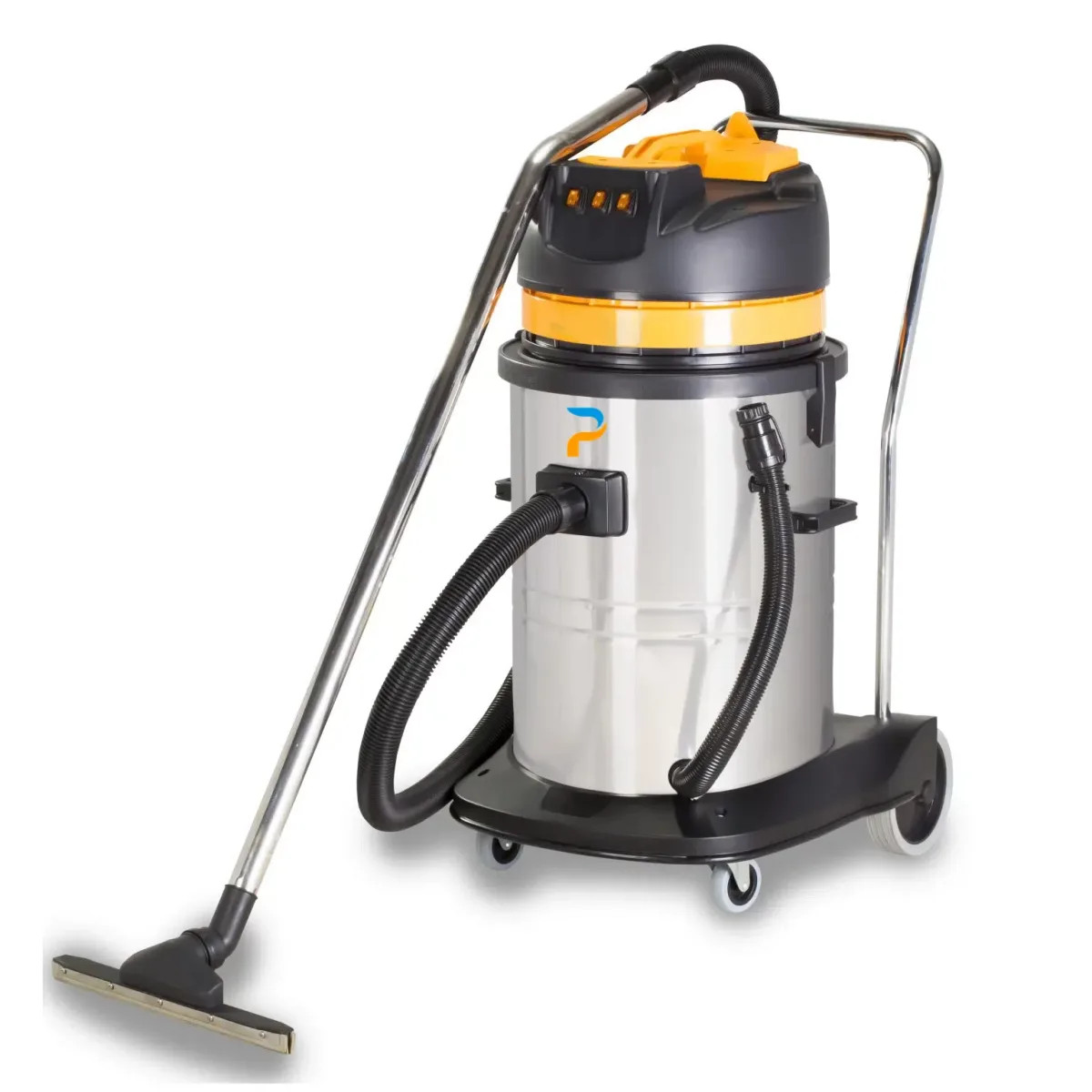
Industrial Vacuum Cleaner Prices and Model Comparison
Compare industrial vacuum prices by tank, motors, filtration and supplied accessories. Review PAK 723 models, warranty and quotation scope.
Read article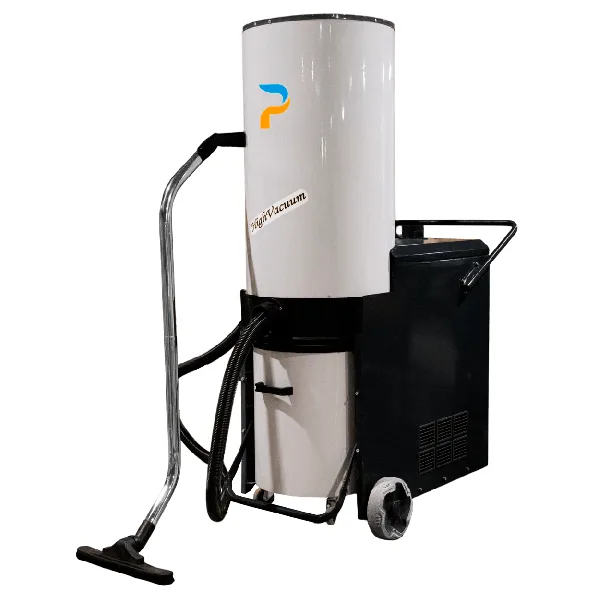
Induction-Motor Industrial Vacuums: When to Consider Them
Compare induction-motor industrial vacuums with commutator-motor designs. Check rated duty, noise, filtration, maintenance and the actual workload.
Read article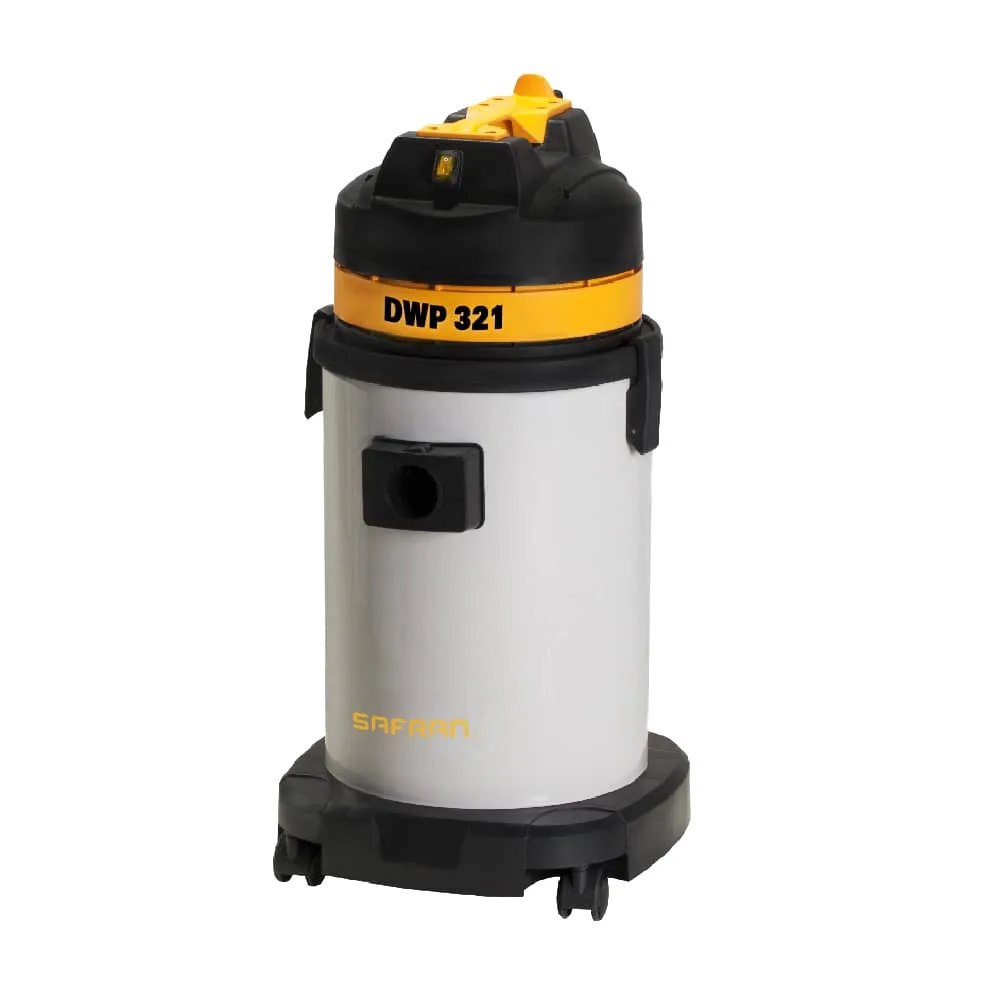
Vacuum Cleaning Options for Workshops and Garden Tasks
Choose workshop or garden vacuum equipment for the actual debris, environment and operating requirements. Check outdoor suitability, handling and noise data.
Read article